Skid Row Petition Fraud
Federal Prosecutors Charge Three in Alleged Skid Row Voter Petition Fraud Scheme
Anonymous
Key Points
1
First Assistant U.S. Attorney Bill Essayli said the defendants’ alleged actions “undermine the confidence voters have in our election systems” and that authorities would “vigorously investigate and charge anyone involved in corrupting our elections.”
2
Prosecutors have not identified which ballot initiative the allegedly fraudulent petitions were intended to qualify for. For context, a proposed California statute requires 546,651 valid signatures for the 2026 ballot, while a constitutional amendment requires 874,641.
3
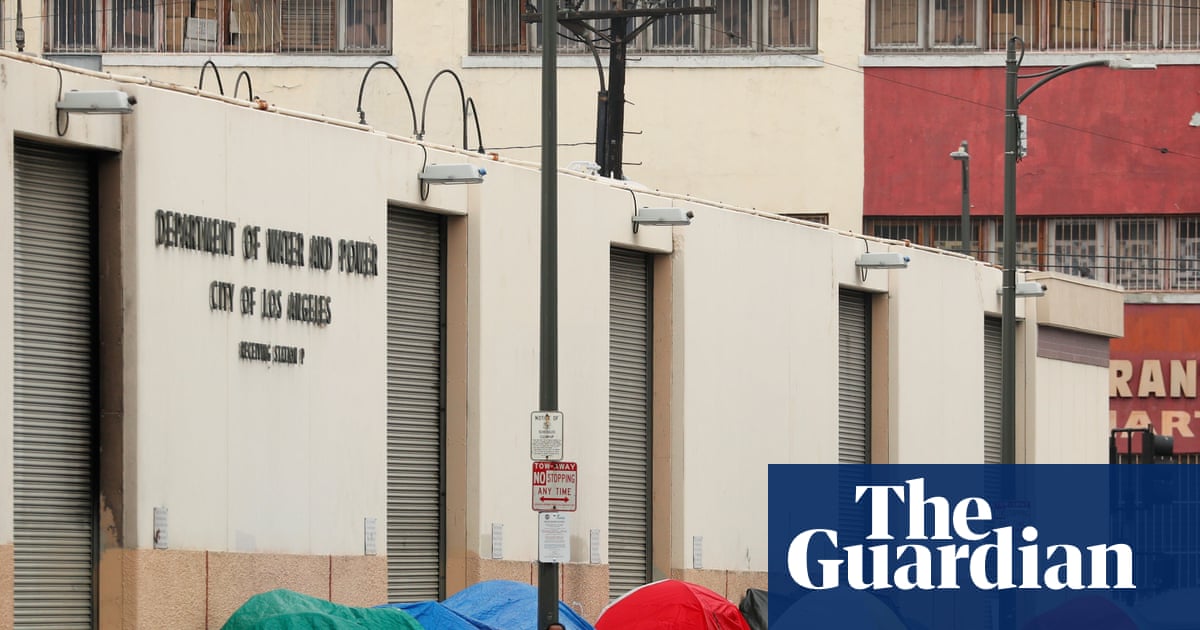
The alleged scheme was exposed after independent journalist James O’Keefe published an undercover video on March 24 showing an extensive Skid Row signature-collection operation that allegedly offered homeless residents cash.
4
Essayli said the alleged use of registered-voter information was significant because Brass was paid only when he collected a signature from a valid registered voter, according to the indictment.
5
Brass was released on a $10,000 bond after his initial appearance in Riverside, while the articles noted that it was not immediately known whether attorneys had been appointed for the defendants.
Federal prosecutors charged three California residents with a sweeping fraud scheme: using stolen voter identities to fabricate signatures on ballot-initiative petitions. Yahoo News reports that James Brass, 47, of Victorville, allegedly paid vulnerable Skid Row residents cash to copy registered voters' names and sign petitions, then submitted false declarations claiming he witnessed the signatures. Brass received approximately $41,600 from a petition-management company for the operation.
Brass and alleged co-conspirators Courtney Price and Jateisha Herron face identity-fraud charges after an undercover investigation exposed the scheme. The Guardian reports that Brass was released on a $10,000 bond following his initial court appearance in Riverside. All three defendants are presumed innocent, and prosecutors have not yet disclosed which ballot initiative the fraudulent petitions targeted.
How the Alleged Scheme Worked
Investigators say Brass and his associates obtained a database of registered California voters' personal information. Head Topics reports the defendants then paid homeless residents on Skid Row to copy voter data and sign petitions in those voters' names. Brass allegedly collected payment only when a signature matched a valid registered voter, creating financial incentive to use real names rather than fabrications.
The operation required false legal declarations. Prosecutors say Brass signed documents claiming he personally witnessed signatures being collected—a requirement under California law. The Desert Review reports this deception allowed fraudulent signatures to reach petition-management companies, which then paid Brass based on the apparent legitimacy of his submissions.
Why Forged Signatures Threaten Ballot Access
California requires enormous signature totals to place measures on the ballot. A proposed statute needs 546,651 valid signatures for the 2026 ballot, while a constitutional amendment requires 874,641. Fraudulent signatures can prevent legitimate initiatives from qualifying for the ballot—distorting which issues voters can consider, even if election results themselves remain accurate.
Prosecutors said the alleged use of registered-voter data was particularly significant because it made fake signatures harder to detect. The Guardian notes that First Assistant U.S. Attorney Bill Essayli warned the scheme "undermines the confidence voters have in our election systems" and pledged authorities would "vigorously investigate and charge anyone involved in corrupting our elections."
An Undercover Investigation Exposed the Operation
The alleged fraud came to light after independent journalist James O'Keefe published undercover video on March 24 showing an extensive Skid Row signature-collection operation. Head Topics reports the video documented homeless residents being offered cash to sign petitions—revealing the operation's scale and methods to law enforcement and the public.
The case is part of a broader federal crackdown on alleged election fraud in California. Brass pleaded not guilty and was released on bond. It remains unclear whether public defenders have been appointed to represent Brass, Price, and Herron, all of whom are presumed innocent.
Sentiment
Mostly NegativeNEGATIVENEUTRALPOSITIVE
Publishers
18
Articles
13
Reach
31
A
AnonymousAuthor


