AI Earth Misuse
Google Halts AI Image Feature in Earth After Users Create Misleading Content, Plans Stronger Safeguards
Anonymous
Key Points
1
The AI model powering the Google Earth tool is Nano Banana 2, as disclosed by multiple outlets reporting on the rollback.
2
One of the most publicized fabricated images depicted a plane crashing into the One World Trade Center in New York, highlighting the potential for harmful mis/disinformation on a trusted platform.
3
Other notable fabricated scenes circulated by users included an Eiffel Tower collapse and the Great Pyramid of Giza being swallowed by a sinkhole, underscoring the breadth of possible misuse.
4
Google highlighted legitimate use cases for the feature, such as visualizing historical sites, creating educational infographics, aiding architectural and urban-planning proposals, and supporting real estate pitches; access was via the Google Earth web prompt 'Create image' after zooming to a location.
Google pulled its new AI image tool from Google Earth less than 24 hours after launching it worldwide, on July 31, 2026 Yahoo Tech. The feature let users type a prompt and drop a photorealistic AI-generated scene onto any real location on Earth. Within hours, users had created fakes showing a plane hitting One World Trade Center, the Eiffel Tower in ruins, and a nuclear facility in Iran.
Google confirmed the rollback on its official X account, saying it had seen "generated imagery that appear to violate our policies" and was suspending the tool "while we work on implementing stronger guardrails" AOL. The company says it plans to bring the feature back later, with stronger protections in place.
Fake Disasters Went Viral Within Hours of Launch
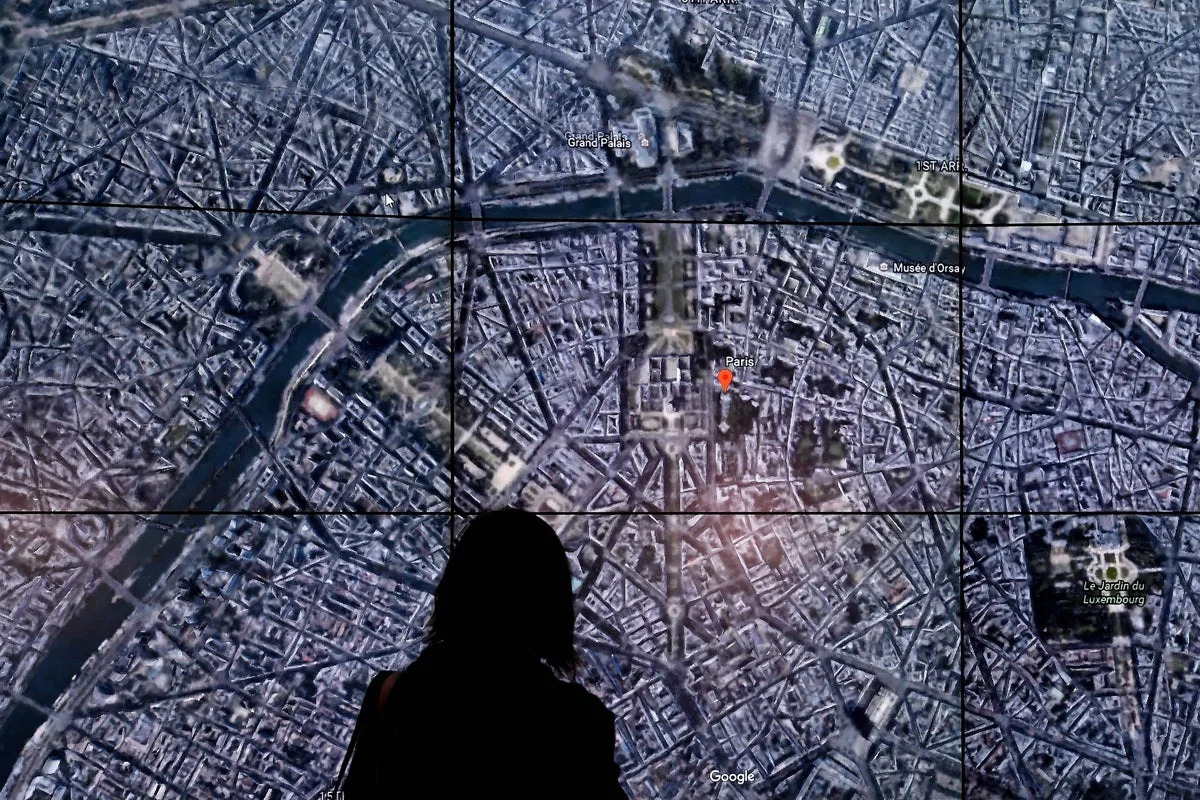
The "Create image" tool launched July 30, 2026. Users zoomed to any spot on Earth, clicked "Create image," and typed what they wanted to see. The AI model, called Nano Banana 2, would then paint a fake scene over real satellite terrain, complete with matching roads, lighting, and scale Yahoo Tech.
Dutch researcher Henk van Ess posted images on X that racked up over 3.22 million views in hours. He had generated a fake Iranian nuclear plant, a refugee camp at the US-Mexico border, and a Gaza hospital with a bomb crater. He warned, "The forgery does not have to look convincing on its own. It inherits the credibility of the map it was born on." Other users shared a fabricated plane crashing into One World Trade Center and the Great Pyramid of Giza swallowed by a sinkhole AOL.
Google's Watermark Defense Fell Apart Under Testing
Google initially said the tool was safe because every image carried a SynthID watermark — an invisible tag baked into the pixels. The company said users could check any screenshot by running it through Google Lens. But investigators quickly poked holes in that defense Yahoo Tech.
BBC Verify found it could trick Gemini into certifying a fabricated Google Earth image as genuine. Researchers also found that Google's content filters were easy to bypass by using slightly vague language. Brady Africk of the American Enterprise Institute noted the core problem: "Few people check whether an image is AI-generated as they scroll past or share it." A fake image spreads in seconds. Verification takes minutes most people won't spend AOL.
Satellite Imagery's Reputation as Ground Truth Now at Risk
Satellite and aerial photos have long been treated as hard evidence — used in war crimes investigations, disaster relief, and journalism. Because getting a real satellite into orbit is expensive and complex, overhead images carried a built-in trust that text or regular photos don't Yahoo Finance CA.
Nathaniel Raymond, director of Yale's Humanitarian Research Lab, called Nano Banana 2 a "sum of all fears level spoofing" tool for satellite data. Experts warned of a second-order problem: once the public knows that map-level fakes exist, bad actors can dismiss real satellite evidence of atrocities as "just AI." The tool was live for less than 24 hours, but security researchers say the damage to public trust in overhead imagery will last much longer Yahoo Finance UK.
Google Plans a Return, But Has No Timeline Yet
Google has not said when the feature will come back. The company confirmed it is rebuilding the tool's safety layer before any reintroduction. Product Manager Bryan Horowitz had launched the feature by urging users to "let your imagination run wild" — a phrase that aged poorly within a single news cycle Yahoo News CA.
This is not Google's first rushed AI rollout. In February 2024, the company paused Gemini's image tool after it generated historically inaccurate photos. The Google Earth incident follows the same pattern: ship fast, face backlash, retreat. The rollback also comes just before the EU AI Act's Article 50 takes effect, which sets strict rules on labeling and liability for AI-generated fakes AOL.
Sentiment
Mostly NegativeNEGATIVENEUTRALPOSITIVE
Publishers
43
Articles
48
Reach
91
A
AnonymousAuthor