Mastering Mortgage Refinancing
Real-World Experiences: Homeowners Reveal Key Lessons from Refinancing Their Mortgages
Anonymous
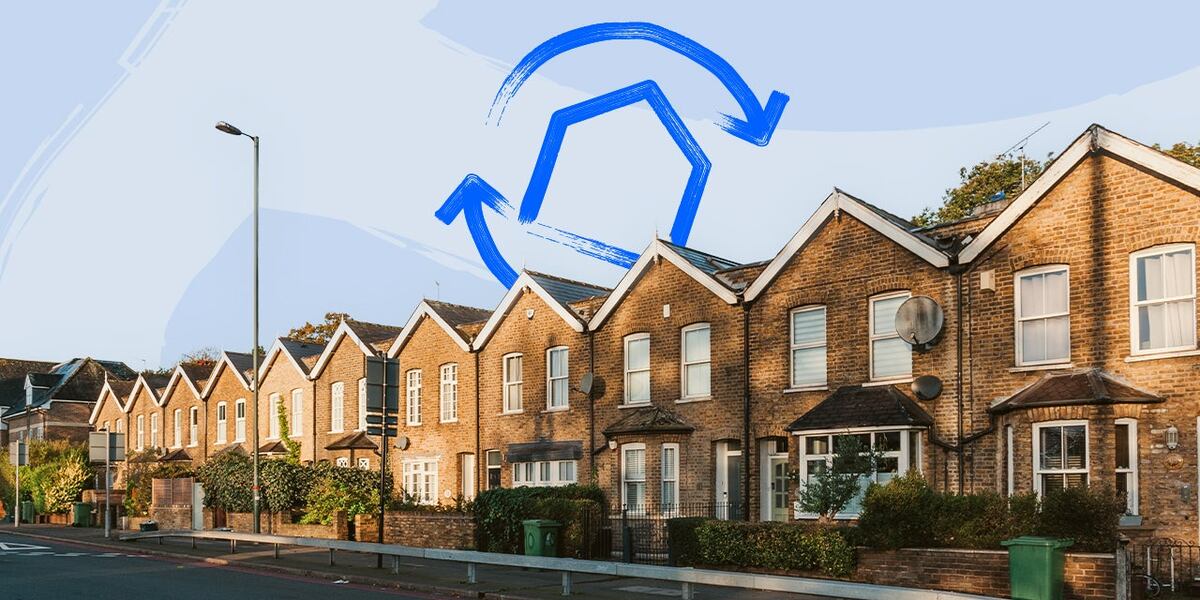
Refinancing a mortgage can save homeowners thousands of dollars — but only if done right. Experts say the math works best when you can cut your interest rate by at least 0.75 to 1 full percentage point, according to Hawaii News Now.
Three real homeowners completed six refinances between them, offering hard-won lessons on timing, costs, and avoiding common traps. Their experiences show what works — and what can quietly cost you money.
The 1% Rule That Guides Smart Refinancing Decisions
Naomi Peden, a HUD-certified housing counselor at Money Management International, has a clear benchmark. She recommends refinancing only when you'll drop at least 1 full percentage point off your rate. That threshold helps make sure the savings outweigh the closing costs, according to Fox Carolina.
Closing costs are fees paid upfront to complete the new loan. They typically run thousands of dollars. If your rate drop is too small, those costs can eat up your savings before you break even. The break-even point is how long it takes for monthly savings to cover those upfront fees.
Lauren Miller Refinanced Twice in Two Years and Came Out Ahead
Lauren Miller, a 39-year-old personal finance content creator and stay-at-home mom, didn't wait for a perfect moment. She refinanced twice as mortgage rates gradually eased, locking in savings at each step, according to WDAM.
Her strategy shows that refinancing more than once can make sense — if the numbers work each time. Each refinance was its own calculation. She weighed the new rate, the closing costs, and how long she planned to stay in the home before pulling the trigger.
How One Homeowner Locked In a Sub-2% Rate and Kept Her Timeline
Tara Alderete, a director at a nonprofit, faced a common fear: refinancing would reset her 30-year loan clock. She solved it by refinancing into a 15-year loan at a sub-2% interest rate, according to KXII. That move slashed her rate and kept her on track to pay off her home faster.
Her choice shows a key lesson. A lower rate alone isn't the only goal. The loan term — how many years you have left — also shapes your total cost. Resetting to 30 years at a lower rate can sometimes cost more in interest over time than it saves each month.
Key Pitfalls That Can Turn a Good Deal Into a Costly Mistake
The biggest trap is overpaying without realizing it. Homeowners can miss hidden fees buried in loan paperwork. Shopping multiple lenders is one of the best ways to avoid this, according to Fox 10. Even a small difference in closing cost estimates can mean hundreds of dollars lost.
Experts also warn against focusing only on the monthly payment. A lower payment that stretches over more years can mean paying far more interest in total. The full picture — rate, term, and closing costs — all need to line up before refinancing truly makes sense, KLTV reported.
Sentiment
NeutralNEGATIVENEUTRALPOSITIVE
Publishers
16
Articles
16
Reach
16
A
AnonymousAuthor