Manage stress, not cortisol.
Doctor recommends stress management over cortisol 'hacks,' advises seeing a provider.
Anonymous
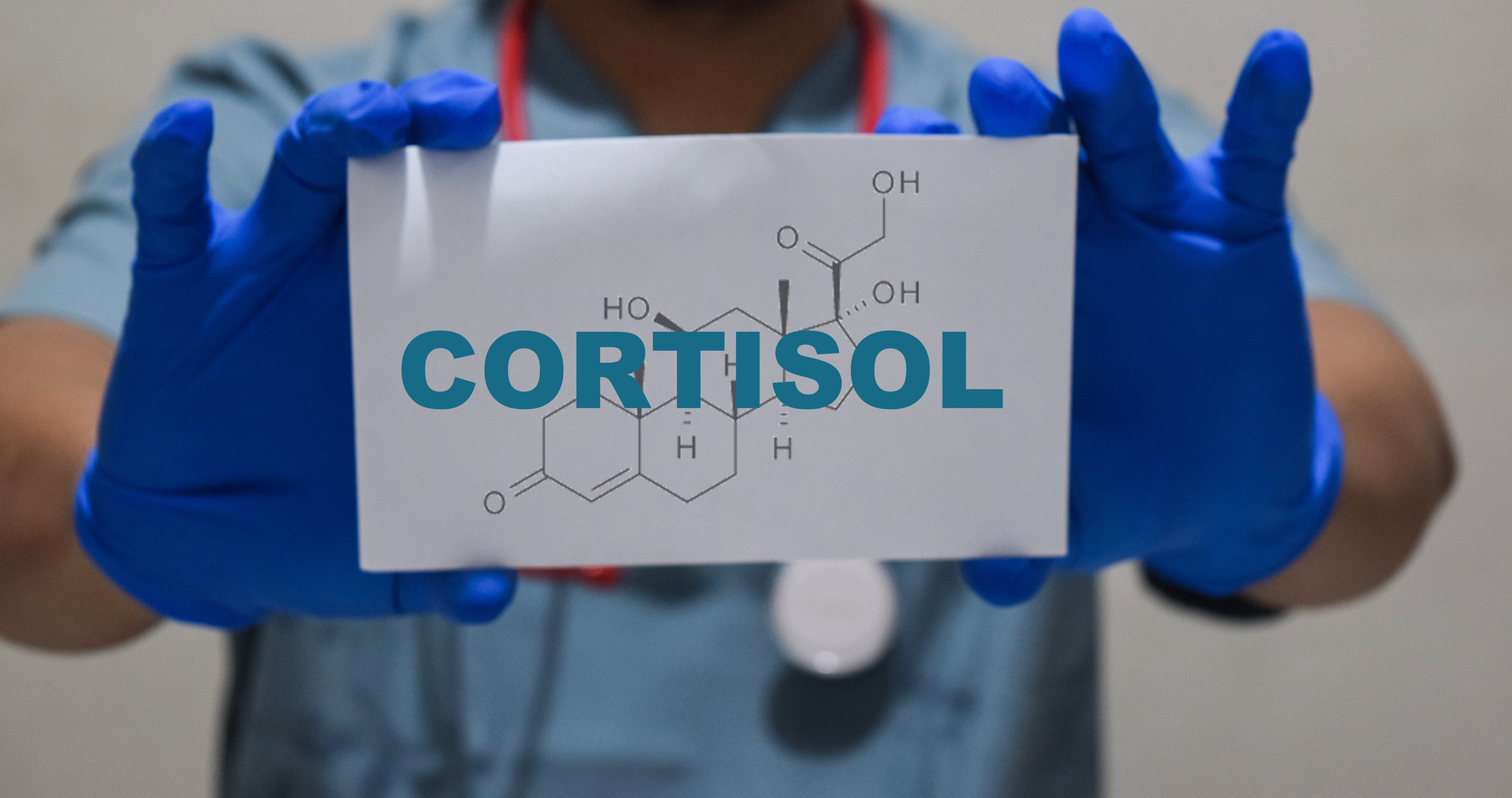
A doctor is pushing back on a growing social media trend that blames high cortisol for everything from bloating to bad sleep. Dr. Akshay Syal, an internal medicine physician and NBC News medical reporter, says people should stop chasing unverified hacks and focus on real stress management instead, according to NBC Connecticut.
Cortisol is the body's main stress hormone. It is normal and necessary. But online, many people claim that high cortisol is secretly behind dozens of vague symptoms — a claim doctors say is mostly overblown, NBC Chicago reported.
What High Cortisol Actually Looks Like Medically
True, diagnosable high cortisol is called Cushing's syndrome. It is extremely rare. Only 10 to 15 people out of every 1 million are diagnosed with it each year, according to NBC Philadelphia. Symptoms include significant weight gain, a round face, and visible skin changes — not just tiredness or a bloated belly.
Most people who worry about high cortisol do not have Cushing's syndrome. Dr. Syal says that self-diagnosing based on social media content is not a reliable approach. If you have real concerns, he says, talk to a health care provider first, NBC Washington reported.
Skip the Hacks — Here's What the Doctor Actually Recommends
Dr. Syal says the answer is not a supplement or a breathing trick you saw online. His first recommendation is simple: find a stress-reducing hobby. Something you enjoy that pulls your attention away from daily pressure. That alone can lower chronic stress, NBC Bay Area reported.
He also recommends journaling as a practical tool. Writing down thoughts and worries can help people process stress rather than let it build. Both habits are free, accessible, and backed by real evidence — unlike many of the cortisol "fixes" spreading online, according to NBC Miami.
Why the Cortisol Panic Is Spreading — and Why It's Mostly Noise
Social media has turned cortisol into a buzzword. Creators link it to fatigue, belly fat, brain fog, and poor sleep. The problem is that these symptoms have many causes. Blaming cortisol without a medical test is guesswork, NBC DFW reported.
Dr. Syal's broader message is clear: do not let online trends replace a real conversation with your doctor. Chasing unverified hacks wastes time and money. Managing stress through proven habits is a better use of both, according to NBC Boston.
When to Actually See a Doctor About Your Symptoms
If you are experiencing ongoing fatigue, weight gain, or sleep problems, those symptoms are worth discussing with a health care provider. But the conversation should start with your actual symptoms — not with a self-diagnosis of high cortisol pulled from a video, NBC San Diego reported.
Dr. Syal's advice is straightforward. Stress is real, and it does affect the body. But the solution is managing stress itself — not obsessing over a hormone number. A doctor can run proper tests if something more serious is suspected, according to NBC Chicago.
Sentiment
NeutralNEGATIVENEUTRALPOSITIVE
Publishers
9
Articles
8
Reach
9
A
AnonymousAuthor


