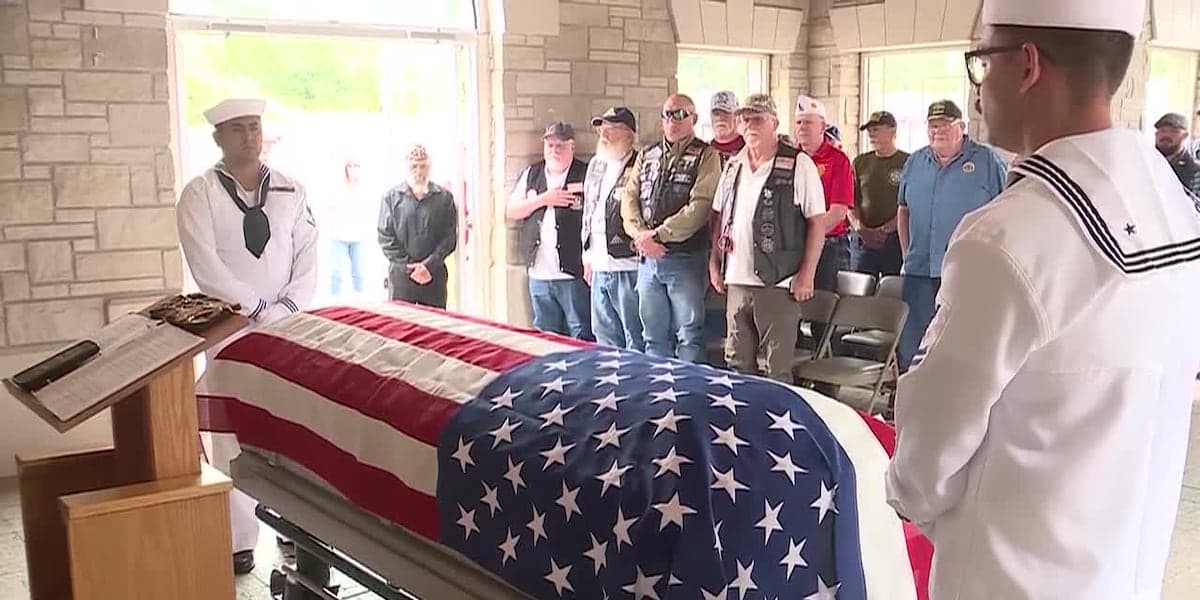
WWII Letters Sold for Family
Disabled Marine Veteran Forced to Sell Rare WWII Letter Archive to Support Family
Anonymous
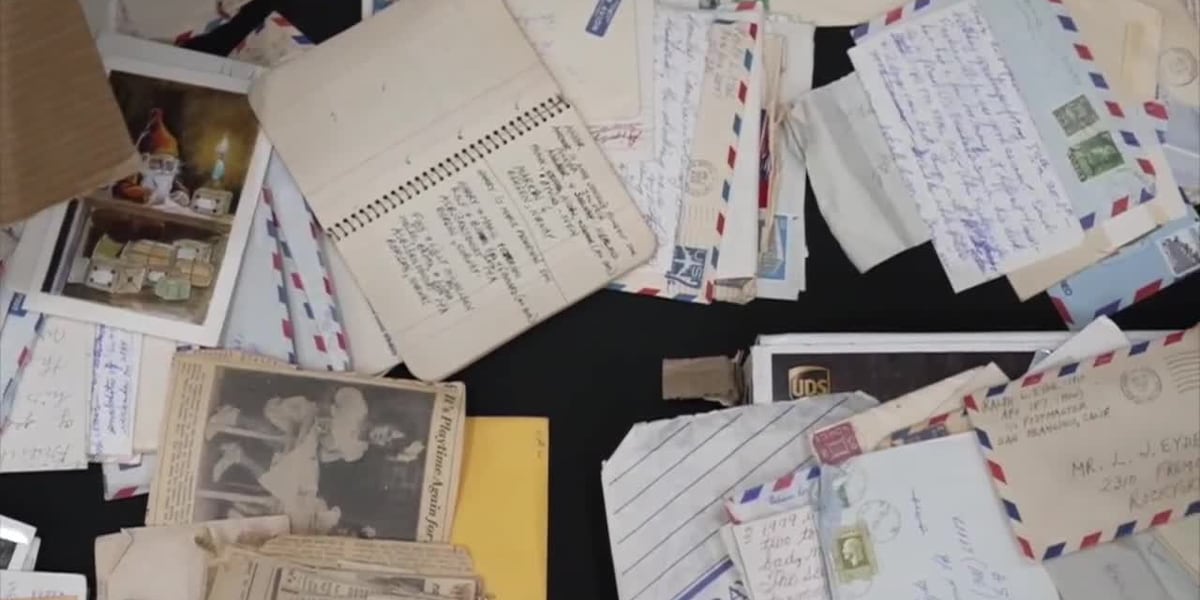
Joe Alosi, a 100% disabled Marine veteran, is selling a rare archive of over 1,000 handwritten World War II letters to pay for his family's medical bills and living expenses. WMTV15 reports that Alosi discovered the letters in a storage unit he bought over a decade ago. The collection tells the stories of four brothers—Frank, Ralph, John, and Sanford Eyde from Illinois—who served in the military during World War II. Now Alosi is facing mounting costs: his daughter is battling possible bone marrow cancer, he cares for three grandchildren, and his own health struggles prevent him from working.
Alosi has stated he is "not looking to get rich" but hopes to find a buyer who will preserve the brothers' legacy and keep the letters together. The Washington Post first featured the archive in 2017, publishing a major investigation and podcast series called "Letters from War" that explored the soldiers' combat experiences across the South Pacific and Alaska. The sale highlights a painful reality: a veteran who spent over 10 years protecting this historical treasure is now forced to part with it.
How Alosi Found 1,000 Letters in an Abandoned Storage Unit
In the mid-2010s, Alosi purchased an abandoned storage locker in Mesa, Arizona, sight unseen. Inside, he discovered an extraordinary collection: over 1,000 handwritten letters spanning 1941 to 1945. The letters detailed the wartime lives of the Eyde brothers as they served in different military branches. WVVA notes Alosi recognized the historical value and spent years researching and preserving the archive with help from Marine Corps and Army historians.
Rather than sell immediately for profit, Alosi contacted news organizations and military historians to document the collection's significance. Production companies connected to major Hollywood directors expressed interest in adapting the archive into a film or series. For over a decade, Alosi kept the letters safe and accessible to researchers, acting as a steward of this piece of American military history.
Family Crises Mount as Medical Debt Piles Up
Alosi's situation has worsened in recent years. His daughter is facing possible bone marrow cancer treatment. He is raising three grandchildren. His own 100% disability status means he cannot work to earn additional income. 21Alive News reports these mounting pressures—medical bills, childcare costs, and living expenses—have become unbearable without new sources of money.
The painful choice to sell the archive reflects gaps in veteran support systems. WVVA notes that despite his service and disability rating, Alosi lacks the financial cushion to handle a family health crisis. By selling the collection he has guarded for a decade, Alosi hopes to ease the immediate burden on his family while keeping the letters together for historical preservation.
Questions About Veterans' Safety Nets and Preservation
Alosi's story has drawn attention from elected officials and the public. U.S. Representative Andy Biggs publicized Alosi's situation to highlight systemic problems in veteran care. Many ask: Why should a 100% disabled veteran liquidate historical artifacts to support his family? The case raises broader questions about VA benefits, community care authorization delays, and financial assistance for veteran dependents.
The archive's future also concerns historians. Vicki Venhuizen, a cousin of the Eyde brothers, told The Washington Post that the ideal outcome would be the letters landing in a World War II museum. The Washington Post notes that if a private collector buys the archive, public access to these soldier stories could be restricted. The sale forces a choice between preserving a veteran's financial survival and preserving public access to a crucial historical record.
Sentiment
NeutralNEGATIVENEUTRALPOSITIVE
Publishers
41
Articles
41
Reach
41
A
AnonymousAuthor