Taiwan Manufacturing PMI Growth
Taiwan manufacturing PMI shows positive growth amid changing global economic conditions.
Anonymous
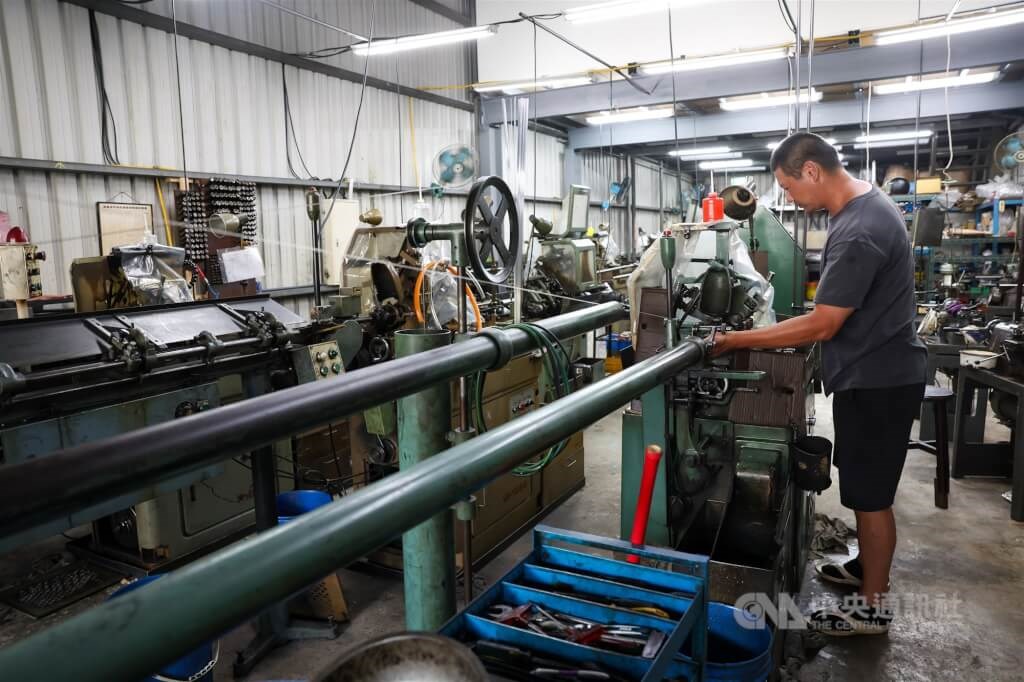
Taiwan's manufacturing sector hit its fastest expansion in five years during September 2026, driven by surging global demand for artificial intelligence chips and hardware. The Chung-Hua Institution for Economic Research (CIER) reported the manufacturing PMI rose to 63.4, while S&P Global recorded a reading of 56.7. Both surveys mark Taiwan's strongest performance since 2021, as companies rush to fill record orders from AI server manufacturers worldwide.
AI Boom Drives Record Factory Orders
Taiwan's electronics and chip makers are experiencing unprecedented demand. The Electrical & Machinery Equipment sector recorded a PMI of 64.4 in September. The Electronics & Optical Industry hit 62.6, the core engine behind Taiwan's export surge. CIER leadership stated that actual AI demand remains remarkably strong with no current indicators of an AI bubble. This contrasts sharply with market skepticism about whether the tech boom will last.
Supply Shortages Squeeze Factory Margins
Despite strong orders, Taiwan's manufacturers face mounting pressures. Input costs hit their highest levels since early 2022, squeezing profit margins. Supply delays have worsened as companies struggle with High Bandwidth Memory shortages and advanced packaging bottlenecks. SMIT consultant Jerry Pai noted the sector is "on a high plateau," meaning growth momentum is slowing in specific categories even as overall demand remains robust. Supplier delivery times have deteriorated across the board.
Global Manufacturing Acceleration Mirrors Taiwan's Strength
Taiwan is not alone in its manufacturing rebound. The US Manufacturing PMI reached 55.9 in September, the strongest since May 2022. livemint reported that India's manufacturing index hit 55.1, a 7-month high. Reuters data shows the eurozone factory growth accelerated to its fastest rate in over four years. This synchronized global expansion reflects the worldwide rush to build AI infrastructure and deploy next-generation computing hardware.
GDP Gains Expected but Cost Risks Loom
Taiwan's accelerating production is boosting quarterly GDP performance and prompting upward revisions to growth forecasts. However, rising input costs and supply constraints pose risks. Analysts warn that component shortages could force producers to pass costs to consumers, potentially extending product replacement cycles and slowing future demand. The 63.4 PMI reading reflects explosive momentum, but supply bottlenecks may limit how long the boom can sustain at current levels.
Sentiment
Mostly PositiveNEGATIVENEUTRALPOSITIVE
Publishers
39
Articles
230
Reach
269
A
AnonymousAuthor


