Confusing Care Labels
Study Warns Overly Broad Neurodivergence Terms Risk Confusing Patient Care
Anonymous
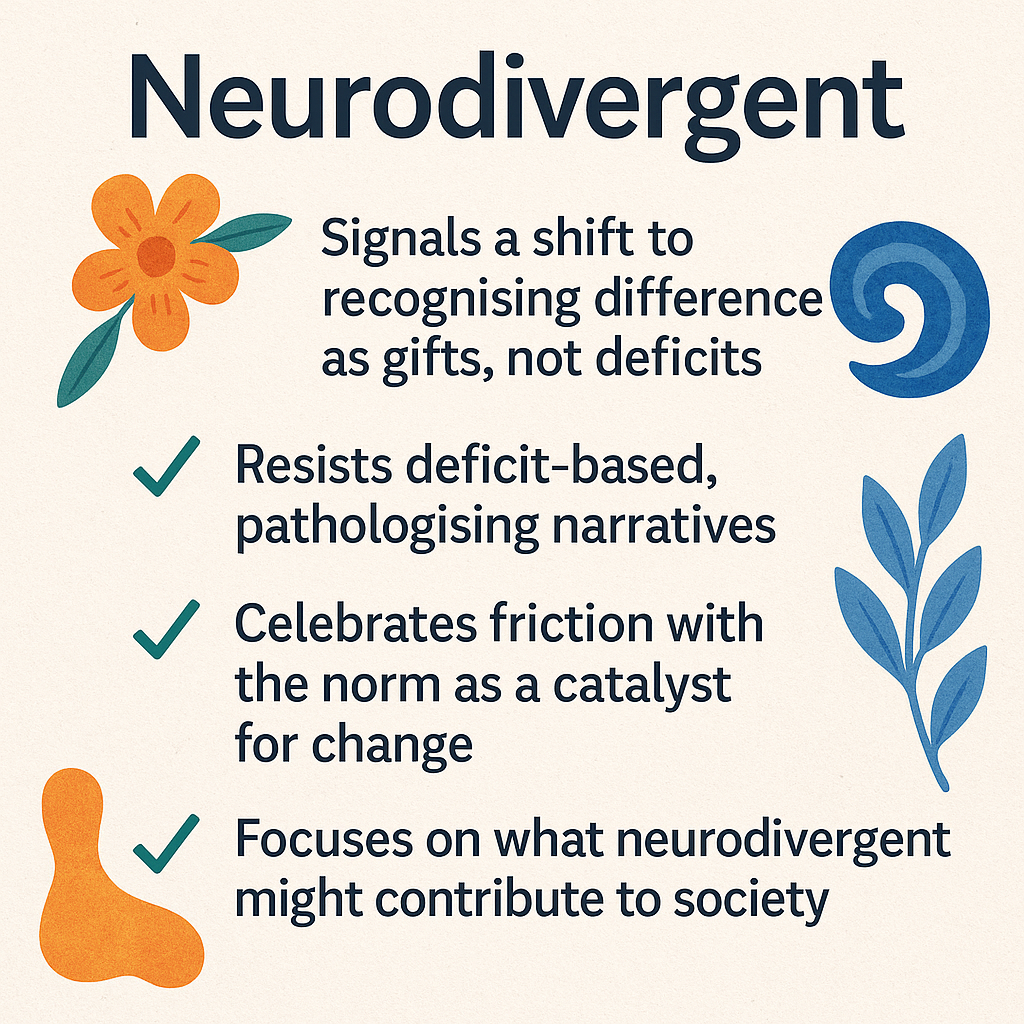
Researchers warn that inconsistent or overly broad use of “neurodivergent” and “neurodiversity” can blur meaningful differences among conditions such as autism, ADHD and dyslexia, potentially complicating research and leading to one-size-fits-all support in schools, clinics and workplaces. A University of Southampton review of 134 studies found that “neurodivergence” was applied to more than a dozen clinical and psychiatric diagnoses, while one in five studies did not define the term or link it to a specific diagnosis. The researchers say inclusive, neuro-affirming language can help people describe shared experiences and systemic barriers, including while awaiting assessment, but broad labels should not obscure individual needs. Other British experts have separately cautioned that casual, nonclinical use of the term could divert limited resources from children with diagnosed conditions, amid sharply rising ADHD and autism diagnoses. Disability and neurodiversity advocates, however, generally describe neurodivergence as an identity or umbrella concept that does not require a formal medical diagnosis, underscoring the need to distinguish personal self-description from clinical assessment.
Key Points
1
The reviewed studies applied “neurodivergence” not only to autism, ADHD and dyslexia, but also to psychiatric conditions such as depression and anxiety, as well as neurological disorders—further illustrating the breadth of the inconsistency.
2
Researchers stress that “neurodiversity” and “neurodivergent” should not be used interchangeably: neurodiversity describes variation across the population, while neurodivergent describes an individual whose brain functions differently from what is considered typical. Thus, phrases such as “a child with neurodiversity” are inaccurate.
3
The language has roots in the late-1990s disability and autism-rights movement: Australian sociologist Judy Singer is widely credited with introducing “neurodiversity,” while autism-rights activist Kassiane Asasumas coined “neurodivergent” and “neurodivergence” around 2000.
4
The term is not itself a medical diagnosis, and some people use it to describe how they focus, process information or experience the world even without a formal diagnosis of a condition covered by the umbrella term.
Sentiment
Mostly NegativeNEGATIVENEUTRALPOSITIVE
Publishers
5
Articles
36
Reach
41
A
AnonymousAuthor


