Canada-US Tariff Negotiations
Canada and US Accelerate Trade Negotiations Ahead of Imminent Tariffs
Anonymous
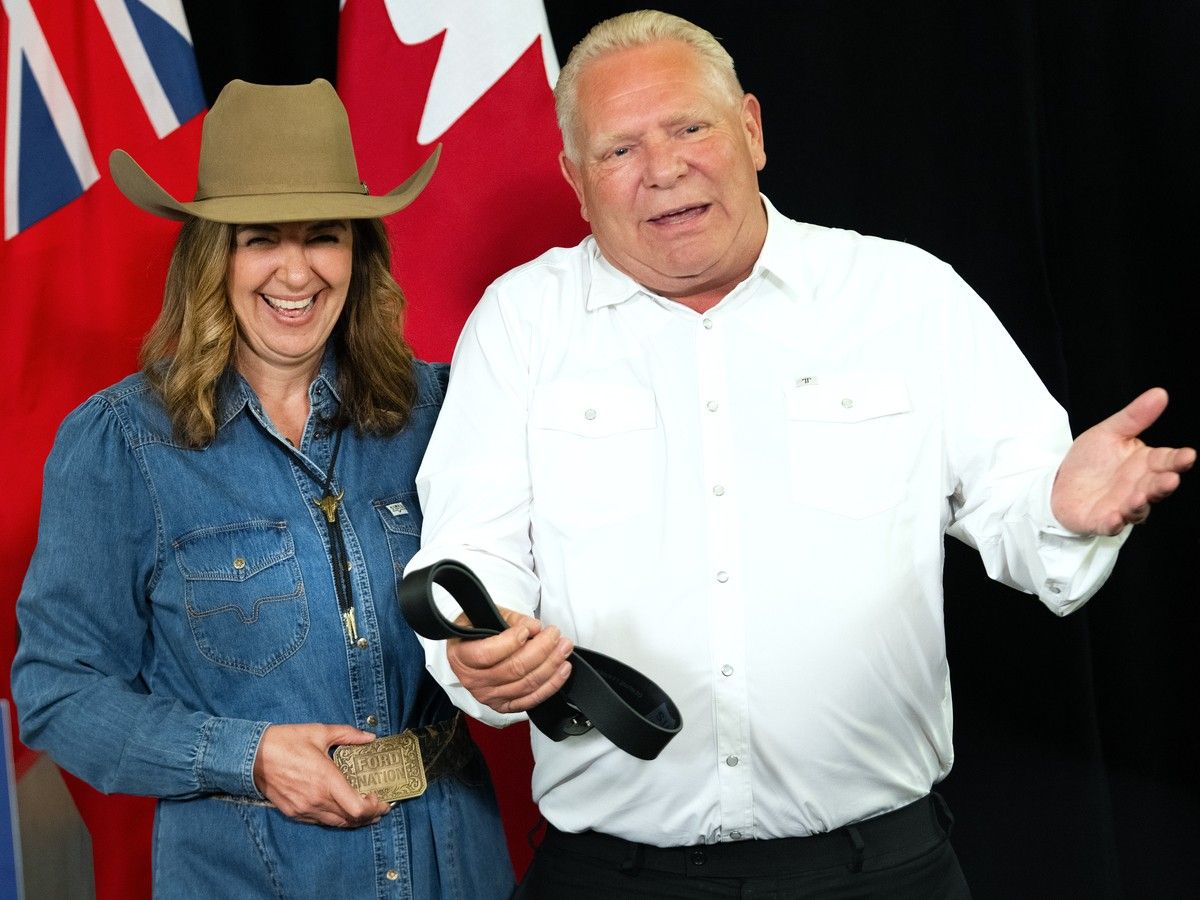
The United States has announced plans to hit a wide range of Canadian goods with a 50% tariff, citing what it calls Canada's unfair trade practices. The tariffs would be imposed under Section 338 of the Tariff Act of 1930, a rarely used trade law, according to Calgary Herald and Ottawa Citizen.
In response, Prime Minister Mark Carney and U.S. President Donald Trump have agreed to speed up negotiations before the tariffs take effect. Trade analysts are now urging Canada's provincial premiers to step back and let the federal government negotiate without interference, The Province reported.
Trade Talks Intensify as 50% Tariff Deadline Looms
Canada's Trade Minister Dominic LeBlanc and Chief Trade Negotiator Janice Charette have already sat down with U.S. Trade Representative Jamieson Greer. Greer has said he hopes to reach "interim" agreements with both Canada and Mexico separately by the end of 2026, according to Edmonton Journal.
Bigger issues — like rules of origin under the Canada-United States-Mexico Agreement, known as CUSMA — are not expected to be tackled until 2027. CUSMA rules of origin determine which goods qualify for tariff-free trade between the three countries. The timeline signals these talks will stretch well beyond a quick fix, Sault Star reported.
Analysts Warn Premier Interference Could Weaken Canada's Hand
Trade analysts are sending a clear message to Canada's premiers: back off. Experts say the federal government needs room to make tough concessions and push back hard without being boxed in by competing demands from provinces. A divided Canadian front would give the U.S. a bargaining advantage, according to Calgary Herald.
The concern is that premiers pushing their own agendas — whether on retaliation or concessions — could undermine federal negotiators at a critical moment. Analysts say Canada's best shot at a good deal is a united, federally led approach, Ottawa Citizen reported.
Premiers Push Back with Their Own Demands and Strategies
Not all premiers are ready to sit quietly. Quebec Premier Christine Fréchette has called for provinces to have a direct seat at the negotiating table. Meanwhile, B.C. Premier David Eby and Ontario Premier Doug Ford have floated their own ideas about how Canada should retaliate against U.S. tariffs, according to The Sudbury Star.
Ford and Eby lead two of Canada's biggest trade-exposed provinces. Ontario's auto sector and B.C.'s resource industries would feel a 50% tariff hard and fast. Their push for input reflects real economic stakes at home, Brantford Expositor noted.
What Comes Next in Canada-U.S. Trade Negotiations
The Carney government is now navigating one of the most complex trade fights in Canadian history. Any interim deal struck by end of 2026 would likely cover only the most urgent irritants, leaving deeper CUSMA reforms for a later round of talks, Stratford Beacon Herald reported.
For now, the pressure is on both sides of the border. Canada must decide how hard to push back — and how much the premiers will let Ottawa lead. The coming months will test whether Canada can speak with one voice when the stakes are highest, according to Shoreline Beacon.
Sentiment
NeutralNEGATIVENEUTRALPOSITIVE
Publishers
14
Articles
13
Reach
14
A
AnonymousAuthor


