Havana's Daily Blackouts
Havana Residents Adapt to Prolonged Blackouts Caused by Failing Infrastructure and U.S. Embargo
Anonymous
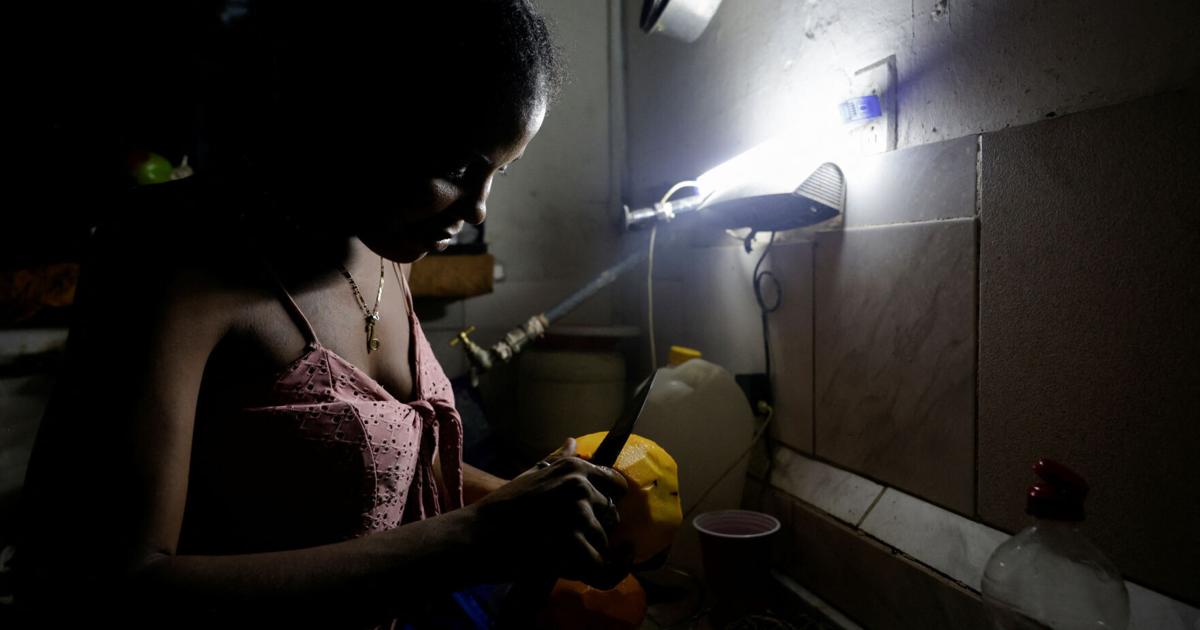
Residents of Havana's crowded tenement buildings are living through some of the longest blackouts in recent Cuban history, according to Missoulian. Power cuts now stretch for more than 20 hours a day in some neighborhoods, leaving families without lights, refrigeration, or running water pumps.
Cuba's power grid is collapsing under two compounding pressures: decades of crumbling infrastructure and a U.S. oil embargo that has choked off fuel supplies to the island's aging power plants, Tulsa World reported. The result is a daily crisis that has fundamentally changed how ordinary Cubans live.
Daily Life Grinds to a Halt Without Power
Inside Havana's tenement blocks, the blackouts dictate every routine. Families cook meals on makeshift charcoal stoves in hallways. Food spoils within hours. Elderly residents climb dark stairwells with no elevator power, according to Buffalo News. Children do homework by candlelight or not at all.
Water is a separate crisis. Most apartment buildings rely on electric pumps to push water to upper floors. When the power goes out, so does the tap. Residents carry buckets from ground-level cisterns, Billings Gazette reported. Some families store water in bathtubs during the brief windows when electricity returns.
Aging Power Plants and an Oil Embargo Fuel the Crisis
Cuba's electricity system was built largely in the Soviet era. Many of its power plants are more than 40 years old and badly in need of repair. The Cuban government has struggled to find parts and fuel to keep them running, Fredericksburg reported.
The U.S. embargo restricts Cuba's access to oil on global markets, making it harder and more expensive for the island to secure fuel. Venezuela, once Cuba's main oil supplier, has cut back shipments as its own economy has deteriorated. The combination has left Cuba's grid running far below what the country needs, according to Greensboro.
Residents Cope, Improvise, and Consider Leaving
Many Havana residents have rigged solar panels or small generators to survive the outages. Those who can afford it buy inverters — devices that store power and release it during blackouts. But these cost hundreds of dollars, far beyond the reach of most Cubans who earn state salaries of under $20 a month, Dothan Eagle reported.
For others, the blackouts are the final push toward emigration. Cuba has seen record levels of people leaving the island in recent years. The power crisis has deepened frustration with the government and accelerated that trend, according to WCF Courier. Those who stay behind are left to adapt — or endure.
Cuban Government Scrambles for Short-Term Fixes
Cuban authorities have announced rotating blackout schedules in some areas, promising to spread outages more evenly across neighborhoods. But residents say the schedules are rarely kept. Power comes and goes without warning, making it nearly impossible to plan, Helena Independent Record reported.
The government has also appealed to allies for emergency fuel and equipment. So far, those appeals have produced limited results. With no major infrastructure investment on the horizon and the embargo still in place, energy experts say Cubans should expect more of the same, according to Rapid City Journal.
Sentiment
NeutralNEGATIVENEUTRALPOSITIVE
Publishers
13
Articles
12
Reach
13
A
AnonymousAuthor


