Teen Social Media Ban Challenges
Australia's Under-16 Social Media Ban Shows Limited Early Impact as Most Teens Remain Online
Anonymous
Key Points
1
Platform-specific declines in account ownership were concentrated on YouTube, Snapchat, and TikTok, with statistically significant drops among under-16 users after the ban.
2
About 81.5% of under-16s accessed age-restricted social media services three months into the ban, a decline of roughly 4.4 percentage points from before the law took effect, indicating broad continued access even without active accounts.
3
Teens are shifting to alternative platforms: Reddit usage remained at 3.6%, while Threads rose from 1.5% to 2% and Kick increased from 0.2% to 0.6%, illustrating how some youths adapt to restrictions.
4
Australian government officials, including Andrew Leigh, argued the ban has already changed the conversation and noted that millions of accounts have been shut down, while acknowledging the policy will not achieve 100% compliance.
5
Enforcement plans call for doubling the maximum penalty for tech firms that fail to comply with the ban, part of broader efforts to strengthen enforcement.
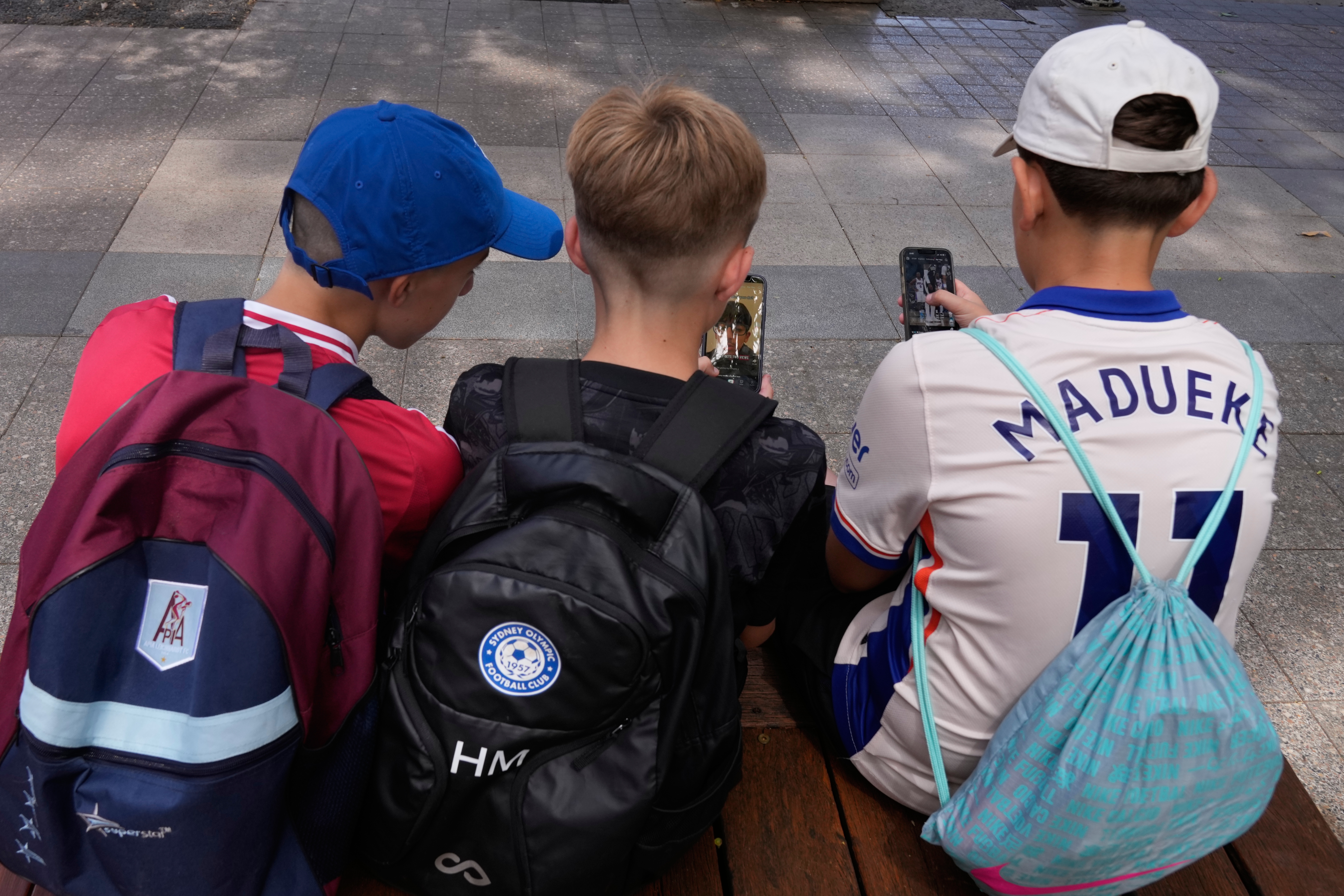
Three months after Australia launched its world-first ban on social media for children under 16, more than eight in ten kids aged 10 to 15 are still using platforms, according to a new study by the nation's internet regulator eSafety. Account ownership among that age group fell only modestly — from about 52% to 42% — as many young users kept old profiles or simply created new ones.
About half of active young users report that platforms never checked their age at all, exposing a major gap at the heart of the law WebProNews. Australia's government has defended the policy, arguing the ban has already changed the national conversation, even while admitting it will not achieve 100% compliance.
Usage Barely Budged Despite Historic Law
The eSafety study found that 81.5% of under-16s still accessed age-restricted social media three months into the ban my.headtopics.com. That is a drop of only about 4.4 percentage points from before the law took effect. Daily usage patterns showed almost no change.
Declines in account ownership were clearest on YouTube, Snapchat, and TikTok. But many kids simply kept accounts they already had. Others made new ones with no age check at all. The result: the ban looks significant on paper but has had little real-world bite so far WebProNews.
Age Verification Gaps Let Millions Slip Through
About half of young users who stayed online said platforms did not verify their age at all uk.marketscreener.com. This is the law's biggest weakness. Without strong age-checking tools built into apps, there is little stopping a 13-year-old from signing up with a fake birthday.
Teens are also finding workarounds by moving to smaller platforms. Reddit usage held steady at 3.6%. Threads climbed from 1.5% to 2%. Kick jumped from 0.2% to 0.6% WebProNews. These shifts show that bans can push users toward less-regulated corners of the internet rather than off it entirely.
Government Doubles Down, Plans Stiffer Fines
Australian officials pushed back hard against the study's gloomy headline. Andrew Leigh argued the ban has already shifted the debate and said millions of accounts have been shut down sg.headtopics.com. He stressed the policy was never meant to deliver instant, perfect results.
To strengthen the law, the government plans to double the maximum financial penalty for tech firms that fail to comply uk.marketscreener.com. Officials say tougher fines will pressure platforms to invest in real age-assurance tools. Without that pressure, critics warn, companies have little incentive to act.
UK Follows Australia as Global Under-16 Push Grows
Australia is no longer alone. The UK has passed its own under-16 social media ban, joining a broader international push to protect young users online news.sky.com. Both countries face the same core tension: keeping kids safe without invading their privacy or placing impossible demands on families.
Parental awareness of children's online habits actually declined during Australia's ban period, complicating the picture further WebProNews. Experts say the law alone is not enough. Effective enforcement needs cooperation from platforms, parents, and regulators all at once — a goal that remains a work in progress.
Sentiment
Mostly NegativeNEGATIVENEUTRALPOSITIVE
Publishers
24
Articles
157
Reach
181
A
AnonymousAuthor


