Mifepristone Mail Restrictions
Appeals Court Considers Nationwide Restrictions on Mailed Medication Abortion Access
Anonymous
Key Points
1
The lawsuit was brought by Louisiana Attorney General Liz Murrill and Rosalie Markezich, who says she was pressured into taking abortion pills; Louisiana is supported by 23 other states seeking to restore the in-person dispensing requirement.
2
The FDA’s policy change unfolded in stages: it stopped enforcing the in-person requirement in April 2021 during the COVID-19 emergency, announced plans to eliminate it permanently in December 2021, and approved the revised rules in January 2023, including pharmacy dispensing.
3
The Guttmacher Institute estimates that roughly 91,000 abortions were provided last year through telehealth prescriptions mailed to states with abortion bans, including more than 9,300 in Louisiana.
4
The Louisiana case is one of three federal lawsuits that could affect nationwide telehealth access to mifepristone; the other two are being litigated in Missouri and Texas.
5
Melissa Grant, co-founder of the telehealth provider carafem, said a nationwide restriction would affect patients even in states that protect abortion access: “It will impact people in all 50 states.”
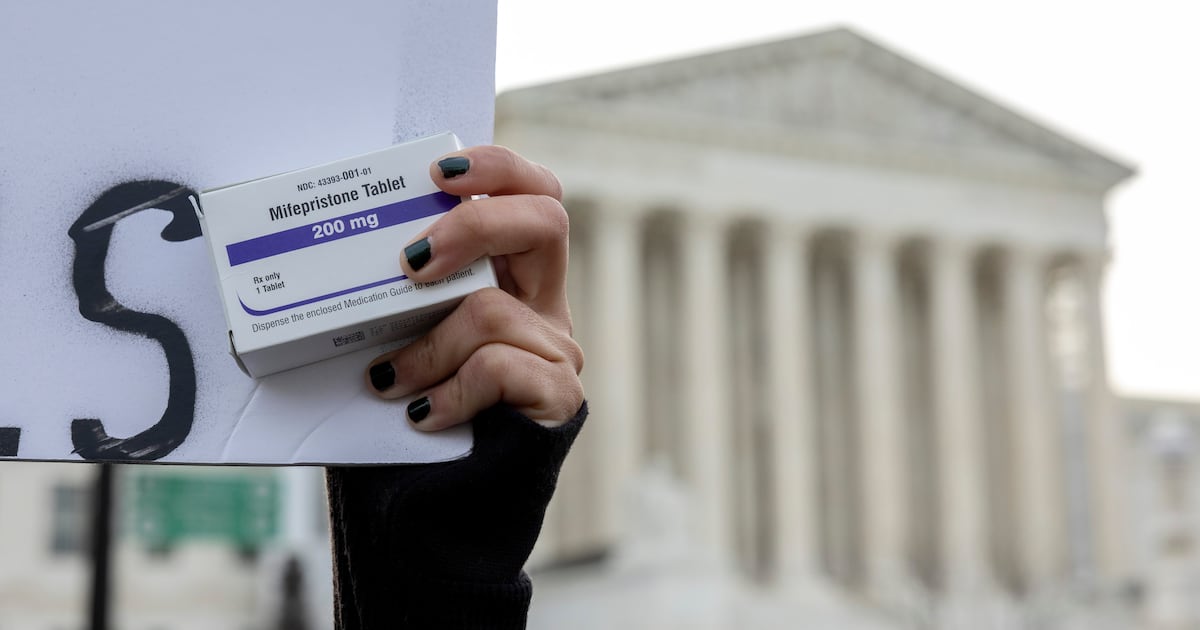
A federal appeals court in New Orleans is weighing whether to restrict how mifepristone — the pill used in roughly 60% of all U.S. abortions — can be prescribed and delivered ADN. Louisiana and 23 allied states want the court to reinstate rules requiring in-person dispensing, a move that could block telehealth prescriptions and mail delivery nationwide, even in states where abortion remains legal Durango Herald.
The case centers on Biden-era FDA changes that eliminated the in-person requirement in 2023, opening the door to pharmacy dispensing and mailed pills. Abortion-rights groups warn that a ruling for Louisiana could disrupt access for roughly 91,000 patients per year who receive mailed prescriptions in abortion-ban states Post Register.
Why Mifepristone Rules Matter for Abortion Access
Mifepristone is now the most common abortion method in America. Telehealth providers mail pills to patients in states with near-total bans, giving them an option that would otherwise be unavailable ADN. The Guttmacher Institute estimates roughly 91,000 abortions were provided via mailed telehealth prescriptions last year, including more than 9,300 in Louisiana itself Post Register.
Melissa Grant, co-founder of telehealth provider carafem, warned that a nationwide ban would hurt patients everywhere: "It will impact people in all 50 states." Even in states protecting abortion access, patients might lose the option of private, at-home medication abortion Durango Herald.
The FDA's Step-by-Step Move Toward Telehealth Access
The FDA's policy changed in stages over two years. In April 2021, during COVID-19, it stopped enforcing the in-person requirement. In December 2021, it announced plans to eliminate it permanently. Finally, in January 2023, the agency approved new rules allowing pharmacy dispensing and mail delivery ADN.
Louisiana Attorney General Liz Murrill and one plaintiff claim the FDA didn't justify these changes adequately. They argue the policy shift undermines Louisiana's near-total abortion ban and prioritizes access over safety Post Register.
Three Lawsuits Could Reshape Abortion Pill Access Nationwide
Louisiana's case is one of three federal lawsuits challenging the FDA's telehealth rules. The other two are pending in Missouri and Texas. All three could ultimately reach the Supreme Court, which has already allowed mailed access to continue while litigation proceeds ADN.
The Trump administration declined to defend Biden's policy on its merits. Instead, it urged courts to wait for a separate FDA safety review Post Register. That stance leaves abortion-rights groups and providers fighting the restrictions largely on their own Jonesboro Sun.
Sentiment
Mostly NegativeNEGATIVENEUTRALPOSITIVE
Publishers
31
Articles
266
Reach
297
A
AnonymousAuthor


