Front-Line Survival Story
Ukrainian Soldier Endures Nearly a Year in Front-Line Foxhole
Anonymous
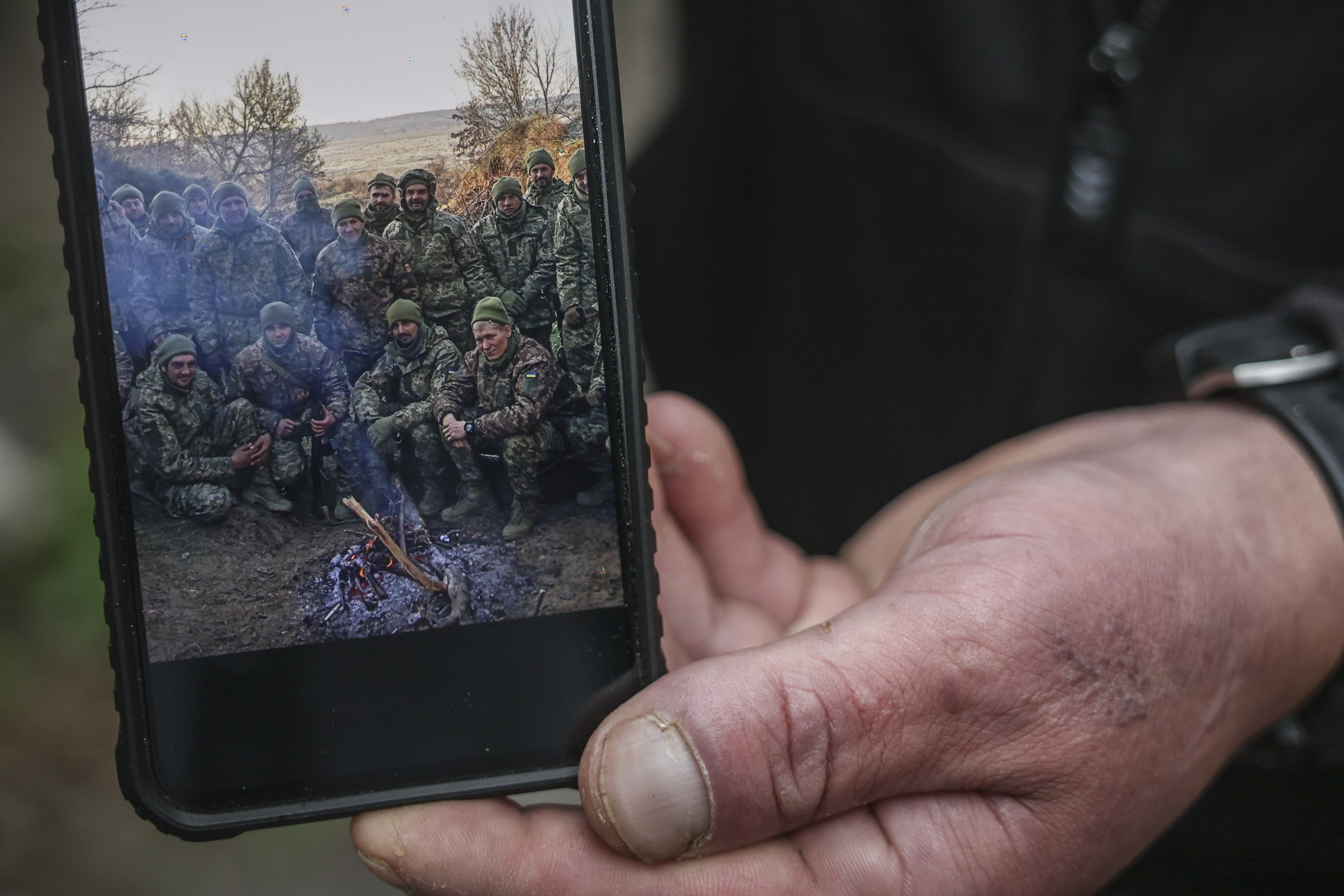
Ukrainian soldier Serhii Krynitskyi spent almost a year trapped in a small foxhole on the front lines — and survived. According to Omaha World-Herald, he and one comrade held their position in a kill zone, killing Russian soldiers and scavenging food from the dead to stay alive.
The ordeal is a stark window into how drone warfare has changed the conflict. Tucson.com reported that the rise of drones has forced both armies to abandon the old practice of massing troops in large formations. Instead, small groups of soldiers — sometimes just two men — are left stranded in isolated positions with no safe way out.
Two Men, One Dugout, Almost One Year
Krynitskyi and his comrade were pinned in a tiny dugout on the Ukrainian front lines. They could not leave. Russian forces surrounded their position. Moving in daylight meant death. According to Buffalo News, the two soldiers killed approaching Russian troops and took food and supplies from the bodies to keep themselves fed and armed.
The dugout sat inside what soldiers call a "kill zone" — ground so exposed and dangerous that neither side can cross it safely. Crossroads Today reported that Krynitskyi's isolation was a direct result of the new battlefield reality. Drones watch every movement. Any soldier in the open becomes a target within minutes.
Drones Rewrote the Rules of Ground Combat
Before drones dominated the battlefield, armies moved troops in large groups. That is now too dangerous. Tucson.com reported that drone warfare has forced both the Ukrainian and Russian armies to break into tiny, dispersed units. A soldier spotted by a drone can be struck in minutes by a cheap, remotely guided weapon.
The result is a front line full of small, cut-off positions like Krynitskyi's. Soldiers get stranded when conditions shift and resupply becomes impossible. According to Waco Tribune-Herald, men in these positions must find their own food and ammunition or die. Krynitskyi did what he had to do to survive.
Scavenging From the Dead to Stay Alive
With no supply lines reaching him, Krynitskyi turned to the only source of food and gear available — fallen soldiers. Pantagraph reported that he and his comrade stripped supplies from Russian troops they killed near their position. It was a brutal but necessary choice to survive month after month in the field.
The conditions inside the foxhole were extreme. Krynitskyi endured heat, cold, hunger, and constant danger for close to a full year. According to Bismarck Tribune, his story has drawn wide attention as one of the most harrowing individual survival accounts of the entire Ukraine war.
A Human Story Inside a Grinding, Stalled War
The Ukraine war has largely bogged down into a grinding stalemate. Neither side has made dramatic territorial gains in months. Against that backdrop, Greensboro News & Record noted that Krynitskyi's survival stands out as a rare, deeply personal story from a war that has become defined by attrition and slow, punishing losses on both sides.
His account also puts a human face on the tactical changes reshaping modern warfare. Drones have not just changed how armies fight — they have changed how individual soldiers live and die. WCF Courier reported that stories like Krynitskyi's are becoming more common as isolated positions multiply across the front.
Sentiment
NeutralNEGATIVENEUTRALPOSITIVE
Publishers
16
Articles
15
Reach
16
Topics
A
AnonymousAuthor


