Volkswagen Plans Seat End by 2029
Volkswagen Plans Seat End by 2029
Anonymous
Key Points
1
Plan to reduce Seat's model range from roughly 150 to 75 and simplify vehicle configurations by about 75% as part of the wind-down.
2
The restructuring reportedly includes the closure of four German plants: Emden, Zwickau, Hannover, and Neckarsulm.
3
The plan envisions up to 100,000 job cuts worldwide, with about half of those reductions outside Germany.
4
Cupra would take over Seat’s products, production infrastructure, and sales where practical, with a target of 500,000–600,000 vehicles annually for Cupra and the brand positioned as the cornerstone of the Spanish subsidiary’s future.
5
Cupra’s upcoming Raval EV is cited as part of Cupra’s product strategy, with the model based on Volkswagen Group’s small-EV architecture.
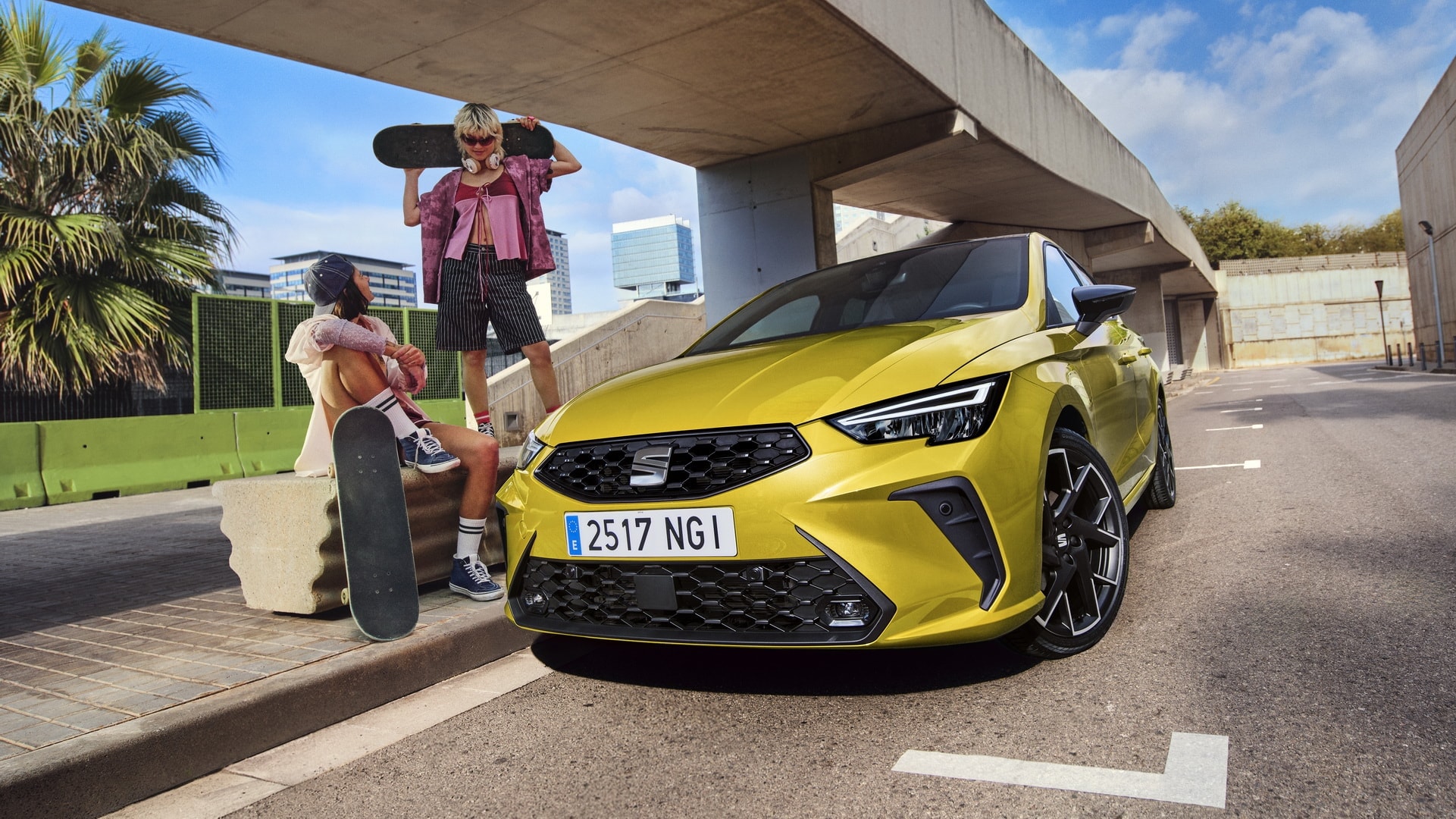
Volkswagen is planning to wind down the Seat brand by the end of 2029, according to Motor1. The German automaker would shift Seat's viable products, production, and sales to Cupra, a higher-end brand positioned as the future of VW's Spanish operations. The move is part of a broader restructuring that could eliminate up to 100,000 jobs worldwide and close four German plants.
The plan, outlined in confidential documents for a September supervisory board meeting, would reduce Seat's model lineup from roughly 150 vehicles to 75 and simplify configurations by 75%, AutoEvolution reported. Volkswagen would continue servicing existing Seat customers during an orderly phase-out, rather than abruptly abandoning the brand.
Cupra Takes Center Stage as Seat Fades
Cupra would absorb Seat's most profitable operations and aim to reach 500,000–600,000 vehicles annually, according to MotorIllustrated. The brand is being positioned as Volkswagen's growth vehicle, with plans to expand Cupra beyond Europe into North America. This consolidation would dramatically reduce operational complexity at VW's Spanish subsidiary.
Cupra's upcoming Raval electric vehicle, based on VW Group's small-EV architecture, signals the brand's shift toward affordable electric cars. By absorbing Seat's product portfolio and production capacity, Cupra would become the primary brand for mass-market Spanish vehicles under the VW umbrella.
Massive Job Cuts and Plant Closures Loom
The restructuring plan includes closing four German plants: Emden, Zwickau, Hannover, and Neckarsulm, MundoAmerica reported. Up to 100,000 jobs would be eliminated globally, with roughly half of those cuts occurring outside Germany. The scale reflects VW's effort to reduce costs and streamline operations across the group.
The Seat brand wind-down is just one component of VW's sweeping strategic overhaul. By consolidating Spanish brands and shuttering German factories, the company aims to improve profitability and focus resources on higher-margin products and electric vehicle development.
Decisions Still Pending Official Confirmation
No final decision has been publicly confirmed by Volkswagen or Seat, according to available reports. The plan requires supervisory board approval in September and remains subject to potential revisions based on negotiations with unions and other stakeholders. The company has not released an official statement outlining the restructuring timeline or specifics.
Seat, founded in 1950, would face phase-out before its 80th birthday if the plan moves forward. The brand has been part of the Volkswagen Group for decades, but VW's shift toward electric vehicles and cost reduction is forcing a strategic refocus that favors the newer, more agile Cupra brand.
Sentiment
Mostly NegativeNEGATIVENEUTRALPOSITIVE
Publishers
15
Articles
8
Reach
23
Topics
A
AnonymousAuthor


