Rare U.S. Military Flight
U.S. Air Force C-17 Aircraft Lands in Moscow for First Time Since 2017
Anonymous
Key Points
1
The flight appears to have followed a multi-leg itinerary, departing from Camp Springs, Maryland (Andrews AFB) and stopping in Riga, Latvia before heading to Moscow, with reports that it had previously visited Charleston Airport as part of its route.
2
This would be the first U.S. military aircraft to land at Moscow’s Vnukovo since 2017, and context in Russian outlets notes a prior related U.S. special mission during the Vogel and Vinnik prisoner exchange about 1.5 years earlier.
3
Public disclosure about the flight’s purpose remains limited; the Kremlin said it had no information about the transport plane’s mission, underscoring the lack of official detail.
4
Public tracking after the landing is sparse, with FlightRadar24/Flightradar24 showing no further movements, suggesting limited visibility into what happened next or the mission’s objectives.
5
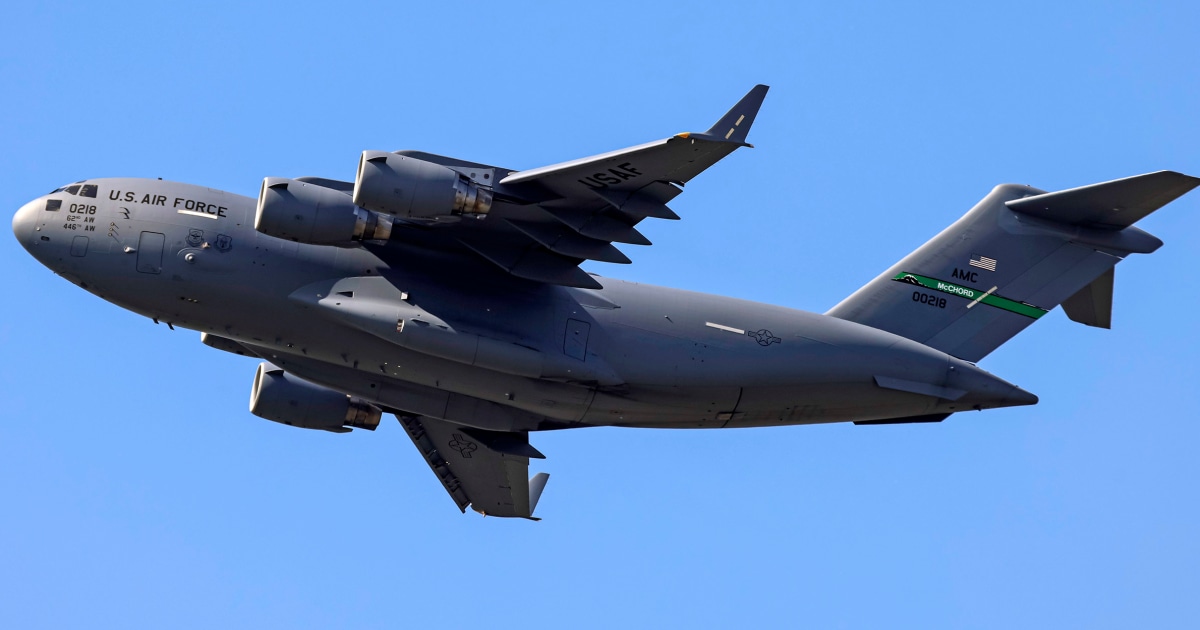
The aircraft is a Boeing C-17 Globemaster III (callsign RCH4555, tail 07-7181); it departed Riga around 8:50 a.m. Moscow time and landed at Vnukovo around 10:04 a.m., illustrating the high-profile, long-range transport nature of the flight.
A U.S. Air Force Boeing C-17 Globemaster III military transport plane landed at Moscow's Vnukovo airport on August 25, marking the first American military flight to the Russian capital since 2017. The aircraft, callsign RCH4555 with tail number 07-7181, arrived around 10:04 a.m. local time after departing from Riga, Latvia, approximately two hours earlier, according to flight tracking data. The Kremlin stated it had no information about the plane's mission, and no official details have emerged about why the high-profile transport aircraft made the journey.
The flight path reveals a multi-leg journey from Camp Springs, Maryland (Andrews Air Force Base) through Charleston Air Force Base in South Carolina before reaching Riga and then Moscow. Flight data shows the plane departed Riga around 8:50 a.m. Moscow time. The landing comes roughly 1.5 years after a prior U.S. special mission aircraft visited during a prisoner exchange, suggesting diplomatic or strategic significance, though public tracking information after the Moscow landing remains sparse.
First U.S. Military Flight to Moscow Since 2017
The C-17 landing breaks a six-year gap in direct U.S. military air operations to Russia's capital. NBC News reported that the aircraft can transport troops and military equipment across continents. The Globemaster III is one of the U.S. Air Force's largest and most capable transport planes. Its arrival at Vnukovo—a major Moscow airport—signals a high-profile mission, though what that mission entails remains classified or undisclosed by both governments.
A Route Spanning Three Continents and Multiple Stops
The journey began at Andrews Air Force Base near Washington, D.C., then traveled south to Charleston Air Force Base in South Carolina. From there, the aircraft crossed the Atlantic to Riga, Latvia—a NATO ally adjacent to Russia. The two-hour leg from Riga to Moscow represents the final, most sensitive segment. Flight tracking sources confirmed the exact departure and arrival times at each stop.
Moscow and Washington Offer No Public Explanation
The Kremlin's silence about the flight's purpose underscores the secrecy surrounding the mission. The Sun reported that the plane landed "on an unexplained flight from Latvia," with no advance warning to Russian officials or public announcement. U.S. authorities have similarly declined to confirm mission details. This lack of transparency fuels speculation about whether the flight involved prisoner exchanges, diplomatic negotiations, or military coordination—though no evidence supports any single explanation.
Limited Tracking After Landing Raises More Questions
Public flight tracking data shows no further movements of the aircraft after it touched down at Vnukovo around 10:04 a.m. This blackout suggests either radar coverage gaps or intentional signal blocking. Flight tracking platforms typically monitor military aircraft, but limited visibility after Moscow's landing leaves the plane's status and next destination unknown. Whether the C-17 remained on the ground, departed untracked, or is still in Russia cannot be determined from open-source information available to the public.
Sentiment
Mostly NegativeNEGATIVENEUTRALPOSITIVE
Publishers
73
Articles
103
Reach
176
A
AnonymousAuthor


