Turner and Hooch Fallout
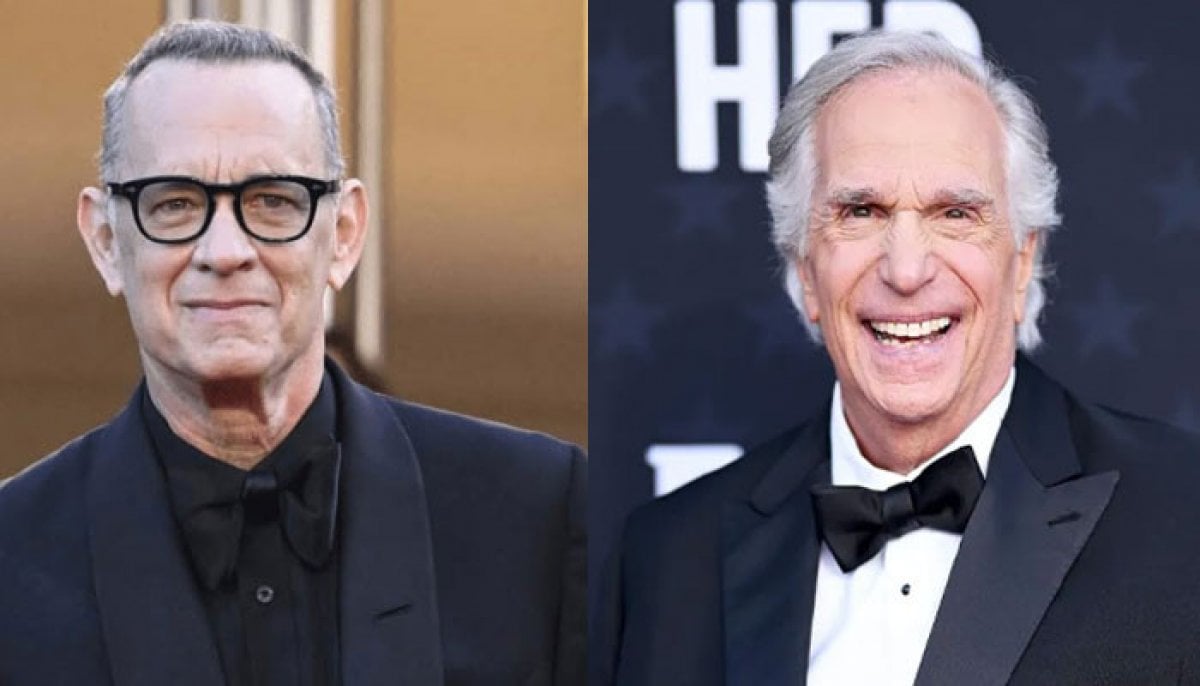
Henry Winkler Reveals Decades-Long Tension With Tom Hanks After Turner And Hooch Firing
Anonymous
Key Points
1
Winkler said Jeffrey Katzenberg, then chairman of Walt Disney Studios, personally hired him to direct the film despite his own doubts about taking the job.
2
Winkler recalled that Katzenberg told him, “It’s not in the dailies,” when informing him that he was being removed from the production.
3
After Winkler’s dismissal, Turner & Hooch was directed by Roger Spottiswoode, a British-Canadian filmmaker.
4
Winkler described his broader lesson from the experience by saying, “When your instinct says, ‘Uh oh! Danger! Warning sign!’ you do not question your tummy,” adding that he had ignored that warning before accepting the assignment.
5
Hanks appeared on Happy Days in 1982, playing a guest character who became involved in a bar fight—one of his notable pre-stardom television appearances.
Henry Winkler, the 80-year-old Happy Days star, has revealed that decades of tension with Tom Hanks traces back to a disastrous 13-day stint directing the 1989 film Turner & Hooch. Winkler said he ignored his gut instinct and accepted the job from Disney chairman Jeffrey Katzenberg, then clashed with the lead actor over performance notes and scene direction before being fired from the production.
Winkler, who later felt devastated by the dismissal, has said he remains open to reconciliation with Hanks—even though Hanks declined to appear in a brief Happy Days retrospective years later. The actor still owns a model plane Hanks made during filming and described the experience as a key lesson in trusting his instincts.
How a Director's Self-Doubt Led to Conflict
Winkler said he knew from the start he wasn't suited to direct Turner & Hooch. Despite his doubts, Katzenberg pushed him to take the job anyway. After just 13 days on set, Winkler gave performance notes to Hanks and actress Mare Winningham and asked to reshoot scenes. He believes this upset them and triggered his removal.
When Katzenberg fired him, the Disney chief said simply, 'It's not in the dailies'—meaning Katzenberg felt the footage wasn't meeting standards. British-Canadian filmmaker Roger Spottiswoode took over and completed the film. Winkler later reflected that ignoring his instinct cost him: 'When your tummy says warning sign, you do not question it.'
A Status Reversal That Changed Everything
Hanks had guest-starred on Happy Days in 1982, years before he became a major film star. At that time, Winkler was the household name—the legendary Fonzie. When they reunited on Turner & Hooch, the power dynamic flipped: Hanks was the film's lead and Winkler the inexperienced director giving him notes.
This reversal likely intensified the tension. Hanks, now the bigger star, may have resented direction from someone he once saw as his peer on television. Winkler's notes felt like a challenge to Hanks's acting choices—and possibly his authority as the lead actor on set.
The Unhealed Wound: A Retrospective Invitation Refused
Years later, Winkler reached out to Hanks to appear in a brief Happy Days retrospective—just 60 seconds. Hanks declined, deepening the wound. Winkler said the rejection stung because it suggested Hanks had never moved past their clash on set. The snub symbolized how raw the conflict remained even decades after filming ended.
Yet Winkler still holds out hope. He owns the small model plane Hanks built during production—a tangible reminder of their time together. When asked if reconciliation was possible, Winkler answered 'Sure,' signaling openness despite the pain. He acknowledges his own role in the conflict and says he is 'still working on [his] perspective' about what happened.
Sentiment
Mostly NegativeNEGATIVENEUTRALPOSITIVE
Publishers
15
Articles
21
Reach
36
A
AnonymousAuthor


