Wisconsin Ballot Amendments
Wisconsin Voters Will Decide Three Constitutional Amendments and Face Gerrymandering Challenges
Anonymous
Key Points
1
Wisconsin clerks had already sent approximately 194,000 absentee ballots to voters who had requested them, with about 1,600 ballots returned at the time of the report.
2
The blocked federal postal restrictions included a barcode system and a master list of eligible voters; voters can request absentee ballots online through myvote.wi.gov and should consult local clerks about non-mail return options.
3
The congressional-map challenge argues that no incumbent has lost a congressional race in more than a decade under the current map and its predecessor, despite Wisconsin being closely divided in statewide elections. Plaintiffs are asking the state Supreme Court to reverse a Dane County dismissal and return the case for trial.
4
Republican lawmakers have submitted 12 constitutional amendments to Wisconsin voters during Gov. Tony Evers’ nearly eight years in office, and voters have approved seven of them; nearly 63% approved the most recent, a 2025 photo-identification requirement.
5
State Rep. Dave Murphy, the Republican sponsor of the government-discrimination amendment, acknowledged that constitutional amendments can advance proposals Gov. Evers might veto, saying, “I’m glad that I can take this to the people for a signing rather than to Gov. Evers.”
Wisconsin voters will decide three Republican-backed constitutional amendments on Election Day, while election officials warn of potential mail delays for absentee ballots. The U.S. Supreme Court blocked federal restrictions on mail voting, allowing Wisconsin's absentee procedures to continue unchanged. Clerks have already sent roughly 194,000 absentee ballots to voters, with officials urging early return to avoid postal slowdowns.
The three amendments would restrict the governor's partial veto over taxes and fees, protect religious gatherings during emergencies, and prohibit discrimination by government and public institutions. Republicans say the measures curb government overreach. Governor Tony Evers and Democrats argue they bypass his veto authority and are unnecessary. State Rep. Dave Murphy acknowledged that constitutional amendments let Republicans advance proposals the governor might reject.
Absentee Ballots Arrive As Mail Delays Loom
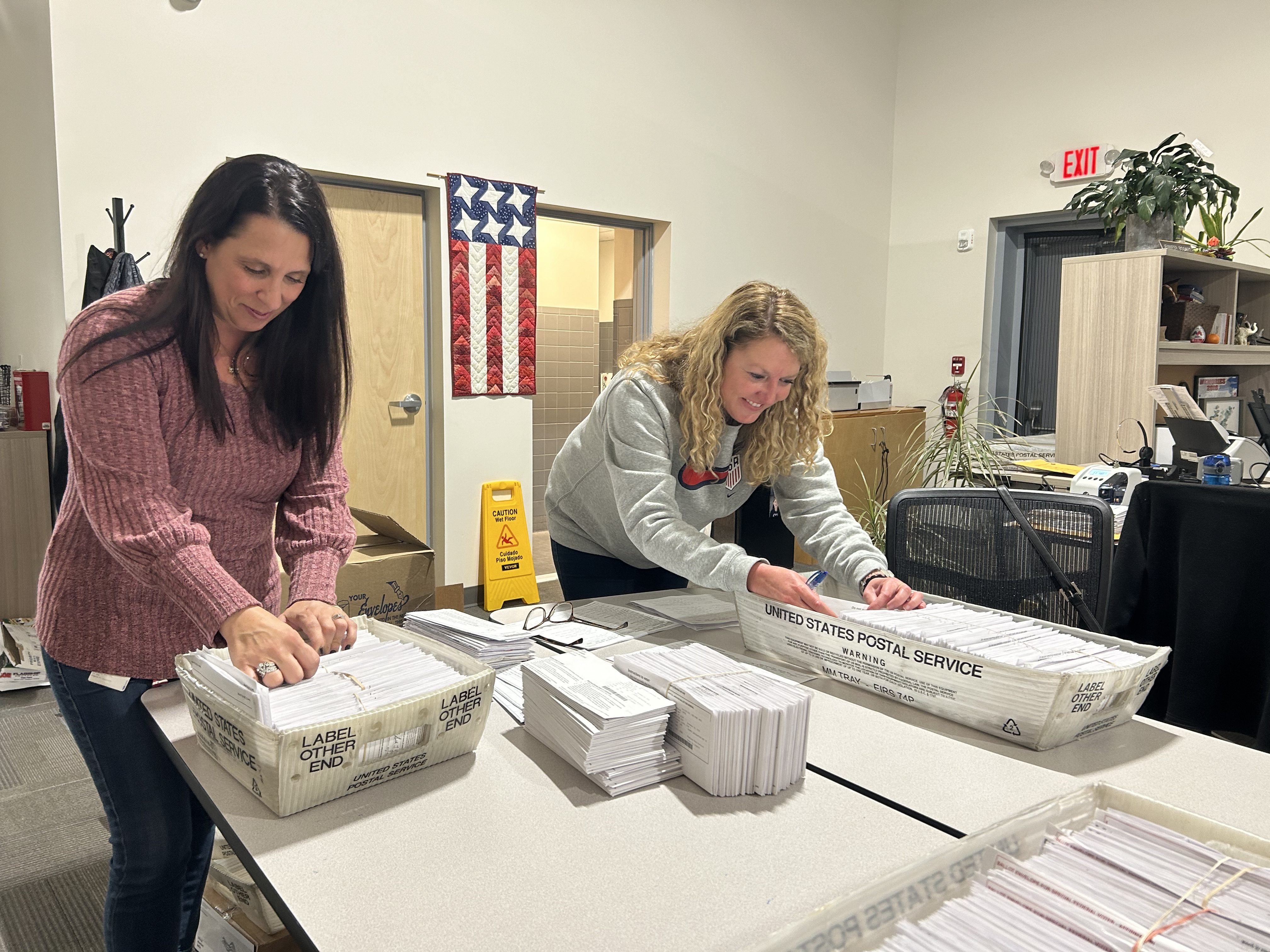
Wisconsin election clerks have distributed approximately 194,000 absentee ballots to voters who requested them, with about 1,600 returned by the reporting date. State election officials urge voters to mail ballots back at least two weeks early to avoid rejection due to postal delays. Late mail ballots caused roughly 5,000 rejections in previous Wisconsin elections.
The {{U.S. Supreme Court's>> decision to block federal postal restrictions preserves Wisconsin's existing voting system. Voters can request absentee ballots online through myvote.wi.gov or check with local clerks about hand-delivery options to bypass mail entirely.
Republicans Win Seven of Twelve Amendment Attempts
Governor Evers has faced 12 Republican-backed constitutional amendments during his nearly eight-year tenure. Wisconsin voters have approved seven of them, including a 2025 photo-identification requirement that passed with nearly 63% support. This track record gives Republicans confidence in their current ballot measures.
Constitutional amendments bypass the governor's veto power entirely by going directly to voters. {{State Rep. Dave Murphy>>, who sponsored the government-discrimination amendment, said he was "glad that I can take this to the people for a signing rather than to Gov. Evers."
Three Amendments on This Election's Ballot
The first amendment restricts the governor's power to reduce individual line items in tax and fee bills—a partial veto authority Wisconsin governors have held for decades. The second protects religious gatherings from government restrictions during declared emergencies. The third prohibits discrimination based on race, color, religion, or national origin by government agencies and public schools.
Republicans argue the amendments protect individual liberty and limit executive overreach. Democrats counter that the measures are unnecessary and were designed specifically to work around Gov. Evers' veto pen. The amendments will require a simple majority vote to pass.
Congressional Map Faces Legality Challenge
The Wisconsin Supreme Court is reviewing a challenge claiming the state's congressional districts constitute an unconstitutional anti-competitive gerrymander. Plaintiffs argue that no incumbent has lost a congressional race in over a decade under the current map, despite Wisconsin being closely divided in statewide elections.
The case was dismissed by Dane County Circuit Court, but plaintiffs are asking the state Supreme Court to reverse that decision and allow the case to proceed to trial. The outcome could reshape Wisconsin's political landscape heading into 2026.
Sentiment
Mostly NegativeNEGATIVENEUTRALPOSITIVE
Publishers
14
Articles
24
Reach
38
A
AnonymousAuthor


