Retail's Value Shift
US private-label market experiences revolution as consumers prioritize value
Anonymous
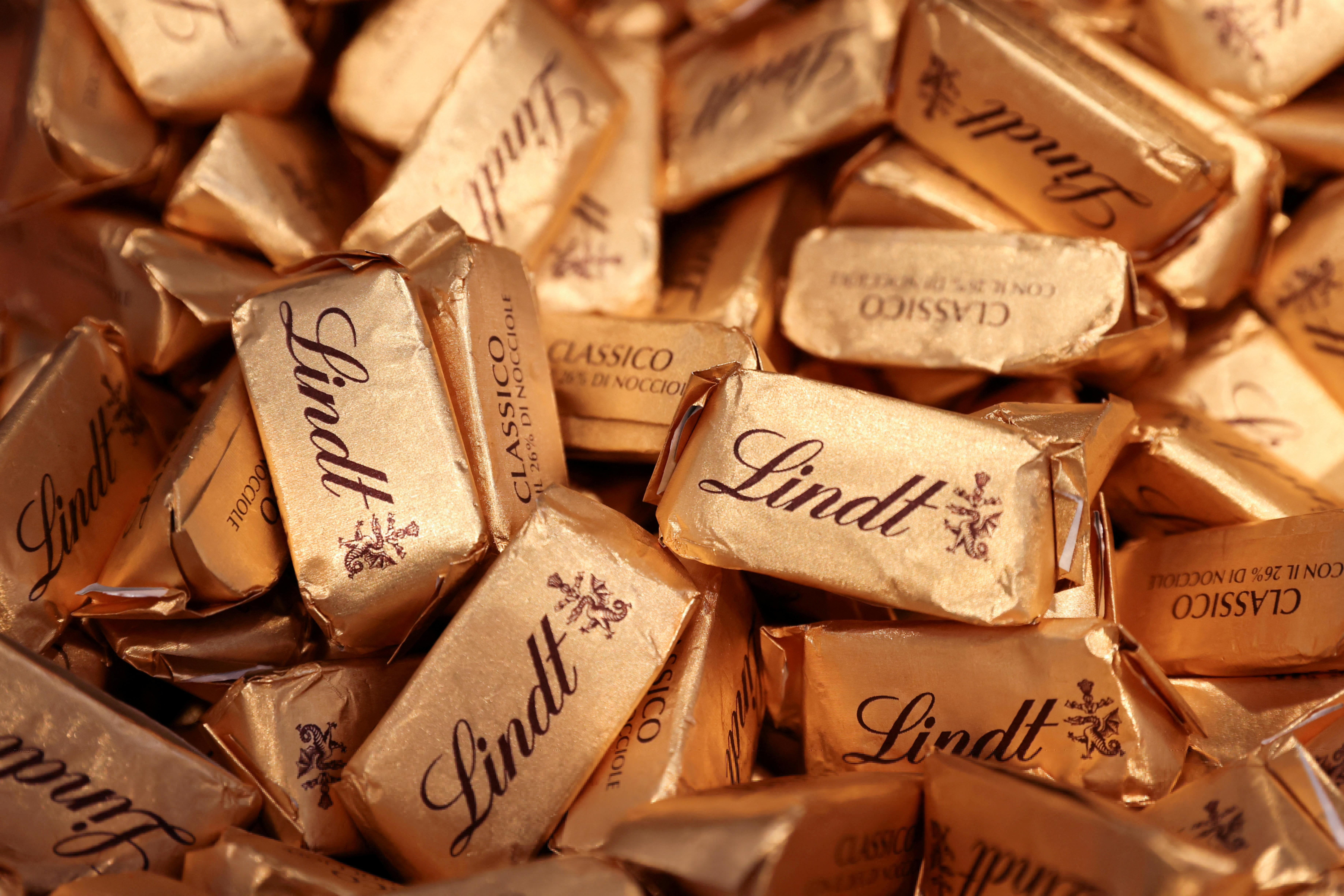
American shoppers are ditching name brands at a record pace, and retailers are racing to cash in. Store-brand products — also called private-label goods — are no longer just the cheap fallback on the bottom shelf. They have become a deliberate choice for millions of consumers across every income level, according to Post-Star.
Retailers now target what industry insiders call "trade-down" consumers. That means two very different groups: cash-strapped shoppers swapping expensive staples for cheaper ones, and wealthier buyers who simply want to save money on everyday items. Both groups are driving what some are calling a private-label revolution in the US, Buffalo News reports.
Store Brands Shed Their Cheap, Generic Image
For decades, private-label products carried a stigma. Plain packaging. Lower quality. A sign that you were watching every penny. That reputation is fading fast. Retailers have poured money into improving recipes, design, and quality to make their store brands genuinely competitive with national names, according to Missoulian.
The result is a new kind of store brand — one that shoppers feel good about buying. Grocery chains, big-box stores, and drugstores have all expanded their private-label lines in recent years. Some retailers now carry hundreds of store-brand products across nearly every category, from snacks and beverages to cleaning supplies and personal care, Pantagraph reported.
Inflation Squeezed Budgets and Changed Shopping Habits
Years of high inflation pushed grocery bills to painful levels. Prices on everyday items climbed sharply, leaving families searching for relief at the checkout line. Many shoppers turned to store brands and discovered they could cut their bills without sacrificing too much quality, Journal Times reported.
Even after inflation cooled, the habits stuck. Shoppers who switched to private-label products during the crunch often did not switch back. Retailers noticed this loyalty and responded by doubling down on their store-brand offerings, Fredericksburg noted.
Wealthier Shoppers Are Trading Down Too
The private-label boom is not just a story about struggling families. Higher-income shoppers are also choosing store brands, particularly on discretionary items — things they want but do not strictly need. These buyers are not cutting corners out of desperation. They are making a calculated choice to save money where they can, according to Columbus Telegram.
This crossover has changed how retailers think about their store-brand lines. They are no longer designing products only for budget shoppers. They are creating premium private-label tiers aimed at buyers who want quality at a lower price than a top national brand, WCF Courier reported.
National Brands Fight Back as Retailers Gain Ground
The rise of private label has put major consumer brands on the defensive. Companies like Kraft Heinz, Unilever, and others have seen shoppers walk away from their products. Some national brands have responded with price cuts and promotions to win buyers back, York News-Times reported.
But retailers hold a powerful advantage: shelf space. They decide what gets prominent placement in their stores. As private-label sales grow, retailers have every reason to give their own brands the best spots — and less reason to prioritize the national names that once dominated US grocery aisles, according to Post-Star.
Sentiment
NeutralNEGATIVENEUTRALPOSITIVE
Publishers
9
Articles
9
Reach
9
Topics
A
AnonymousAuthor


