NC School Choice
North Carolina Sees Nearly 93% of Schoolchildren Eligible for Trump's K-12 Choice Initiative
Anonymous
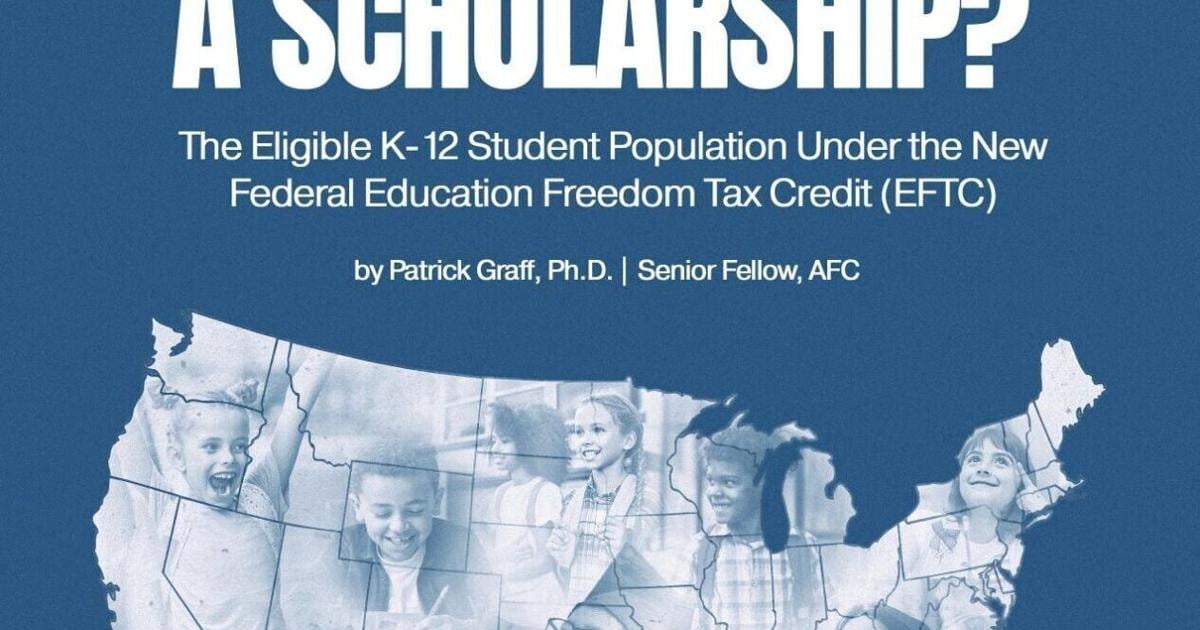
Nearly 93% of North Carolina's 1.7 million schoolchildren qualify for President Donald Trump's signature education initiative, according to The Center Square. The program, called the Federal Education Freedom Tax Credit, is the centerpiece of Trump's school choice push in his second term.
The high eligibility rate means roughly 1.58 million students in the state could benefit from the program. Analysts say the numbers show just how broad the initiative's reach could be across public, private, and homeschool families alike.
What the Federal Education Freedom Tax Credit Actually Does
The Federal Education Freedom Tax Credit is a federal tax credit program. It lets families use public money to pay for education outside of traditional public schools. That includes private schools, charter schools, and homeschooling costs. Think of it as a voucher tied to the federal tax code rather than a state budget.
The idea behind the program is to give parents more options. Instead of being locked into one school based on where they live, families could use the credit to pick the school that works best for their child. Supporters call this "school choice."
North Carolina Eligibility Numbers Break Down the Scale
Patrick Graff of the American Federation for Children ran the analysis behind the 93% figure, according to The Reflector. His findings show that nearly all of North Carolina's student population would qualify under the program's current rules. Only about 7% of students — roughly 119,000 kids — would not be eligible.
North Carolina has about 1.7 million K-12 students total. That means more than 1.58 million children could access the credit if the program becomes law. The American Federation for Children is a national group that strongly supports school choice policies.
School Choice Push Gains Momentum Under Trump's Second Term
Trump made school choice one of his top education goals entering his second term. The Federal Education Freedom Tax Credit is his administration's biggest push to make that happen at the national level. Several states, including North Carolina, have already built their own school choice programs in recent years.
North Carolina already passed its own school voucher program in 2023. That program, called the Opportunity Scholarship, also faced high demand. Pairing state and federal programs could significantly expand how many families actually use school choice options.
Critics and Supporters Draw Battle Lines Over Public School Funding
Supporters argue the credit gives power back to parents. They say every child deserves a school that fits their needs, not just the one closest to their house. The American Federation for Children has pushed for programs like this at the state and federal level for years.
Critics worry about where the money comes from. Public school advocates argue that tax credits for private schooling pull resources away from traditional public schools. They say the students who need the most help — those in low-income districts — are the ones left behind when funding shifts.
Sentiment
NeutralNEGATIVENEUTRALPOSITIVE
Publishers
5
Articles
4
Reach
5
A
AnonymousAuthor