Moldova Declares Energy Emergency
Moldova Seeks Sixty-Day Emergency Over Low Dniester River Levels and Energy Risks
Anonymous
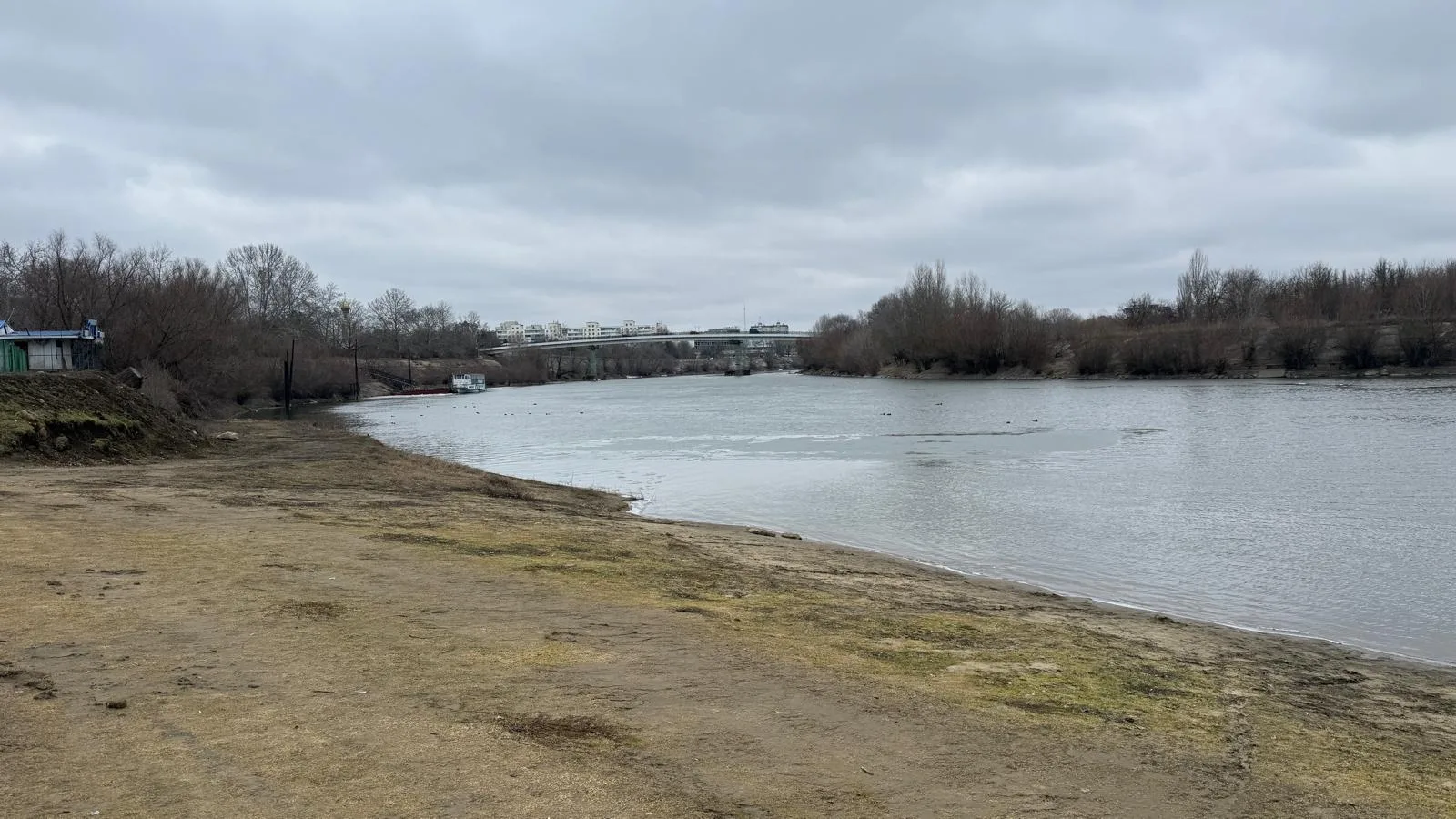
Moldova’s government is seeking parliamentary approval for a 60-day state of emergency in the energy and hydrological sectors, beginning September 26, citing dangerously low Dniester River levels and risks to water, electricity, fuel and heating supplies. President Maia Sandu’s Security Council endorsed rapid emergency measures, while Prime Minister Vasile Tofan said the government needs greater authority to respond to shortages, support vulnerable households and secure supplies before a crisis worsens. Moldova remains heavily dependent on imported gas, oil and electricity and lacks sufficient domestic capacity to meet peak-hour demand despite expanding renewable energy. Water levels have been depressed for months, with Moldova and Ukraine reducing flows through a Ukrainian hydropower station to preserve irrigation supplies, while a previous Russian strike on the facility reportedly caused an oil spill that contaminated the river. Parliament was expected to consider the government’s request at an emergency session on September 22.
Key Points
1
During the first 20 days of September, average inflow into the Novodnistrovsk Reservoir was about 23 cubic metres per second, while downstream releases averaged about 60 cubic metres per second—meaning roughly 63.4 million cubic metres more water left the reservoir than entered it.
2
Parliament Speaker Igor Grosu said government officials would appear before lawmakers at about 2:30 p.m. on September 22 to seek approval, arguing that authorities need the tools to make rapid decisions and provide people with energy, water and fuel.
3
Before the proposed emergency declaration, Moldova had already extended a heightened-readiness regime in the energy and hydrological sectors for another 30 days to enable a faster response to possible supply disruptions.
4
Measures under consideration included maintaining alternative routes for electricity imports, according to reporting on the National Security Council’s recommendations.
5
The proposed emergency regime was also framed as part of Moldova’s broader effort to reduce dependence on external energy supplies and strengthen national energy security, rather than solely as a response to the river’s declining water levels.
Sentiment
Mostly NegativeNEGATIVENEUTRALPOSITIVE
Publishers
26
Articles
162
Reach
188
A
AnonymousAuthor


