Oil Drilling Increases
U.S. Rig Count Holds Steady at 588 as Oil Drilling Increases
Anonymous
Key Points
1
WTI crude settled at approximately $90.76 per barrel and Brent at $95.29, with both benchmarks gaining strongly during the week as renewed U.S.-Iran tensions heightened concerns about Middle East supply disruptions. Natural gas settled near $2.98 per MMBtu.
2
Despite the weekly stability, the U.S. total was five rigs below the 17-month high reached two weeks earlier, indicating that recent growth has not yet translated into a new cycle high.
3
Texas added one rig to reach 283, while Colorado also gained one; Louisiana and Pennsylvania each lost one. Texas was 40 rigs above its level a year earlier.
4
Canadian drilling, although down seven rigs this week, remained 23 rigs above the comparable week of 2025; the country’s count had recently reached a five-month high of 219 rigs three weeks earlier.
5
Baker Hughes’ rig count is closely watched by the steel industry because it serves as a leading indicator of demand for oil-country tubular goods, an important end market for steel sheet.
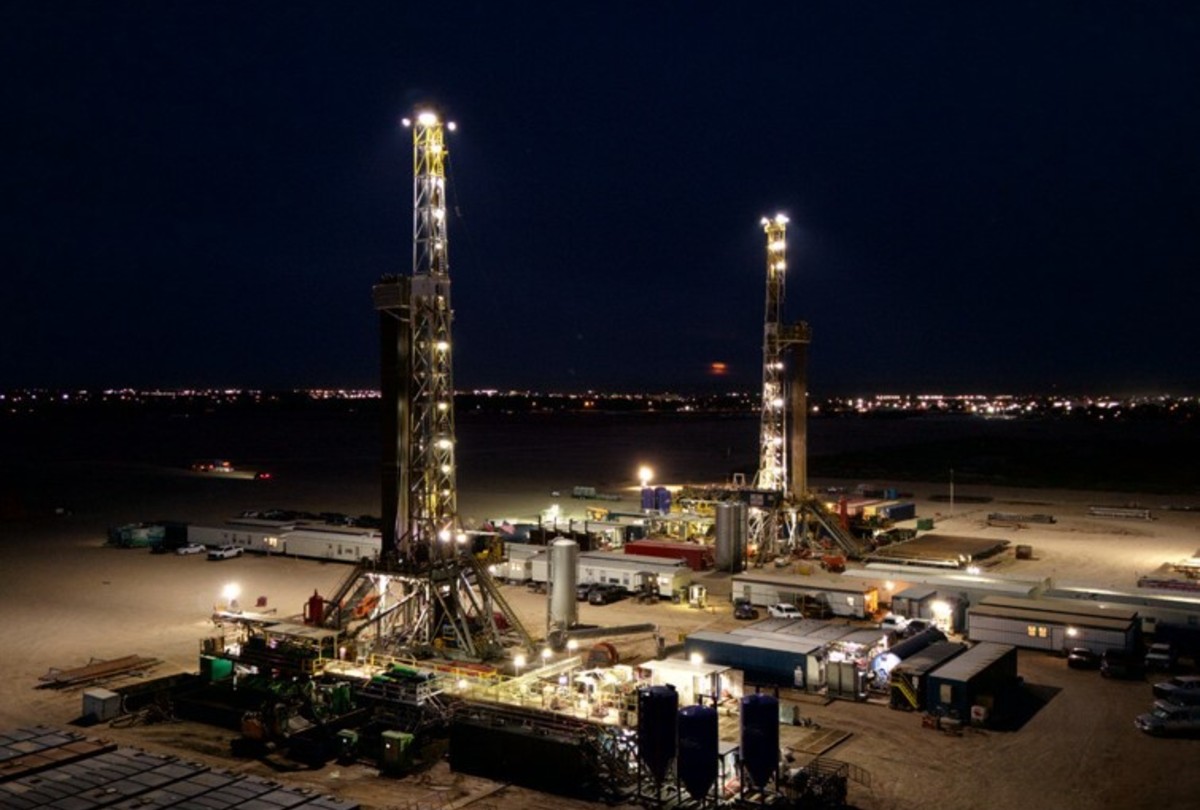
U.S. oil drilling held steady at 588 active rigs for the third straight week, but the mix shifted sharply toward crude. Energy Now reported that oil-targeting rigs climbed by two to 449, while natural gas rigs dropped by two to 130. The U.S. count sits 51 rigs above last year's level, signaling stronger appetite for drilling as crude prices remain elevated.
Oil prices surged this week on Middle East tensions. VT Markets noted WTI crude settled near $90.76 per barrel, while Brent hit $95.29. The gains reflect concerns about potential supply disruptions in the region. Despite steady overall rig counts, the U.S. total remains five rigs below the 17-month high hit two weeks ago.
Oil Rigs Rise as Crude Prices Strengthen Incentives
Crude-focused drilling is picking up momentum across key U.S. basins. The Permian, America's largest oil field, added one rig to reach 268. Texas climbed to 283 total rigs — up 40 from a year earlier. Steel Market Update reported that Colorado also gained one rig, though Louisiana and Pennsylvania each lost one. These gains signal that higher oil prices are spurring companies to increase production.
Natural gas drilling continues to retreat as crude dominates the market. Gas-focused rigs fell to 130 this week. Regions like the Haynesville, Marcellus, and Granite Wash all saw declines. This shift reflects lower natural gas prices, which make gas drilling less profitable than oil projects right now.
Canada's Rig Count Falls While US Growth Persists
Canadian drilling moved in the opposite direction this week. Energy Now reported that Canada's rig count dropped seven rigs to 204. Yet Canada still sits 23 rigs above the same week last year. The country's count had recently peaked at 219 three weeks earlier, marking a five-month high before this week's pullback.
Global drilling activity is mixed overall. International rigs totaled 1,102 in August, up from both the previous month and a year ago. This suggests global energy companies remain cautiously optimistic about demand despite geopolitical risks in the Middle East.
Steel Demand Tied to Oil Drilling Trends
Rig counts matter far beyond the energy sector. Steel Market Update noted that Baker Hughes' rig count is a leading indicator for oil-country tubular goods — steel pipes used in drilling. As oil rigs rise, steel makers see increased demand for these products. The shift toward oil drilling and away from gas could boost certain segments of the steel market in coming weeks.
Sentiment
Mostly NegativeNEGATIVENEUTRALPOSITIVE
Publishers
14
Articles
10
Reach
24
A
AnonymousAuthor


