Protecting Ukraine Humanitarian Aid
UN Considers Underground Bunkers for Aid Following Russian Strikes in Ukraine
Anonymous
Key Points
1
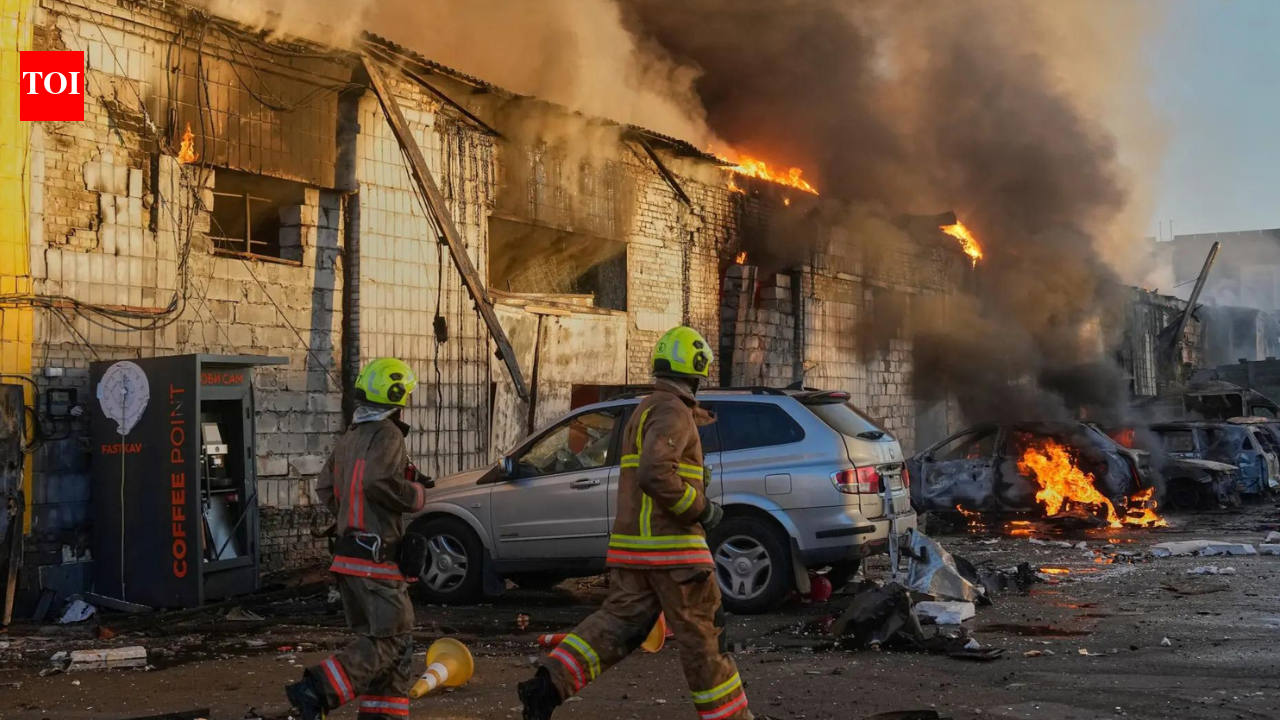
A World Health Organization warehouse holding medical supplies was struck earlier in September, while a Ukrainian Red Cross warehouse containing humanitarian aid was also destroyed during an attack on Kyiv.
2
Matthias Schmale said the attacks make it feel as though “the front line is moving into the air,” reflecting the growing role of aerial strikes in disrupting humanitarian operations.
3
The U.N. is considering mobile drone shelters in public spaces, including near bus stops, in response to rising civilian casualties and Ukrainian requests for additional protection.
4
Schmale said the added security and replacement costs ultimately fall on taxpayers, who finance goods delivered by the U.N. and other humanitarian organizations.
The United Nations is moving aid supplies into underground bunkers and delaying purchases after Russian strikes destroyed 10 warehouses in Ukraine this year. UN News The attacks destroyed millions of dollars in medical, hygiene, and school supplies. Matthias Schmale, the U.N. humanitarian coordinator in Ukraine, said the strikes have created unexpected costs that strain the organization's $2.3 billion 2026 humanitarian budget.
The U.N. is also buying armored vehicles, drone-detection equipment, and mobile shelters to protect workers and civilians. Schmale described the shift as feeling like "the front line is moving into the air," reflecting how aerial attacks are disrupting aid operations. Defense News The added security costs ultimately fall on taxpayers who fund humanitarian deliveries.
Warehouses Targeted in Escalating Strikes
A World Health Organization warehouse holding medical supplies was hit in September. Times of India A Ukrainian Red Cross warehouse containing humanitarian aid was destroyed during an attack on Kyiv. The strikes have become a recent trend that increases risks for all aid operations. GV Wire The pattern shows attackers are deliberately targeting where supplies are stored before delivery.
New Underground Storage and Delayed Purchasing
The U.N. is now storing aid supplies in underground bunkers to protect them from airstrikes. SSB Crack The organization is also changing how it buys supplies — delaying purchases until shortly before delivery instead of stockpiling large amounts. This reduces the time supplies sit in warehouses where they can be hit. The strategy aims to keep more aid safe from attack.
Mobile Shelters and New Protection Equipment
The U.N. is acquiring armored vehicles and drone-detection equipment to protect humanitarian workers. Yahoo News The organization is also considering mobile drone shelters placed in public spaces, including near bus stops, to protect civilians from aerial attacks. Ukraine has asked for additional protection as drone strikes increasingly target populated areas. These additions come at significant expense not originally budgeted for the humanitarian mission.
Hidden Costs Squeeze Limited Budgets
Security upgrades, replacement supplies, and underground storage add costs the U.N. did not expect when planning its 2026 budget. Matthias Schmale said these expenses ultimately come from taxpayers who fund the aid being delivered. The extra spending means fewer resources available for actual humanitarian assistance. The U.N. faces a difficult choice: spend more on protection or accept higher risks to operations and supplies.
Sentiment
Mostly NegativeNEGATIVENEUTRALPOSITIVE
Publishers
13
Articles
87
Reach
100
A
AnonymousAuthor


