Record Court Backlog
England and Wales Court Backlog Reaches Record High of 461,000 Cases
Anonymous
Key Points
1
Violence against the person was the largest category among Crown Court cases that had been open for at least a year, making up 30% of that group in June, compared with 25% in 2024.
2
A record 7,255 Crown Court cases had been open for at least two years by the end of June—15% more than a year earlier.
3
The Crown Court backlog has nearly doubled in six years, rising from 43,403 cases at the end of June 2020 to 80,829 at the end of June 2026.
4
The Crown Court had 80,437 open cases at the end of March, compared with 80,829 at the end of June; the June figure was 3% higher than a year earlier.
England and Wales court system is choking under a historic case backlog. By the end of June, courts faced 461,059 pending cases — nearly 100,000 more than a year earlier, according to Ministry of Justice data. Crown courts alone held 80,829 cases awaiting trial, with nearly 24,000 stuck in queues for over a year.
The delays are worsening even as case numbers plateau. The median time an open case sits pending reached 203 days. Meanwhile, Labour's plan to restrict jury trials has drawn fire from opposition lawmakers and criminal lawyers, who say the courts need money and practical fixes — not fewer trials.
Crown Court Queue Nearly Doubled in Six Years
The Crown Court's backlog has exploded. In June 2020, just 43,403 cases awaited trial. By June 2026, that number hit 80,829 — an 86% jump in six years, per Ministry of Justice figures. Even worse, 7,255 cases have now lingered for two years or longer — a 15% spike from the prior year alone.
While the overall Crown Court queue grew only slightly from March to June 2026, the composition of that backlog shifted. Cases staying open beyond one year increased 22%, reaching 23,706 by month's end. Judges are processing cases, but new ones arrive faster than old ones leave.
Violence Cases Dominate the Longest Waits
Violence against the person is the biggest chunk of stuck cases. In June, it made up 30% of all Crown Court cases waiting over a year — up from 25% in 2024, according to Ministry of Justice data. These cases include assault, robbery, and homicide, where delays can devastate victims and witnesses.
The shift reveals a troubling pattern: serious offences are piling up while the court system struggles to move them. Magistrates' courts, which handle less serious crimes, carried 380,230 open cases by end of June — part of the overall 461,059-case total across both tiers.
Labour's Jury Trial Plan Sparks Legal Pushback
Labour has proposed cutting jury trials to speed up cases, but opposition figures and criminal barristers have slammed the idea. They argue the courts need funding and staffing fixes, not fewer trials. Restricting juries, they say, threatens the right to trial by peers — a cornerstone of British justice.
Criminal barristers have called for 'practical action' and 'more investment' to cure the backlog's root causes. Without judges, court rooms, and support staff, they warn that removing jury trials is a Band-Aid on a much bigger wound. The legal community wants the government to address capacity, not squeeze the system tighter.
Regional Variation Masks Uneven Pressure
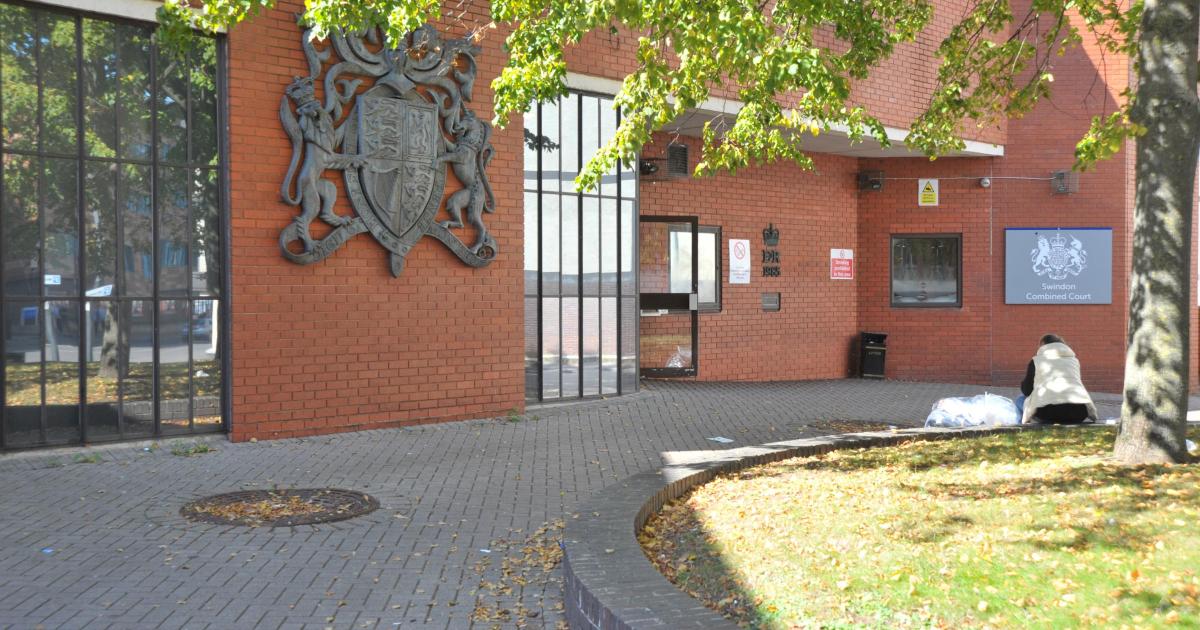
Not all courts are drowning equally. Salisbury Crown Court saw an 8.5% drop in open cases, falling to 150 by June 30. Meanwhile, Swindon Crown Court climbed 6.3%, reaching 272 cases — a sign that backlog pressure is spreading unevenly across regions, per This Is Wiltshire reporting.
Sentiment
Mostly NegativeNEGATIVENEUTRALPOSITIVE
Publishers
13
Articles
27
Reach
40
A
AnonymousAuthor


