AI Reshapes Search, Advertising, Business Visibility
AI Reshapes Search, Advertising, Business Visibility
Anonymous
Key Points
1
GEO can be measured through a three-part process: checking whether a brand appears in AI answers, assessing how models describe its category, customers, pricing and differentiators, and implementing structured fixes such as product facts, FAQs, schemas and repository metadata.
2
A suggested first GEO exercise is to choose one realistic buying query, submit it to three or four AI systems, and record whether the brand appears, whether core details are accurate, and which competitors rank more prominently in the responses.
3
Google’s festive advertising campaign in India featured case studies from cosmetics brand RENÉE and beauty retailer Tira, promoting products including Commerce Media Suite and AI Max as tools for improving sales and purchase growth.
4
Datum Intelligence projected India’s 2026 online festive sales at ₹1.50 lakh crore to ₹1.55 lakh crore, representing 25–29% growth, while estimating that 51% of surveyed online shoppers had used an AI chatbot to research an online purchase in the preceding three months.
Artificial intelligence is upending how people find products and businesses, pushing companies to optimize for AI chatbots like ChatGPT and Perplexity alongside traditional Google search. Visibility 360 reports that businesses now need to audit how they appear in AI-generated answers, not just keyword rankings. In India, 51% of online shoppers used an AI chatbot to research purchases in the past three months, according to Datum Intelligence, signaling a major shift in consumer discovery patterns.
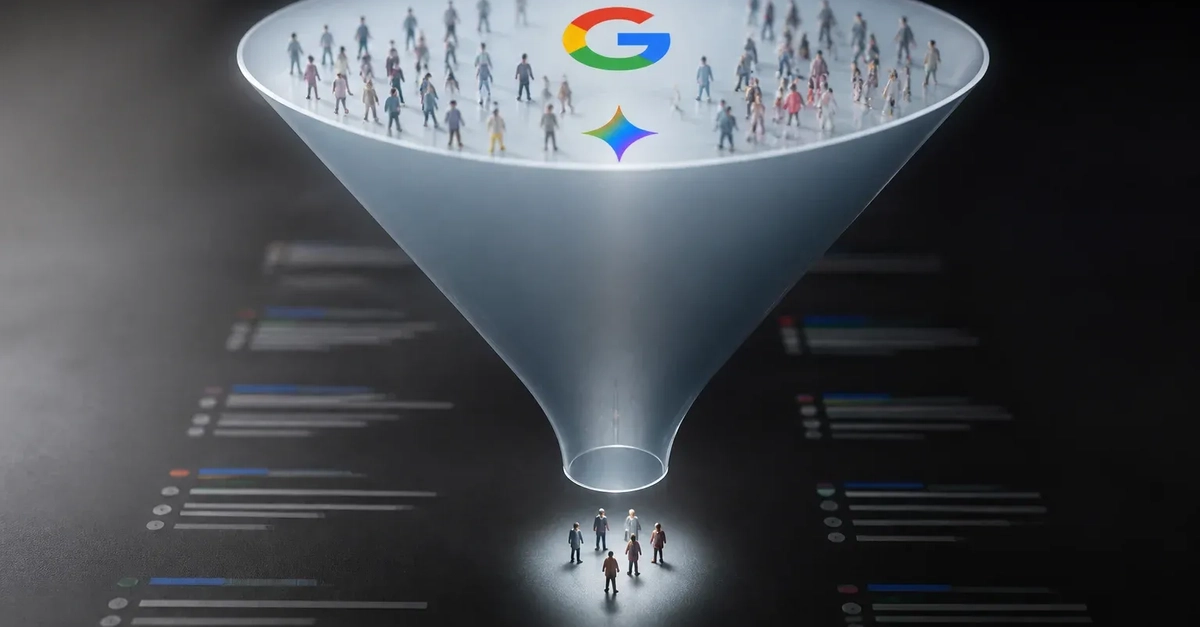
Google is fighting to keep advertisers engaged by promoting AI-powered tools in India's festive shopping season. The tech giant featured beauty brands like RENÉE and Tira, emphasizing products such as Commerce Media Suite and AI Max. Meanwhile, Datum Intelligence projects India's 2026 online festive sales will reach ₹1.50–1.55 lakh crore, a 25–29% jump from current levels, driven partly by AI-assisted shopping.
How to Measure AI Visibility in Three Steps
Generative Engine Optimization (GEO) works like this: First, pick a realistic buying query your customers use. Then submit it to three or four AI systems—ChatGPT, Claude, Gemini, Perplexity. Third, check if your brand appears, whether details are correct, and which competitors rank higher. Visibility 360 designed its audits to identify these gaps in AI discoverability. The goal is simple: understand how AI models see and describe your business.
Structured Data Fixes Improve AI Search Visibility
Once you know how AI sees your brand, the next step is technical fixes. SEO National notes that correcting technical SEO issues improves visibility in AI searches too. Add product facts, FAQs, schema markup, and repository metadata to your website. These structured signals help AI models understand what you sell, who buys from you, pricing, and what sets you apart. This approach bridges traditional SEO and AI discovery—both benefit from clean, organized information.
Google and Traditional Search Still Drive Real Traffic
Despite AI's rise, Google search remains a powerful traffic source. One Substack creator used AI-assisted optimization and saw Google deliver 17% of total traffic. Pew Research Center found that Google's AI Overviews are changing click behavior across 900 U.S. users. This suggests companies need both strategies: optimize for Google's traditional rankings and for how AI chatbots describe you. The two aren't competing—they're complementary.
Paid Ads and Organic Visibility Are Merging
The old debate—paid or organic visibility—is fading. Seer Interactive published research in April showing that paid traffic stops the moment you stop paying. Organic growth from search and AI discovery offers lasting value. For Indian businesses chasing holiday shoppers, this means blending paid campaigns with AI-optimized content. Google's festive push with RENÉE and Tira illustrates this mix: ads drive awareness, while proper digital visibility keeps customers coming back.
Sentiment
Mostly NegativeNEGATIVENEUTRALPOSITIVE
Publishers
18
Articles
30
Reach
48
A
AnonymousAuthor


