LG Certified for AI Cooling
LG Electronics secures NVIDIA certification, cementing role in global AI data-center supply chain.
Anonymous
Key Points
1
Market outlook places the global AI data-center cooling market in the range of 185 trillion won (about $133.5 billion) by 2034, with a roughly 26% annual growth rate, highlighting a high-growth backdrop for LG's CDU push.
2
LG is pursuing CDU-related opportunities through LG CNS, targeting AI data-center design, construction and operations, and modular data-center projects, expanding beyond standalone cooling hardware into broader data-center solutions.
3
LG is marketing a comprehensive 'chip-to-chiller' approach that covers the full range of cooling assets—chillers, CDUs, and cold plates—to form an integrated data-center thermal-management system.
4
Industry framing of the Nvidia certification positions LG as gaining a faster entry into core hyperscaler supply chains and the broader global AI data-center ecosystem.
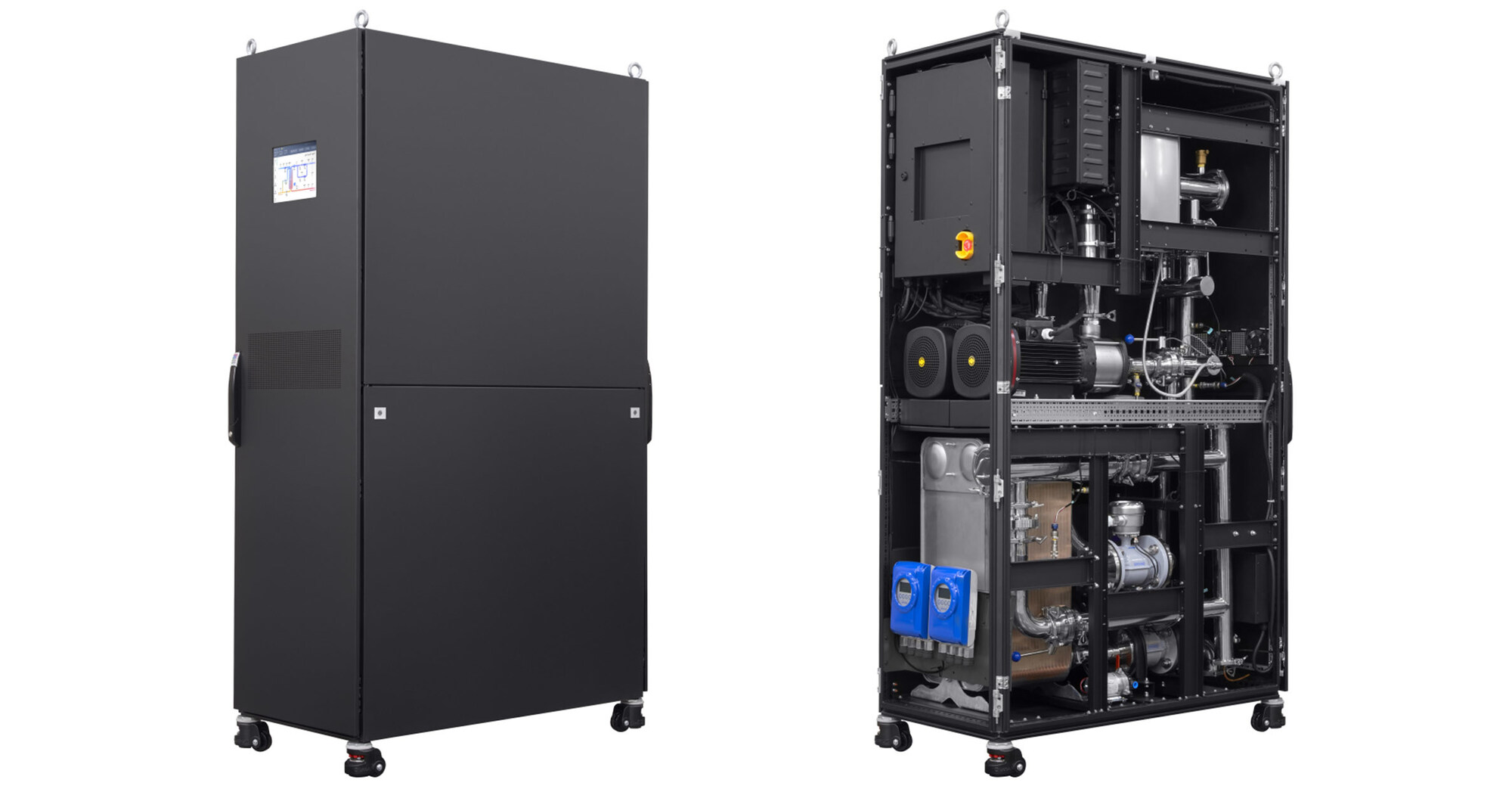
LG Electronics has become the first South Korean company to earn NVIDIA's official AI Factory certification for a liquid cooling unit. The company's 600-kilowatt Coolant Distribution Unit cleared more than 100 rigorous evaluation criteria, according to Market Screener.
The certification plugs LG directly into NVIDIA's global AI data-center supply chain. It comes as the market for AI data-center cooling is projected to hit roughly 185 trillion won — about $133.5 billion — by 2034, growing at around 26% per year.
What LG's 600kW Cooling Unit Actually Does
The unit is a Direct-to-Chip Coolant Distribution Unit. It pulls heat straight from GPUs and CPUs — the most power-hungry chips in AI servers. It works alongside existing air cooling systems rather than replacing them. Data Centre Magazine reports the system passed over 100 evaluation tests to meet NVIDIA's standardization requirements.
Precision is a key selling point. The unit holds temperature to within ±0.25°C using virtual sensors. It also includes leak-detection features to protect expensive server hardware. In NVIDIA's fault-tolerance tests, the unit automatically switched to backup equipment when a pump or cooling group failed — keeping servers running without interruption.
NVIDIA Certification Opens Hyperscaler Supply Chain Doors
Getting NVIDIA's AI Factory certification is not just a technical badge. It is a business passport. Market Screener notes the certification positions LG for faster entry into the core supply chains of hyperscalers — the giant cloud companies like Amazon, Google, and Microsoft that build massive AI data centers.
LG is already the first South Korean firm to clear this bar. That distinction matters in a market where NVIDIA's approval signals reliability to buyers worldwide. The certification effectively tells data-center operators that LG's cooling hardware meets the same standards as the chips it is designed to protect.
LG Plans Bigger Units and a Full Cooling Stack
LG is not stopping at 600 kW. The company plans to seek NVIDIA certification for larger CDU models — including 1 MW, 2.5 MW, and 4 MW units. These bigger systems target the largest AI clusters, where power density keeps climbing as chip performance grows.
LG is also marketing what it calls a "chip-to-chiller" approach. That means selling the full thermal management stack: cold plates that touch the chips, CDUs that distribute coolant, and chillers that dump heat outside the building. According to Market Screener, this integrated pitch aims to make LG a one-stop cooling partner for entire data centers.
LG CNS Targets Data-Center Design and Modular Projects
LG is pushing into data-center services, not just hardware. Its subsidiary LG CNS is targeting AI data-center design, construction, and operations. The unit is also pursuing modular data-center projects — pre-built, portable facilities that can be deployed quickly wherever AI compute is needed.
The broader play is clear: LG wants a piece of every layer of the AI data-center stack. With a $133.5 billion cooling market projected by 2034 and a 26% annual growth rate, the company is betting that NVIDIA's stamp of approval is the fastest way in, according to Data Centre Magazine.
Sentiment
Mostly PositiveNEGATIVENEUTRALPOSITIVE
Publishers
11
Articles
18
Reach
29
A
AnonymousAuthor


