AI Code Risks
Zoho Expands AI Platform as Industry Leaders Warn Engineers About Automated Code Risks
Anonymous
Key Points
1
Zia is designed to work beyond Zoho’s own applications, connecting with external software while retaining Zoho’s identity, permissions and business-data controls.
2
Salesforce has introduced AIforce, which enables AI interfaces such as Claude to access the platform’s data, workflows, business logic and permissions.
3
Anthropic reportedly received applications from more than 40,000 companies seeking to join its Claude Partner Network, underscoring enterprise demand for AI systems that connect to workplace applications through connectors and the Model Context Protocol.
4
The engineer whose post prompted Vembu’s warning said employees were working 12 to 13 hours a day, much of that time spent directing AI tools, while having little opportunity to inspect the generated code or understand how system components interacted.
5
The discussion extended beyond coding: one commenter said consulting and support teams were using Claude or ChatGPT to generate presentations and customer materials, while another argued that the central risk was humans shipping software they no longer understood.
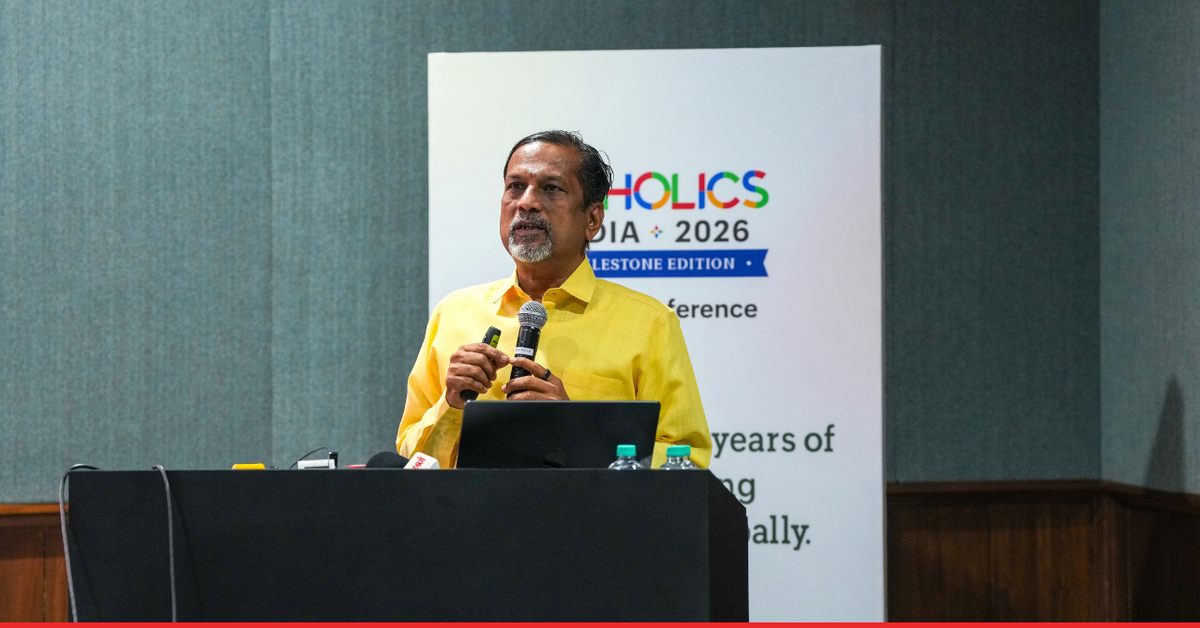
Zoho is expanding its Zia AI platform to work across enterprise applications, letting users retrieve data, analyze records, draft documents and automate tasks while maintaining existing security and permissions. The push reflects broader industry momentum: Gartner forecasts that 40% of enterprise applications will include task-specific AI agents by end of 2026, up from less than 5% today. But Zoho founder Sridhar Vembu has sounded a cautionary note, warning engineers not to surrender their technical judgment to AI tools.
Vembu's warning comes after an employee account alleged that AI code generation at scale left engineers working 12-13 hour days with little time to review output or understand what systems actually do. The concern extends beyond coding: consulting and support teams are using AI to generate presentations and customer materials, raising questions about software quality and human accountability as companies race to ship faster.
Zia Bridges Zoho's Apps and Beyond
Zoho's Zia platform is designed to work as an AI interface across enterprise applications, not just Zoho's own suite. Users can interact with it to retrieve information, analyze records, draft documents, create tasks and schedule actions. Crucially, Zia respects existing data permissions and maintains Zoho's business controls. This positions Zia as a connective layer for enterprise work.
Competitors are making similar moves. Salesforce introduced AIforce, which gives AI systems like Anthropic's Claude access to Salesforce data, workflows and business logic while respecting permission boundaries. Anthropic received applications from over 40,000 companies seeking to join its Claude Partner Network, signaling massive enterprise demand for AI systems that link workplace applications through technical connectors.
The Speed-and-Understanding Tradeoff
An employee account detailed the toll of rapid AI-driven development. Engineers worked 12 to 13 hours daily, much of that time directing AI tools rather than writing code themselves. They had little opportunity to review generated code or understand how system components interacted. The post raised alarms about whether software shipped this way could be trusted or maintained.
The problem extends beyond engineers. Zoho founder Vembu warned that consulting and support teams were generating presentations and customer materials using Claude and ChatGPT. One commenter flagged the core risk: humans shipping software they no longer understood. Vembu said the industry was moving faster than its grasp of the technology warranted, creating blind spots in quality and accountability.
$234 Billion in Software Spending at Risk
Gartner predicts that up to $234 billion in software spending could be exposed to "agentic arbitrage" by 2030 — essentially, AI agents and automated systems replacing human decision-making without sufficient oversight. The forecast reflects concern that enterprises are adopting AI-driven workflows faster than they can evaluate their impact on costs, risks and outcomes.
Vembu's position is nuanced. He has stated that AI could make software developers 4 to 5 times more productive, potentially reaching 10 times as the technology matures. But productivity gains mean little if the software is unreliable, buggy or incomprehensible. His core argument: use AI as an assistant, not a replacement for engineering judgment and technical understanding.
A Shift Toward Domain and Judgment Skills
As software becomes faster to build, its value shifts. Vembu has warned that software itself is becoming a commodity due to lower development costs from AI tools. That means the premium skills—domain expertise, system thinking, the judgment to know what to build and how to maintain it—become more valuable, not less.
The tension is clear: enterprises want to move fast and reduce engineering costs. But Vembu's message is a reminder that speed without understanding creates technical debt, fragility and accountability gaps. The winners in this AI-driven era will likely be organizations that treat AI as a productivity multiplier, not a replacement for the human expertise that keeps systems reliable and sound.
Sentiment
Mostly NegativeNEGATIVENEUTRALPOSITIVE
Publishers
16
Articles
4
Reach
20
Topics
A
AnonymousAuthor


