Historic Tapestry Move Checked
Bayeux Tapestry sustains minor thread breaks during historic move from France to Britain.
Anonymous

Key Points
1
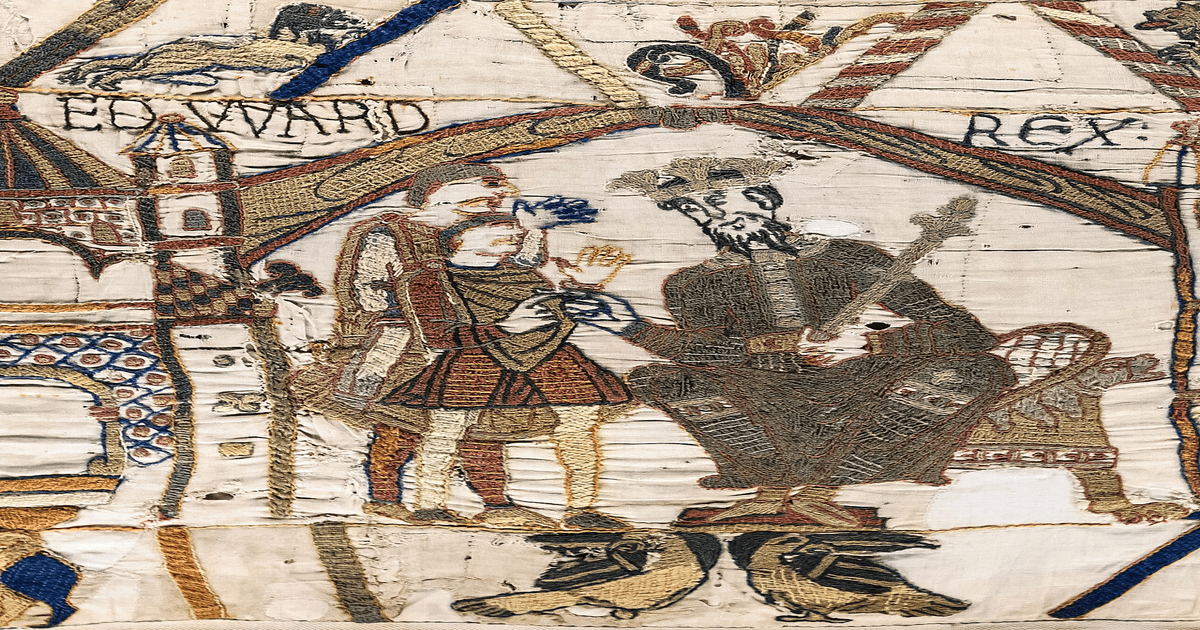
The tapestry depicts the 1066 Battle of Hastings and the invasion by William the Conqueror’s Norman army; it is widely believed to have been made in England before being transferred to Bayeux in France.
2
The loan is believed to mark the first time the 68-meter embroidered artwork has left France in more than 900 years and the first time it has been moved in more than 40 years.
3
The reported damage included slight tears in two areas of the tapestry’s linen canvas, according to La Croix, although experts found no major damage.
4
Artist David Hockney had warned that changes in temperature, humidity or light could cause the tapestry’s fibers to contract or expand and its colors to fade, potentially leading to tearing, stitch loss and fabric distortion.
5
King Charles III described the loan as a “precious symbol of trust” between France and Britain, while French President Emmanuel Macron said he hoped it would help the countries “forge a bond as close as the threads” of the embroidery.
The Bayeux Tapestry arrived at the British Museum with only minor thread breaks after its historic move from France. French Culture Minister Catherine Pégard said experts examined the 68-meter embroidered artwork centimeter by centimeter and found it in essentially the same condition as when it left Bayeux. British Museum officials confirmed the damage was minimal, with the tapestry "virtually unchanged" after the unprecedented journey across the Channel.
Two slight tears appeared in the linen canvas during transport, La Croix reported, but no major damage occurred. The 900-year-old artifact was moved in a specially designed case that controlled vibration, temperature, and humidity. It will remain on display at the British Museum through July 2027, marking the first time the tapestry has left France in over 900 years.
Why Moving the Tapestry Was So Risky
Artist David Hockney warned that changes in temperature, humidity, or light could damage the fragile embroidery. Fibers can contract or expand, colors can fade, and stitches can tear apart when conditions shift. The tapestry had not moved in over 40 years, making this transport one of the riskiest moments in its entire history.
A 900-Year-Old Journey Across the Channel
The Bayeux Tapestry depicts the 1066 Battle of Hastings and the Norman invasion led by William the Conqueror. Most historians believe English artisans created the 68-meter embroidered artwork, though it was transferred to Bayeux, France, centuries ago. This loan represents the first time the medieval masterpiece has left French soil in more than nine centuries.
A Symbol of Trust Between Two Nations
King Charles III called the loan a "precious symbol of trust" between France and Britain. French President Emmanuel Macron said he hoped the tapestry would help the two countries "forge a bond as close as the threads" of the embroidery. The diplomatic gesture highlights how a medieval artifact can strengthen modern international relationships.
What Comes Next for the Historic Tapestry
British Museum conservators are still completing their full condition report, which requires approval from both French and British conservation teams. The preliminary assessment shows the tapestry withstood transport remarkably well, with only two minor thread breaks in its entire length. Millions of visitors are expected to see the medieval treasure during its three-year display in London.
Sentiment
Mostly NegativeNEGATIVENEUTRALPOSITIVE
Publishers
14
Articles
34
Reach
48
A
AnonymousAuthor