Quiet Outdoor Escapes
Discover Overlooked Lakes and Mountain Parks Across Nebraska and Kentucky
Anonymous
Key Points
1
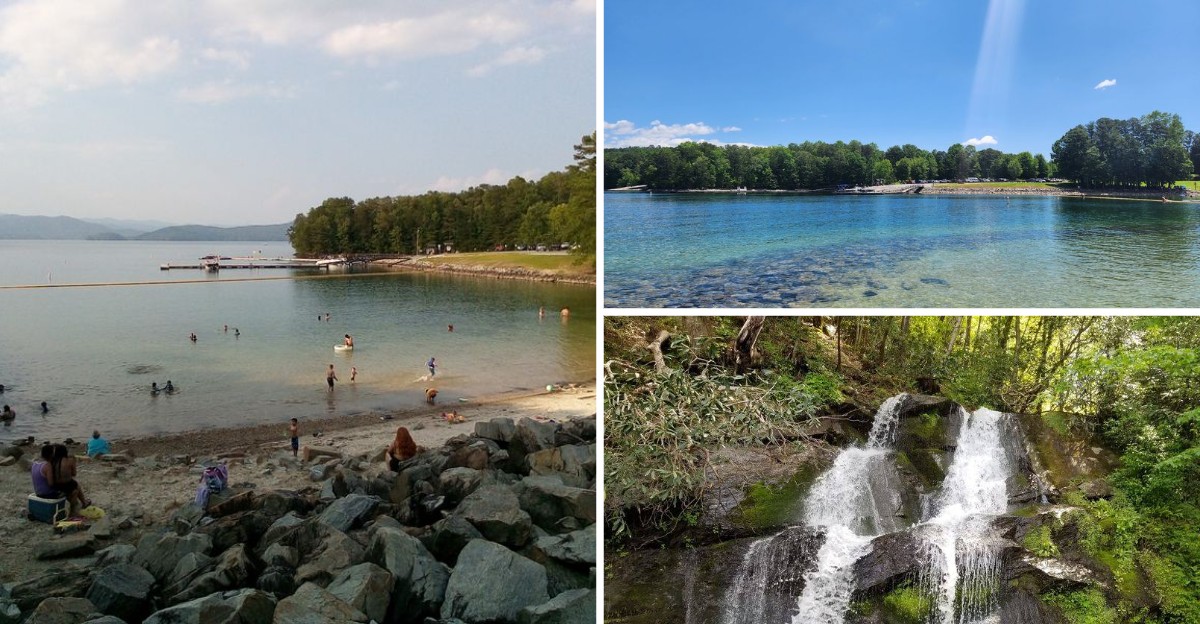
Summit Lake State Recreation Area has boat ramps on both its north and south shores, gravel fishing peninsulas, multiple docks and campsites spaced far enough apart to preserve privacy. The park has a 4.4-star rating across 371 reviews.
2
Kingdom Come State Park is Kentucky’s highest state park, sitting at about 2,700 feet on Pine Mountain. Its 1,283 acres include land designated as a state nature preserve, and the park features eight overlooks.
3
Nebraska’s lake beaches are especially quiet on weekday mornings and Thursday evenings, while weekend traffic is heaviest from Saturday afternoon through Sunday afternoon. At one reservoir, campgrounds sit directly along the water, with picnic tables, grills, restrooms and a playground nearby.
4
Scotts Bluff National Monument is free to enter and preserves 3,005 acres containing five major formations: Eagle Rock, Saddle Rock, Crown Rock, Dome Rock and Sentinel Rock. More than 250,000 emigrants passed the bluff between 1843 and 1869, and wagon ruts remain visible along an interpretive trail at Mitchell Pass.
5
Long Pine State Recreation Area covers about 153 acres, and its spring-fed creek remains near 55 degrees even during summer. The consistently cold water is a major draw for swimming, tubing and cooling off when the surrounding plains are hot.
Travelers seeking peace and quiet are discovering a string of overlooked parks across Nebraska and Kentucky that offer scenic water views, hiking, and camping without the crowds of major tourist destinations. From Travel Yahoo to local park guides, these remote retreats combine affordability with solitude—ideal for anyone tired of packed parking lots and reservation waitlists.
Summit Lake in Nebraska sits less than an hour from Omaha and boasts a 4.4-star rating across 371 reviews. In Kentucky, Kingdom Come State Park perches at 2,700 feet atop Pine Mountain, offering eight scenic overlooks across its 1,283 acres. Both destinations deliver the outdoor experience at a fraction of the cost and crowd size of name-brand parks.
Nebraska's Hidden Lakes and Recreation Areas
Summit Lake State Recreation Area combines no-wake boating, fishing, and wooded shorelines with privacy-spaced campsites and boat ramps on both north and south shores. Gravel fishing peninsulas and multiple docks give anglers easy water access. Nebraska's lake beaches stay quietest on weekday mornings and Thursday evenings—weekend traffic peaks Saturday afternoon through Sunday afternoon, making off-peak visits the key to solitude.
Long Pine State Recreation Area covers 153 acres and features a spring-fed creek that stays near 55 degrees even in summer heat. Islands notes that similar hidden lake beaches across Nebraska sit directly along the water with picnic tables, grills, and playgrounds. These spots attract far fewer visitors than commercial beach resorts while offering full camping amenities.
Kentucky's Pine Mountain Summit Park
Kingdom Come State Park claims the title of Kentucky's highest state park, standing at roughly 2,700 feet on Pine Mountain near Cumberland. Its 1,283 acres blend rugged, cool terrain with eight scenic overlooks and 14 hiking trails stretching nearly 5 miles. A 3.5-acre mountain lake sits within the park, and a 38-mile crest trail connects the landscape. Entrance is free, and much of the land holds state nature preserve status.
The park attracts relatively few visitors compared to lower-elevation destinations, giving hikers and nature photographers ample elbow room. The consistent coolness at that elevation provides relief from hotter lowland summers. Yahoo Travel highlights Kingdom Come as an underrated alternative to overcrowded national parks, where quiet overlooks and mountain views remain the norm rather than the exception.
Scotts Bluff: Free Entry to Pioneer History
Scotts Bluff National Monument in western Nebraska preserves 3,005 acres and admits visitors free of charge. The site contains five major rock formations—Eagle Rock, Saddle Rock, Crown Rock, Dome Rock, and Sentinel Rock—plus historic wagon ruts visible along the Mitchell Pass interpretive trail. Between 1843 and 1869, more than 250,000 emigrants passed the bluff along the Oregon, California, and Mormon Pioneer trails, leaving deep track marks still visible today.
The small town of Scottsbluff nearby serves as a budget-friendly base for exploring the monument and understanding westward expansion. Unlike major national parks that charge entrance fees and manage crush-level crowds, Scotts Bluff combines free access with sparse visitor traffic. Hikers can study the same landscape that pioneer wagons crossed nearly two centuries ago, making it both a history lesson and a solitary outdoor retreat.
Why Quiet Parks Appeal to Budget-Conscious Travelers
Commercial travel outlets and park agencies both note that travelers increasingly value solitude and low cost over name recognition. Crowded destinations like Yellowstone and the Great Smoky Mountains charge fees, require advance reservations months ahead, and deliver congested trails. By contrast, Nebraska's lakes and Kentucky's mountain parks offer free or low-cost camping, ample parking, and wide-open space.
These destinations work best for visitors willing to skip peak weekends. Thursday evenings and weekday mornings transform busy lake beaches into near-empty retreats. Spring and fall shoulder seasons also thin crowds significantly. For families and retirees seeking nature without chaos, quiet parks deliver genuine outdoor escape at a fraction of both the financial and time cost of bucket-list destinations.
Sentiment
Mostly NegativeNEGATIVENEUTRALPOSITIVE
Publishers
26
Articles
3
Reach
29
A
AnonymousAuthor


