Rajya Sabha, Council Polls Scheduled Across Six States
Rajya Sabha, Council Polls Scheduled Across Six States
Anonymous
Key Points
1
The outgoing Uttar Pradesh Rajya Sabha members include Union minister Hardeep Singh Puri, BJP leaders Arun Singh, Brij Lal, Banwari Lal Verma, Neeraj Shekhar, Geeta Shakya, Seema Dwivedi and Dinesh Sharma, along with Samajwadi Party leader Ram Gopal Yadav and BSP member Ramji Gautam. Naresh Bansal is the retiring member from Uttarakhand.
2
The West Bengal by-election will fill the remainder of the resigned member’s term, which runs until April 2, 2032, rather than create a new full six-year Rajya Sabha term.
3
Candidates may withdraw their nominations until October 9, and the Rajya Sabha election process is required to be completed by October 19.
4
The Election Commission directed officials to provide specified integrated violet-colour sketch pens, which must be used to mark voter preferences on Rajya Sabha ballot papers.
5
The 28 Legislative Council seats comprise 11 in Uttar Pradesh—five Graduates’ and six Teachers’ constituencies—eight in Bihar, five in Maharashtra and four in Karnataka, with each state’s seats divided between those two constituency categories.
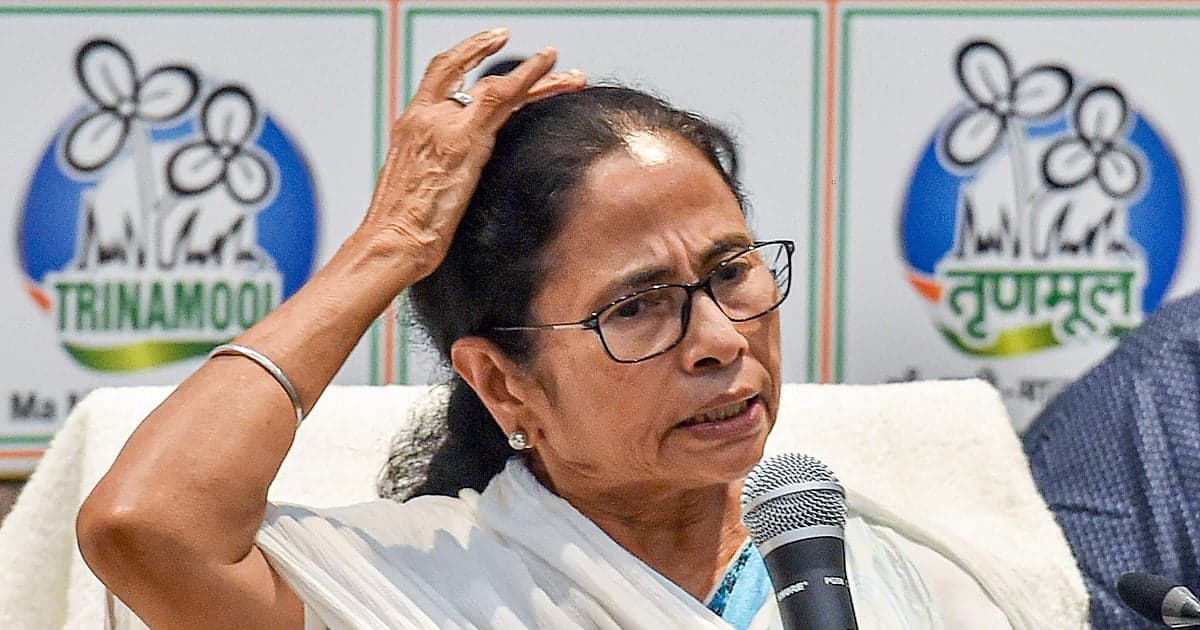
India's Election Commission has scheduled biennial elections for 11 Rajya Sabha seats across three states on October 16. The contests will fill vacancies in Uttar Pradesh (10 seats), Uttarakhand (1 seat), and West Bengal (1 by-election seat following Trinamool Congress MP Rukmini Mallik's resignation). Free Press Journal reports that notifications will be issued September 29, with voting set for October 16 and counting beginning at 5 p.m. that same day.
The Election Commission is also conducting a separate election cycle. Voters across Bihar, Karnataka, Maharashtra, and Uttar Pradesh will cast ballots for 28 Legislative Council seats on October 23. Deccan Chronicle notes these 28 positions are divided between graduates' and teachers' constituencies in the four states.
Major Vacancies Among BJP and Opposition Leaders
The 10 retiring Uttar Pradesh members represent a mix of ruling and opposition parties. Hindustan Times reports that Union Minister Hardeep Singh Puri and seven other BJP leaders—Arun Singh, Brij Lal, Banwari Lal Verma, Neeraj Shekhar, Geeta Shakya, Seema Dwivedi, and Dinesh Sharma—are stepping down after their terms expire November 25. The bloc also includes Samajwadi Party leader Ram Gopal Yadav and BSP member Ramji Gautam.
Economic Times projects the BJP will retain eight of its ten Uttar Pradesh seats, while the Samajwadi Party eyes gains and the BSP faces potential exit from the chamber. Naresh Bansal's retirement from Uttarakhand accounts for the eleventh seat.
Timeline: Nominations Close October 6, Scrutiny October 7
The Election Commission has set a tight schedule for the Rajya Sabha contests. Nominations must be filed by October 6, scrutiny of papers occurs October 7, and candidates may withdraw until October 9. PTC News confirms the entire process must conclude by October 19, three days after polling.
The West Bengal by-election is special: it will fill the remainder of the resigned member's term through April 2, 2032—not create a fresh six-year seat. This keeps the Rajya Sabha's staggered retirement schedule intact for that state.
Legislative Council Races Span Four States on October 23
The Election Commission is simultaneously managing Legislative Council polls in four states. Uttar Pradesh has 11 seats (five Graduates', six Teachers' constituencies), Bihar has eight, Maharashtra has five, and Karnataka has four. All 28 seats divide between the two constituency types specific to each state.
The commission directed officials to use specified integrated violet-colour sketch pens for marking voter preferences on all Rajya Sabha ballot papers. This standardization ensures consistency across polling locations and simplifies the counting process when tallies begin October 16 at 5 p.m.
Sentiment
Mostly NegativeNEGATIVENEUTRALPOSITIVE
Publishers
24
Articles
11
Reach
35
Topics
A
AnonymousAuthor