Labor Deal and Settlement
WestJet flight attendants ratify new contract as airline settles harassment class-action lawsuit
Anonymous
Key Points
1
The tentative contract includes a specific wage-increase schedule: 13% in October this year, then 2.75% in January 2027 and 2.5% in January 2028, pushing total increases to over 18% across three years.
2
BC harassment settlement: more than 3,400 current and former WestJet female flight attendants are covered; eligible claimants could receive about $470; the settlement applies to work from April 2014 to February 2021, and an online claims portal will be opened; the agreement does not admit liability.
3
The ratification voting window was a week-long period opened August 17 and closing August 24 at 2 p.m. MT, with the union recommending members vote in favour.
4
The disruption involved roughly 4,400 WestJet flight attendants, including a one-day strike on Aug. 2 and a lockout that paused much of the airline’s flying while operations were wound down, before restoration began after the tentative agreement.
5
Union leadership described the tentative deal as 'meaningful progress' and noted it improves WestJet’s legacy flight-credit system by recognizing more of the work cabin crew perform.
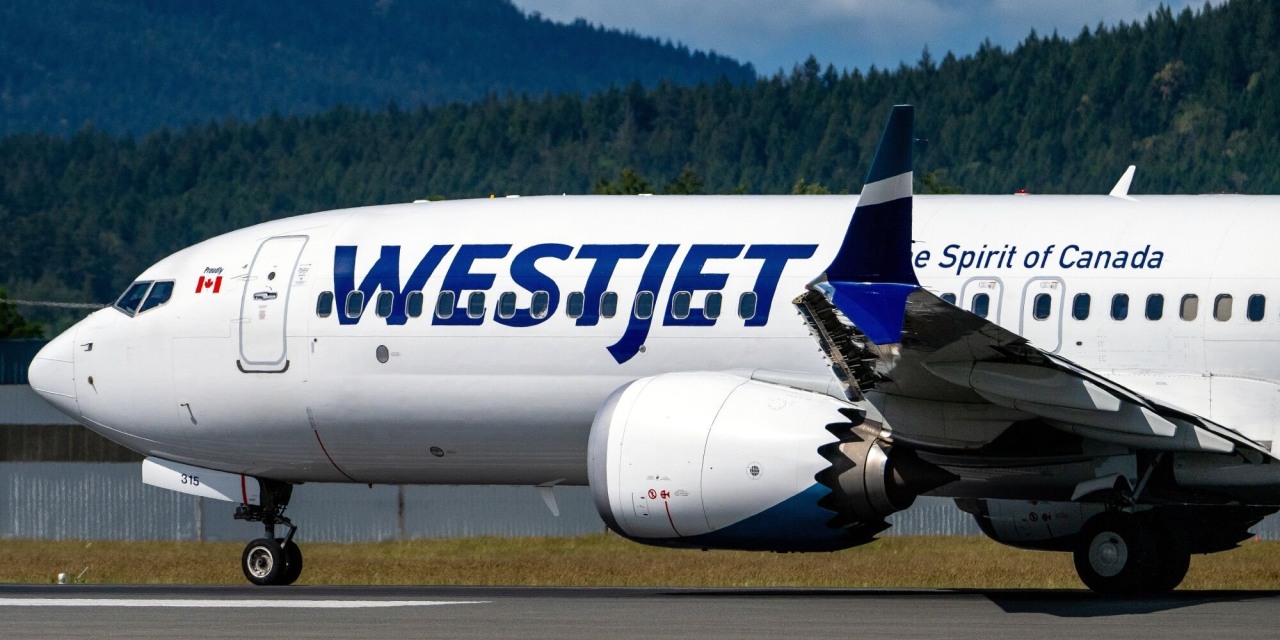
WestJet's flight attendants have ratified a new three-year contract with overwhelming support, ending a summer labor disruption that included a one-day strike and airline-wide lockout. In a vote with 92.7% turnout, Castanet reported that 90.2% of the roughly 4,400 CUPE Local 8125 members voted in favor of the tentative deal, which includes wage increases totaling more than 18% over three years along with new premiums, better scheduling, and enhanced protections.
The agreement also comes alongside a separate newswire report of a $4.5 million settlement approved in British Columbia covering workplace harassment claims from more than 3,400 current and former female WestJet flight attendants. Eligible claimants could receive around $470 each under the settlement, which covers incidents from April 2014 to February 2021 but includes no admission of liability from the airline.
How the Wage Deal Breaks Down Over Three Years
Flight attendants will see an immediate 13% wage bump when the contract takes effect this October, Castanet reported. Two smaller increases follow: 2.75% in January 2027 and 2.5% in January 2028. Together, these push total wage growth past 18% across the three-year period, marking the union's main financial victory.
Beyond wages, the deal adds a new Duty Period Premium for ground work and improves how the airline counts flight-attendant work in its legacy credit system. Union leaders called it 'meaningful progress' that recognizes more of the work cabin crew perform daily.
New Perks: Time Off, Flexibility, and Rest
The contract delivers wins on quality-of-life issues that ranked high for workers. Flight attendants gained increased time off, higher allowances, more flexible shift trades, and greater rest periods between flights. The agreement also reduces the maximum number of flight segments and strengthens protections for reserve crew members.
Sick-leave banking also improved, giving attendants more control over time away when ill. These changes reflect crew demands to reduce fatigue and burnout in a demanding role.
BC Harassment Settlement Covers 3,400 Female Flight Attendants
A separate class-action settlement in British Columbia addresses workplace harassment spanning seven years. newswire reported that the $4.5 million deal covers more than 3,400 current and former female WestJet attendants who worked from April 2014 through February 2021. An online claims portal will open so eligible workers can seek their share.
The settlement stems from a 2016 lawsuit launched by Mandalena Lewis, who described a traumatic 2010 incident involving a pilot. The airline made no admission of liability in the agreement, but the deal signals an effort to address long-standing workplace culture concerns at the carrier.
The Strike and Lockout That Forced the Negotiation
The ratification vote capped a turbulent summer. On August 2, flight attendants staged a one-day strike, followed by an airline-wide lockout that suspended most of WestJet's operations. The disruption lasted until union and management reached a tentative deal, after which WSJ noted that flight restoration began.
The voting window ran from August 17 to August 24 at 2 p.m. MT. Union leadership recommended members vote yes, signaling confidence in the package. The high approval rate—90.2%—suggests broad membership satisfaction after weeks of tension.
Sentiment
Mostly NegativeNEGATIVENEUTRALPOSITIVE
Publishers
14
Articles
166
Reach
180
A
AnonymousAuthor


