DMZ Landmine Blast Injures Soldiers
South Korea Concludes North Korea Deliberately Planted DMZ Mines Injuring Soldiers
Anonymous
Key Points
1
The military said the mines contained TNT and thermosetting resin, while fragments recovered from the injured soldiers matched North Korean plastic antipersonnel mines previously found in the Imjin River.
2
GPS measurements placed both blast sites and the location of another mine about 10 meters south of the Military Demarcation Line, evidence the JCS said suggested the mines had been planted there rather than washed south by floods.
3
The JCS said the mines were planted under the pretext of North Korea’s so-called border-fortification work.
4
The 1950–53 Korean War Armistice Agreement prohibits hostile acts within, from or against the DMZ and bars unauthorized crossings of the border.
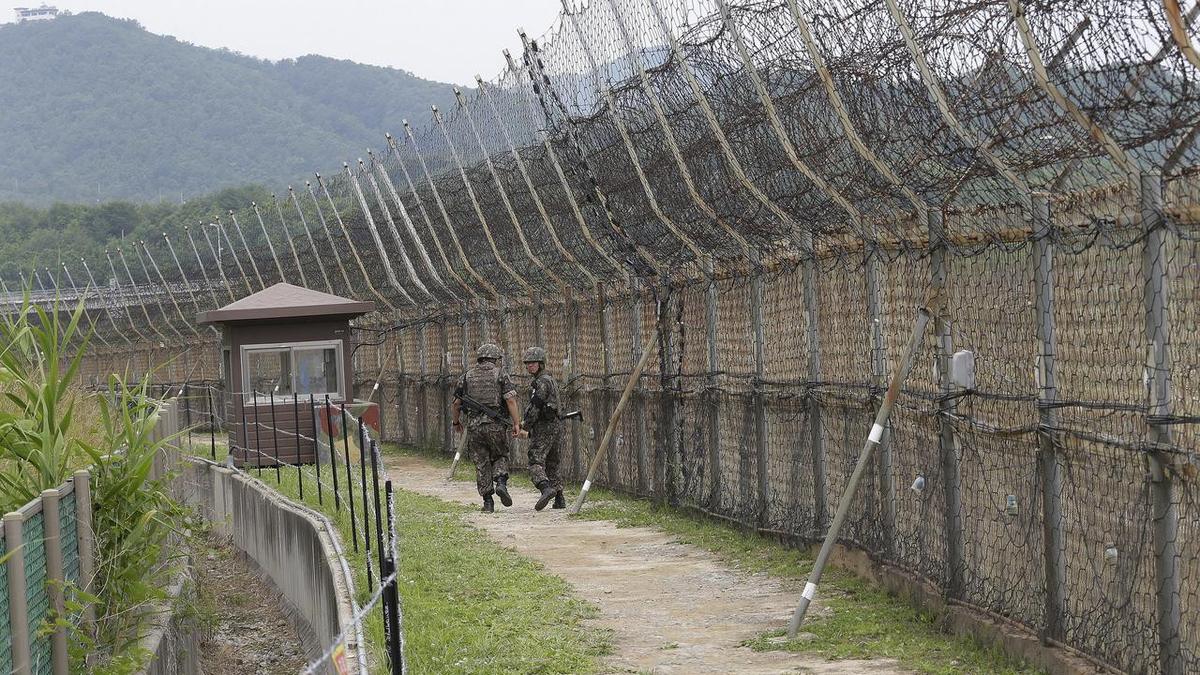
South Korea's military concluded that North Korea deliberately planted antipersonnel mines south of the Military Demarcation Line in the DMZ, based on a joint investigation with the U.N. Command and forensic evidence SCMP. Three South Korean soldiers were injured during a routine operation on September 21; two remain hospitalized with serious injuries. Seoul removed additional mines near the blast site and urged North Korea to apologize and dismantle the weapons Korea JoongAng Daily.
The investigation found that mines contained TNT and thermosetting resin, with fragments matching North Korean plastic antipersonnel mines previously discovered in the Imjin River Perth Now. GPS measurements placed both blast sites about 10 meters south of the Military Demarcation Line, suggesting the mines were deliberately planted rather than washed south by floods.
Forensic Evidence Points to Deliberate Planting
South Korea's Joint Chiefs of Staff said the mines contained TNT and thermosetting resin SCMP. Fragments recovered from the injured soldiers matched North Korean plastic antipersonnel mines previously found in the Imjin River. The forensic match gave investigators strong evidence of North Korea's direct involvement in the September 21 blast.
GPS measurements placed both blast sites and a third mine about 10 meters south of the Military Demarcation Line Korea JoongAng Daily. This precise positioning suggested deliberate placement rather than accidental southward drift during flooding. The JCS said North Korea planted the mines under the pretext of border-fortification work begun in April 2024.
Seoul Demands Accountability and Mine Removal
South Korea urged North Korea to apologize and remove the remaining mines from the DMZ SCMP. Seoul warned it would continue clearance operations in the zone if the North refuses to act. The mining represents a serious violation of the 1950–53 Korean War Armistice Agreement, which prohibits hostile acts and unauthorized border crossings.
Two of the three wounded soldiers remain hospitalized with serious injuries Korea JoongAng Daily. South Korean forces cleared the minefield following the investigation's conclusion. The incident marks an escalation in tensions along one of the world's most heavily fortified borders.
North Korea's Year-Long Border Fortification Campaign
North Korea has been fortifying its border with South Korea since April 2024 Perth Now. The country deployed thousands of workers to install mines and fences as part of a broader defensive buildup. The mine planting under cover of this fortification work reflects an aggressive shift in North Korea's border posture.
Sentiment
Mostly NegativeNEGATIVENEUTRALPOSITIVE
Publishers
21
Articles
150
Reach
171
A
AnonymousAuthor


