South Sudan Dissolves Transitional Government Ahead of Elections
South Sudan Dissolves Transitional Government Ahead of Elections
Anonymous
Key Points
1
The dissolution also removes all 35 national ministers and their deputies, the Transitional National Legislative Assembly, the Council of States, the governors of South Sudan’s 10 states and the chief administrators of three administrative areas.
2
Election preparations include establishing National Elections Commission headquarters and offices in every state, beginning public voter-education efforts and assessing registration centres, in addition to registering about 39 political parties.
3
The latest political crisis followed a February 2025 offensive by the White Army militia in Nasir, Upper Nile state, near Ethiopia; the militia briefly seized the town, prompting government action against Machar’s organization, which accused authorities of violating the 2018 peace agreement.
4
Kiir announced the decision at an expanded presidency meeting attended by the five vice presidents, political-party leaders, presidential advisers, ministers and other senior officials, and cited a Dec. 10, 2025 agreement by political leaders to avoid another extension of the transition.
5
The electoral amendments were framed as implementing a legal requirement that national and state governments, assemblies and the national legislature be dissolved within three months of polling, while allowing the incumbent president to remain in office with constitutional powers during the election period.
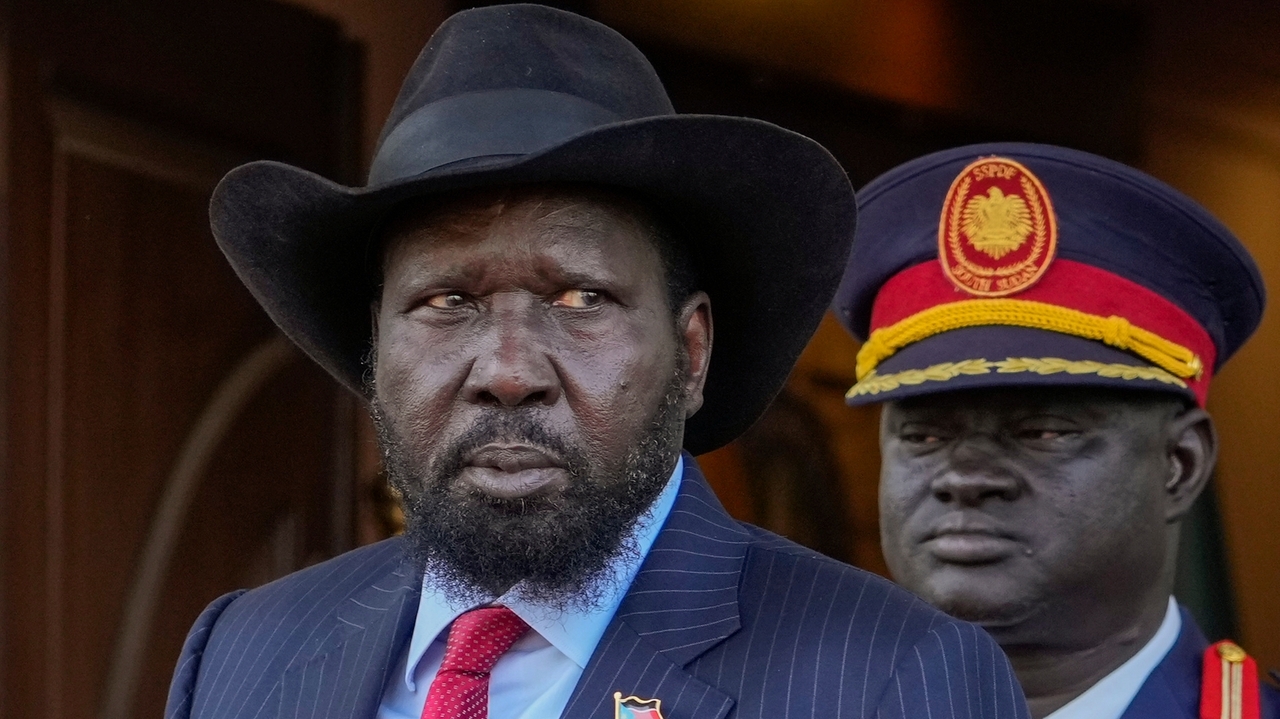
South Sudan President Salva Kiir dissolved the entire transitional government on December 10, 2025, removing his vice presidents, all 35 ministers, and the national legislature ahead of elections scheduled for December 22, 2026 WTOP. Kiir remains in office with a caretaker administration while the country prepares for its first general elections since the 2018 peace agreement ended years of civil war.
The move strips power from First Vice President Riek Machar and eliminates the entire transitional structure set up under the peace deal Newsday. Electoral law changes now allow elections to proceed without completing a permanent constitution or conducting a national census, clearing major obstacles that delayed voting for years.
What Happens to South Sudan's Government Now
Kiir dissolved all key institutions in one sweeping decision WRAL. This includes the Transitional National Legislative Assembly, the Council of States, all 10 state governors, and administrators of three administrative areas. The 35 national ministers and their deputies also lost their posts.
A caretaker administration will run the country until voters choose a new government in roughly 12 months Winnipeg Free Press. Kiir retained presidential authority with constitutional powers during the election period, a legal framework that electoral amendments officially created to manage the transition.
Election Machinery Moves Forward Across the Country
South Sudan has already registered about 39 political parties preparing to compete Houston Chronicle. The National Elections Commission is building headquarters and opening offices in every state to coordinate voting logistics and conduct voter education campaigns.
Commission staff are assessing voting centers and preparing infrastructure nationwide. These steps represent real progress after years of delays that pushed elections back repeatedly since the 2018 peace agreement first promised quick democratic transitions.
Machar's Detention Casts Shadow Over Peace Agreement
First Vice President Riek Machar has been detained since March 2025 after authorities accused him of threatening state security WTOP. His removal from the transitional government formalizes a political split that widened after a February 2025 militia offensive in Nasir, Upper Nile state, near the Ethiopian border briefly seized the town.
Machar's organization claimed authorities violated the 2018 peace agreement through their response to the White Army militia attack. Despite these tensions, Kiir announced that political leaders agreed on December 10 to stop extending the transition and move forward with the 2026 elections as planned.
Legal Changes Remove Election Barriers
Electoral law amendments eliminated two key requirements: finishing a permanent constitution and completing a national census before voting Newsday. These changes were framed as implementing a constitutional provision requiring governments and legislatures to dissolve within three months of elections.
The amendments allow Kiir to remain president with full constitutional powers while elections take place. Political leaders committed on December 10 to reject any future extension of the transition period, signaling resolve to hold elections on schedule after years of repeated delays.
Sentiment
Mostly NegativeNEGATIVENEUTRALPOSITIVE
Publishers
24
Articles
74
Reach
98
Topics
A
AnonymousAuthor


