Agrarian Voice and Environmental Champion
Renowned Kentucky author and environmentalist Wendell Berry dies at 92.
Anonymous
Key Points
1
Berry died on Monday, August 31, 2026, at his Port Royal home; his daughter Mary Berry confirmed the death to The New York Times.
2
Berry’s family roots in tobacco farming include his father, John M. Berry, co-founding the Burley Tobacco Growers Co-Op in the 1940s, a cooperative that stabilized prices and provided parity for small farmers from 1941 to 2004.
3
Silas House, a fellow Kentucky writer, described Berry as generous with his time and words, complex, brilliant and revolutionary in his influence on others.
4
Berry was part of Kentucky’s so-called ‘Fab Five’—a circle that included Bobbie Ann Mason, Gurney Norman, James Baker Hall and Ed McClanahan.
5
Educational path and early career: Berry earned bachelor’s and master’s degrees in English from the University of Kentucky and was accepted into Stanford University’s Wallace Stegner Fellowship; he worked with writers such as Larry McMurtry, Ken Kesey and Ed McClanahan.
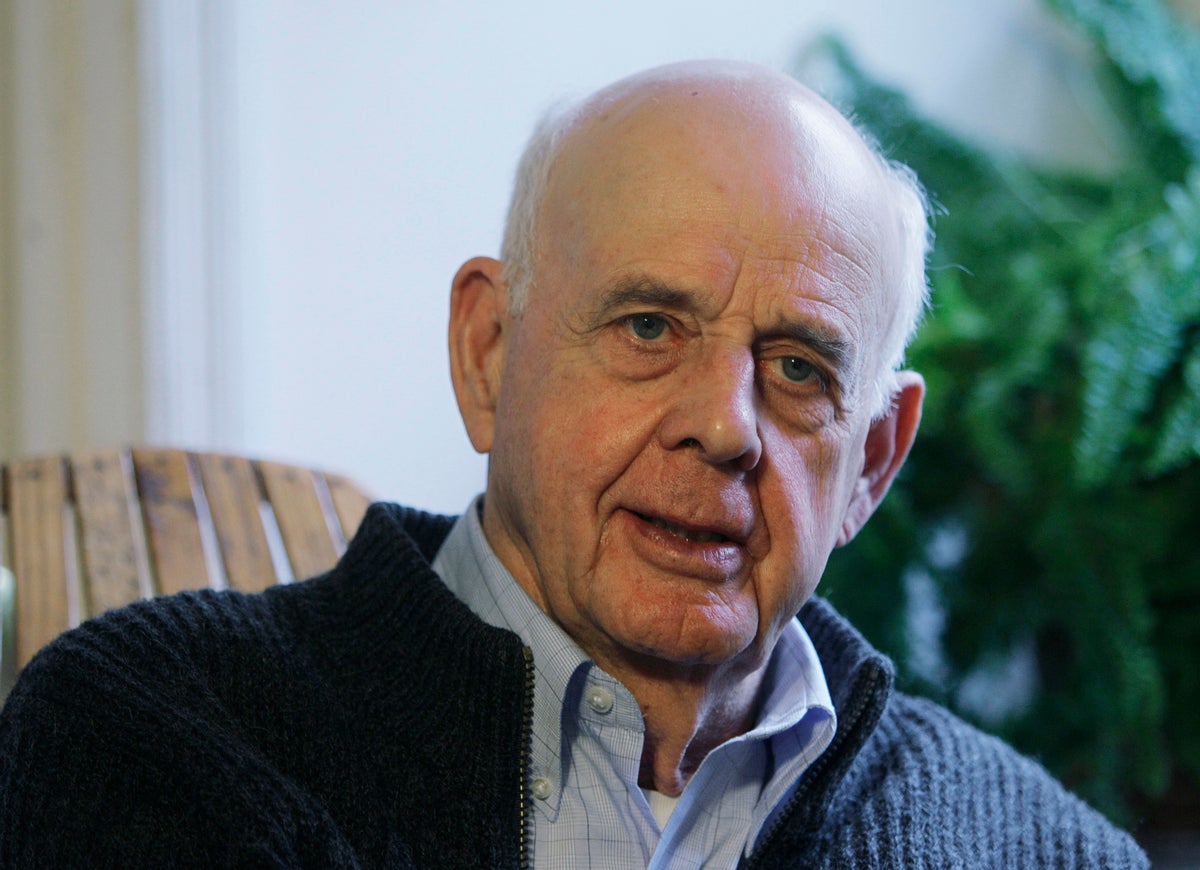
Wendell Berry, the Kentucky writer and farmer who spent six decades warning America about the dangers of industrial agriculture, died Monday at his home in Port Royal. He was 92. The New York Times confirmed the death through his daughter, Mary Berry. Berry's prolific work — over 40 books of fiction, poetry, and essays — helped spark the modern sustainable farming movement and made him a hero to environmentalists, small farmers, and readers seeking alternatives to modern life.
For more than 50 years, Berry wrote from his Henry County farmhouse, exploring how communities fall apart when they lose connection to the land. His essays challenged American consumerism and corporate farming. His novels followed fictional Port William, Kentucky — a town where neighbors knew each other and depended on one another. The Independent noted that Berry "celebrated his home state's farming communities while warning of the excesses of an industrialised society."
A Farm Boy Who Became a Prophet of Agrarian Life
Berry grew up watching his father, John M. Berry, help found the Burley Tobacco Growers Co-Op in the 1940s. That cooperative stabilized prices for small tobacco farmers from 1941 to 2004 — a lesson in how communities could resist corporate power through collective action. Berry never forgot this model. He earned two degrees in English from the University of Kentucky, then studied at Stanford's prestigious Wallace Stegner Fellowship alongside writers like Ken Kesey and Larry McMurtry. But he chose to return to Kentucky and live as a farmer-writer rather than chase fame in cities.
Berry published his most influential book, "The Unsettling of America," in 1977. The essay collection attacked industrial agriculture for destroying soil, poisoning water, and breaking apart rural communities. "The Gift of Good Land" followed, deepening his call for small-scale, local farming. news.ssbcrack.com reported that Berry wrote "over 40 books, including novels and essays, and poetry." These works became bibles for the organic farming and local food movements.
Port William Taught Readers What Community Means
Berry's fiction imagined a different America. His Port William series — novels and stories spanning decades — showed a Kentucky town where farmers worked together, families stayed rooted, and generational knowledge passed down. Characters struggled with poverty and hard labor, but they had what modern America had lost: belonging. Berry wrote that humans need "the peace of wild things" and relationships to soil, crops, and neighbors to live meaningful lives.
Fellow Kentucky writer Silas House called Berry "generous with his time and words, complex, brilliant and revolutionary in his influence." House was one of many younger writers Berry mentored. Berry was part of Kentucky's literary circle — the "Fab Five" with Bobbie Ann Mason, Gurney Norman, James Baker Hall, and Ed McClanahan — but he remained the most focused on land and nature. His poetry and essays reached readers who never farmed but felt alienated from the modern world.
A Voice Rural America Listened To for Decades
Berry's warnings about environmental destruction and rural decline proved prophetic. As industrial farming spread, topsoil eroded, chemicals poisoned groundwater, and small farms disappeared. As corporate consolidation accelerated, rural communities withered. Young people left for cities. Berry had predicted this collapse in the 1970s and called for farmers to resist through cooperation, conservation, and pride in their work. His message resonated across generations — from 1970s counterculture to 2020s climate activists.
Berry's ideas generated controversy. Some criticized him for romanticizing farm life and ignoring how hard and economically fragile it could be. Others said his critiques of progress were nostalgic. But even critics respected his integrity: he lived what he preached, farming his own land while writing. He rejected celebrity and stayed in rural Kentucky when he could have moved to New York or California. At 92, Berry left behind a body of work that shaped how millions think about food, farming, and what makes life worth living.
Sentiment
Mostly NegativeNEGATIVENEUTRALPOSITIVE
Publishers
11
Articles
186
Reach
197
A
AnonymousAuthor


