Oil Markets Ease
Oil Prices Decline as OPEC+ Boosts Output Amid U.S.-Iran Diplomatic Deal Speculation
Anonymous
Key Points
1
OPEC+ approved a September production increase of about 188,000 barrels per day, contributing to the price pullback.
2
Brent fell roughly 6% to about $82.41 and WTI around $79.40 as markets priced in diplomacy over Iran and the possibility of easing disruptions.
3
Trump said the proposed U.S.-Iran deal would include the immediate, complete, and total opening of the Hormuz Strait.
4
U.S. equity futures rose on risk-on sentiment, with S&P 500 futures up about 0.4% and Nasdaq futures up about 0.6%.
5
Market-implied odds of crude reaching a new all-time high by September 30 dropped to roughly 4.8%, with about 12.5% odds by year-end.
Oil prices tumbled sharply after President Donald Trump canceled planned U.S. strikes against Iran and signaled a nuclear deal was close. Brent crude fell about 6% to $82.41 per barrel, while WTI dropped to around $79.40, according to Freedom 96.9 and Tri-City Herald.
The selloff came as two forces hit oil at once. Trump's diplomatic pivot slashed the geopolitical risk premium baked into prices. At the same time, OPEC+ approved a production increase of roughly 188,000 barrels per day for September, adding more supply to the market.
Trump Halts Iran Strikes, Chases Nuclear Deal
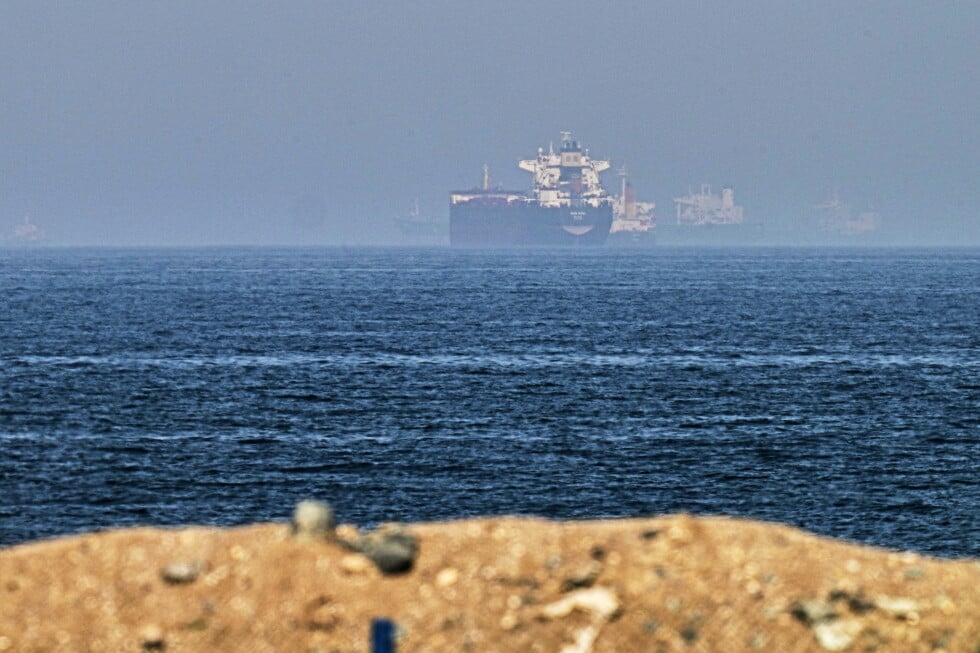
Trump ordered U.S. forces to stand down on fresh strikes against Iran, saying a deal to end the conflict was "imminent," according to Freedom 96.9. He said any agreement would include the "immediate, complete, and total opening" of the Strait of Hormuz — the narrow waterway that carries roughly 20% of the world's oil supply.
Oil traders reacted fast. Prices fell $4 a barrel within hours of Trump's announcement, according to KELO. The drop reflected a sharp fall in what traders call the "risk premium" — the extra cost built into prices when war or disruption threatens supply. With diplomacy on the table, that cushion deflated quickly.
OPEC+ Output Hike Piles More Pressure on Prices
The diplomatic news alone did not cause the full drop. OPEC+, the group of major oil-producing nations, agreed to raise output by about 188,000 barrels per day starting in September. More supply coming to market pushes prices down, and the timing amplified the sell-off already driven by easing Iran tensions.
Together, the two forces — reduced war risk and higher supply — pushed Brent and WTI to their steepest single-day losses in weeks. Discovery Alert noted that the 4%-plus drop in one session exposed just how much geopolitical fear had been inflating crude prices in recent days.
Hormuz Strait at Center of Market Anxiety
The Strait of Hormuz is a critical chokepoint for global oil. If it were blocked or disrupted, supply to Europe and Asia could drop dramatically and prices could spike. Trump's insistence that any Iran deal must reopen the strait fully showed how central it is to energy markets, according to KELO.
Markets responded to the potential reopening with relief. A clear Hormuz passage means steady oil flows, lower shipping risk, and no supply shock. Traders priced that relief in immediately, pushing down the odds of crude hitting a new all-time high by September 30 to just 4.8%, with about 12.5% odds by year-end.
Stocks Rise as Energy Fear Fades
While oil fell, U.S. stock futures climbed on the improved outlook. S&P 500 futures rose about 0.4% and Nasdaq futures gained roughly 0.6%. Investors shifted into a "risk-on" mood — meaning they felt safer buying stocks and pulling back from safe-haven bets driven by war fears, according to SSB Crack News.
Analysts warn the calm could be short-lived. A deal with Iran is not yet signed, and tensions in the Middle East can shift fast. If diplomacy breaks down, risk premiums could surge back into oil prices and stocks could reverse. For now, markets are betting on diplomacy winning out.
Sentiment
Mostly NegativeNEGATIVENEUTRALPOSITIVE
Publishers
17
Articles
140
Reach
157
A
AnonymousAuthor


