Inquests Examine Institutional Failures
Inquests Examine Police and Health Service Actions in Exeter Killings and Care Home Death
Anonymous
Key Points
1
After Burgess’s condition deteriorated, he was hospitalized and treated for a urinary tract infection; although doctors later recommended discharge, his care home refused to readmit him, leaving him in hospital while another placement was sought.
2
Lewis-Ranwell was released from Barnstaple police station at 2:49 a.m. on February 9, then returned seven hours later after attacking farmer John Ellis with a saw.
3
Although a force medical examiner did not recommend a Mental Health Act assessment, Lewis-Ranwell was supposed to be seen by a mental-health nurse the following morning; the inquest heard that this assessment did not take place before he was released on February 10.
4
Lewis-Ranwell was later found not guilty of murder by reason of insanity and detained indefinitely in a psychiatric unit; although listed as an interested person in the inquests, he is not participating or legally represented.
Inquests in Exeter are examining two separate cases that exposed potential failures in police and health services. A 92-year-old dementia patient died after officers used a Taser, baton, and PAVA spray on him within 60 seconds of arriving at his care home. In a second inquest, a man killed three elderly pensioners in hammer and shovel attacks just hours apart—attacks that occurred after he was released from custody despite warning signs of severe mental illness.
The cases raise urgent questions about how police and healthcare workers assess and manage vulnerable people in crisis situations. Both inquests focus on whether earlier interventions or different decisions could have prevented tragedy.
Rapid police response to elderly man holding knife
Police arrived at Park Beck Residential Care Home in St Leonards after staff called them about Donald Burgess refusing to drop a small serrated knife. Within just over 60 seconds, officers used a Taser on the 92-year-old man, who was a wheelchair user with one leg and had dementia. They also struck him with a baton and sprayed him in the face with PAVA spray. Express reported that Burgess told officers he was dying after the encounter.
Burgess was hospitalized when his condition deteriorated. Doctors treated him for a urinary tract infection and later recommended he be discharged. But his care home refused to readmit him, leaving him stuck in hospital while staff searched for another placement. The inquest is examining whether the police response played a role in his death.
Three pensioners attacked within three hours
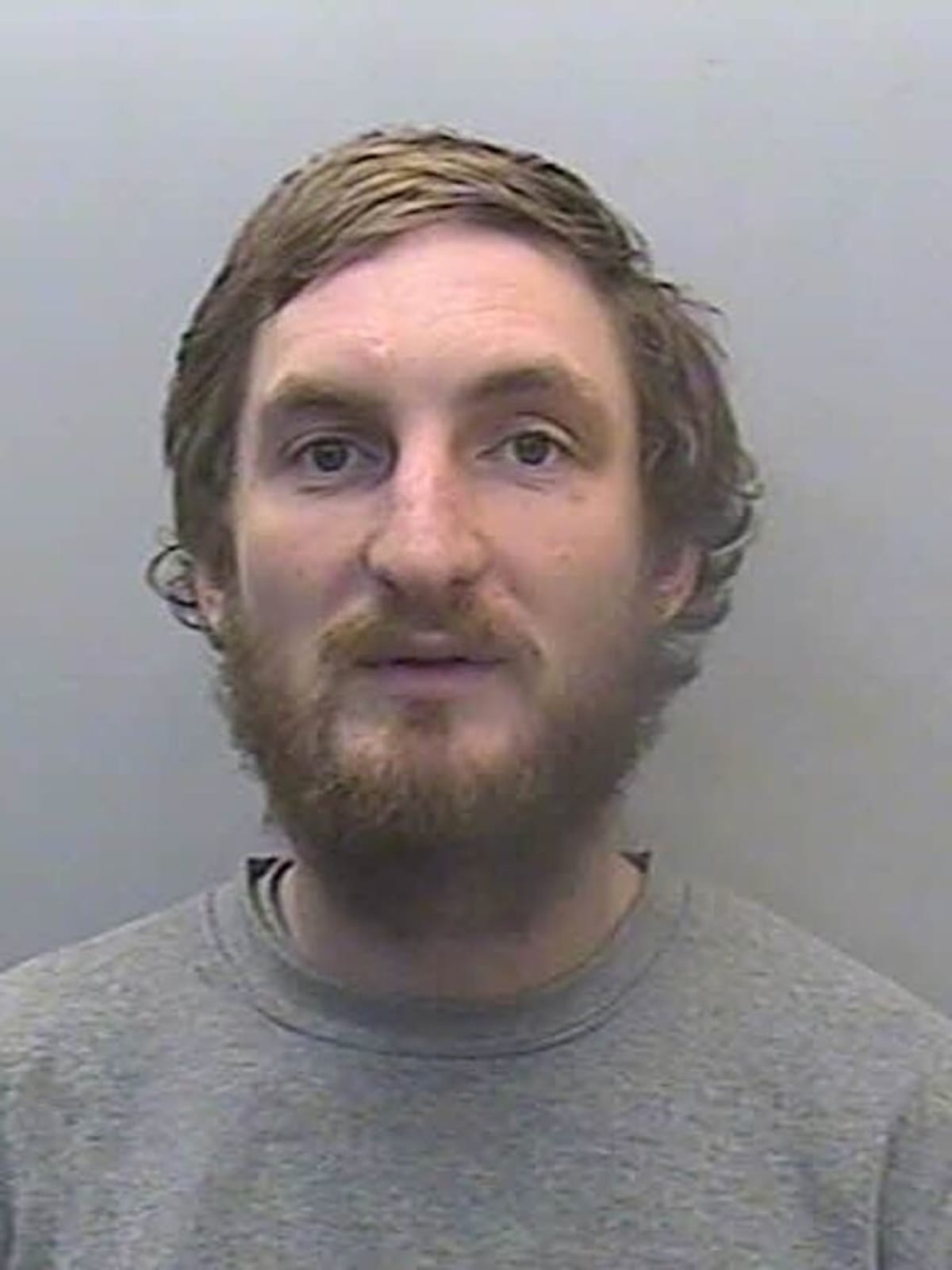
Alexander Lewis-Ranwell killed three elderly residents in Exeter on February 10, 2019, using a hammer and a shovel. Daily Mail reported that he attacked 80-year-old Anthony Payne with a hammer, then killed identical twins Dick and Roger Carter, both 84, in separate attacks roughly 1.5 miles apart. The three attacks unfolded over approximately three hours.
The violence came just hours after Lewis-Ranwell was released from custody. AOL noted that he had been arrested for attempted burglary and for attacking elderly farmer John Ellis with a saw. While detained, Lewis-Ranwell displayed severe aggression, damaged prison cells, and tried to seize an officer's Taser.
Mental health assessment never took place
Lewis-Ranwell was released from Barnstaple police station at 2:49 a.m. on February 9. He was arrested again seven hours later after attacking farmer Ellis with a saw. A police medical examiner did not recommend a Mental Health Act assessment, but Lewis-Ranwell was supposed to be evaluated by a mental-health nurse the next morning before his release.
The inquest heard that the scheduled mental-health assessment did not happen before Lewis-Ranwell was released on February 10—the same day he killed the three pensioners. He was later found not guilty of murder by reason of insanity and detained indefinitely in a psychiatric hospital. Daily Mail reported that Lewis-Ranwell is listed as an interested person in the inquests but is not participating or legally represented.
Inquests examine systemic gaps in crisis response
Both cases highlight potential breakdowns in how police and health services work together to protect vulnerable people. In Burgess's case, rapid police force was used on a frail elderly man who posed minimal threat. In Lewis-Ranwell's case, a mental-health assessment was missed before releasing a person who had just attacked someone with a weapon.
Senior coroner Philip Spinney is overseeing the inquests into all three pensioner deaths. The investigations aim to determine whether different decisions or procedures might have prevented these tragedies and what safeguards should exist to catch people in crisis before harm occurs.
Sentiment
Mostly NegativeNEGATIVENEUTRALPOSITIVE
Publishers
16
Articles
11
Reach
27
Topics
A
AnonymousAuthor


