President Aoun Visits South
Lebanese President Joseph Aoun Visits Southern Front Amid Renewed Israeli Strikes
Anonymous
Key Points
1
President Joseph Aoun praised staff at Nabatiyeh Governmental Hospital for risking their lives to continue providing medical services in an area from which most residents have fled.
2
A resident told Aoun that people wanted to feel secure and know that their children were safe after being displaced and humiliated; Aoun responded that the state would address their needs “so that you stay here.”
3
The destruction of the Ali al-Taher fortifications produced a tremor detected by seismic-monitoring agencies, underscoring the scale of the explosion.
4
The latest Israel-Hezbollah war killed more than 4,000 people in Lebanon and displaced more than 1 million; hundreds of thousands have since returned to homes in southern Lebanon and Beirut’s southern suburbs following the ceasefire.
5
The current escalation followed an earlier breakdown in the security situation: Hezbollah fired rockets into Israel on March 2, two days after the United States and Israel launched a war on Iran, while Israel continued airstrikes and Hezbollah later launched explosive drones without claiming responsibility.
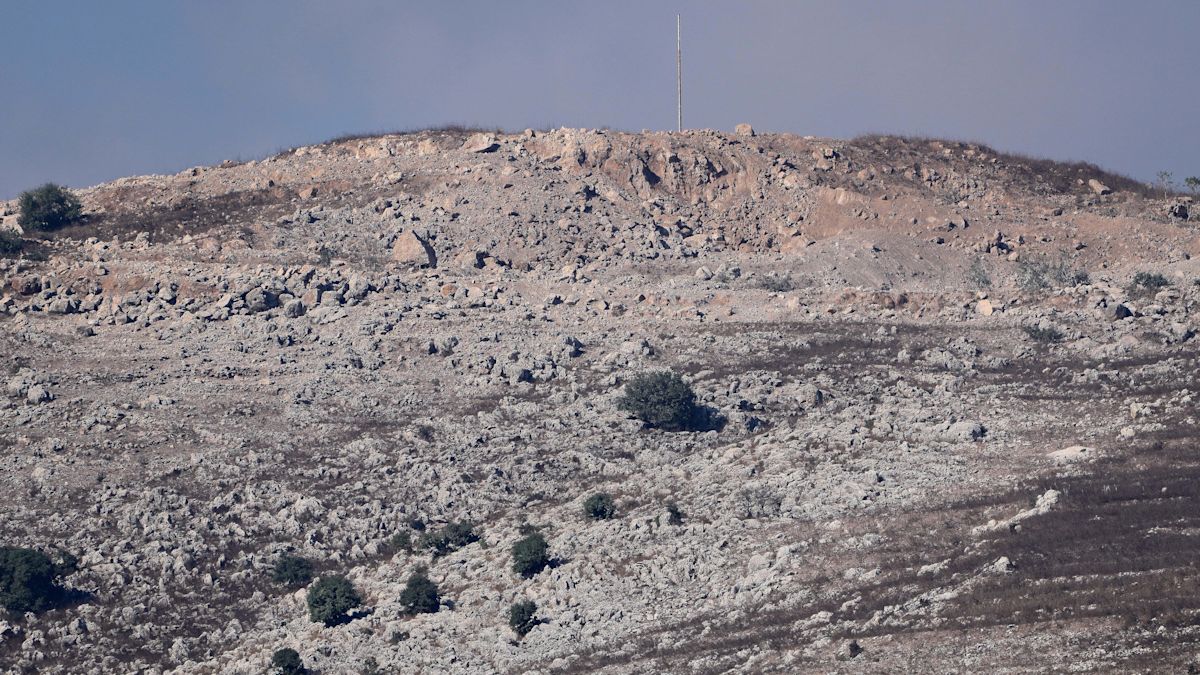
Lebanese President Joseph Aoun made an unannounced visit to Nabatiyeh in southern Lebanon to stand with residents and medical workers facing renewed Israeli strikes Washington Post. The trip came days after Israel destroyed underground Hezbollah fortifications on nearby Ali al-Taher ridge, a blast so massive it triggered seismic detectors Belfast Telegraph. At least 29 people have died in recent Israeli operations in the region.
Aoun told hospital staff they were risking their lives to help a largely abandoned population. He promised the state would meet residents' needs so they could return home and feel safe Head Topics. But the visit underscores deep tensions: the U.S.-brokered ceasefire framework demands Hezbollah's disarmament and Israeli withdrawal, yet the next talks won't happen until October, and Hezbollah refuses direct negotiations with Israel.
Israel's Demolition of Strategic Hezbollah Stronghold
Israeli forces captured and destroyed an extensive underground complex on Ali al-Taher ridge, a key Hezbollah position in southern Lebanon Yahoo Canada. The explosion was so powerful that seismic monitoring agencies detected tremors across the region. The operation signals Israel's intent to maintain control of southern Lebanon and eliminate militant infrastructure despite the ceasefire.
Devastating Toll on Lebanon's Civilian Population
The latest Israel-Hezbollah war killed more than 4,000 people in Lebanon and forced over 1 million to flee their homes Myanmar IT}. Hundreds of thousands have since returned to southern Lebanon and Beirut's southern suburbs after the ceasefire took hold. Yet residents in Nabatiyeh remain fearful, with most still displaced from their neighborhoods as fresh Israeli operations continue.
One resident told Aoun they wanted their children to feel secure and not be humiliated by displacement. Aoun said the government would support their return. The scale of loss and displacement reflects how the war devastated ordinary Lebanese families, with little certainty about lasting peace.
U.S. Ceasefire Plan Stalls Amid Continued Hostilities
The U.S.-brokered framework requires three things: Israeli withdrawal from southern Lebanon, Hezbollah's disarmament, and deployment of Lebanese army forces Washington Post. The next round of talks is postponed until October. Yet Hezbollah continues rejecting direct negotiations with Israel, and operations by both sides suggest neither is ready to fully implement the deal.
The ceasefire's fragility became clear on March 2, when Hezbollah fired rockets into Israel just two days after the U.S. and Israel launched strikes on Iran. Israel responded with more airstrikes, and Hezbollah sent explosive drones without claiming responsibility. Aoun's visit and calls for Israeli withdrawal suggest Lebanon still backs the framework, but Hezbollah's independent actions complicate that position.
Sentiment
Mostly NegativeNEGATIVENEUTRALPOSITIVE
Publishers
23
Articles
73
Reach
96
Topics
A
AnonymousAuthor


