Player-Focused WNBA Leadership
Indiana Fever Guard Sophie Cunningham Calls for Player-Focused WNBA Leadership
Anonymous
Key Points
1
Cunningham’s “No Hesitation” podcast replaces “Show Me Something,” the show she previously co-hosted with “Summer House” cast member West Wilson. The debut episode also featured film breakdowns of Cunningham and Minnesota Lynx rookie Olivia Miles.
2
Cunningham emphasized that cooperation does not mean eliminating disagreements, acknowledging that the league’s owners have invested heavily and that players and management will not always agree. She said the priority should be ensuring the next commissioner is “for the players” and provides a direct line of communication.
3
The WNBA’s new collective bargaining agreement raised the salary cap to $7 million, the minimum salary to $300,000 and the average salary to $500,000, while adding or improving housing provisions, charter flights and pregnancy protections.
4
The lack of dedicated facilities has been a longstanding issue: Candace Parker said she did not have her own locker during her first 16 WNBA seasons, while former player Kristi Tolliver described repeatedly moving between high schools and small colleges as feeling like a “nomad.”
5
Cunningham’s joking claim that she should become commissioner drew sharply divided reactions online, including supporters writing “give her the job” and “Sophie has my vote,” while skeptics questioned whether she would even remain in the league the following season.
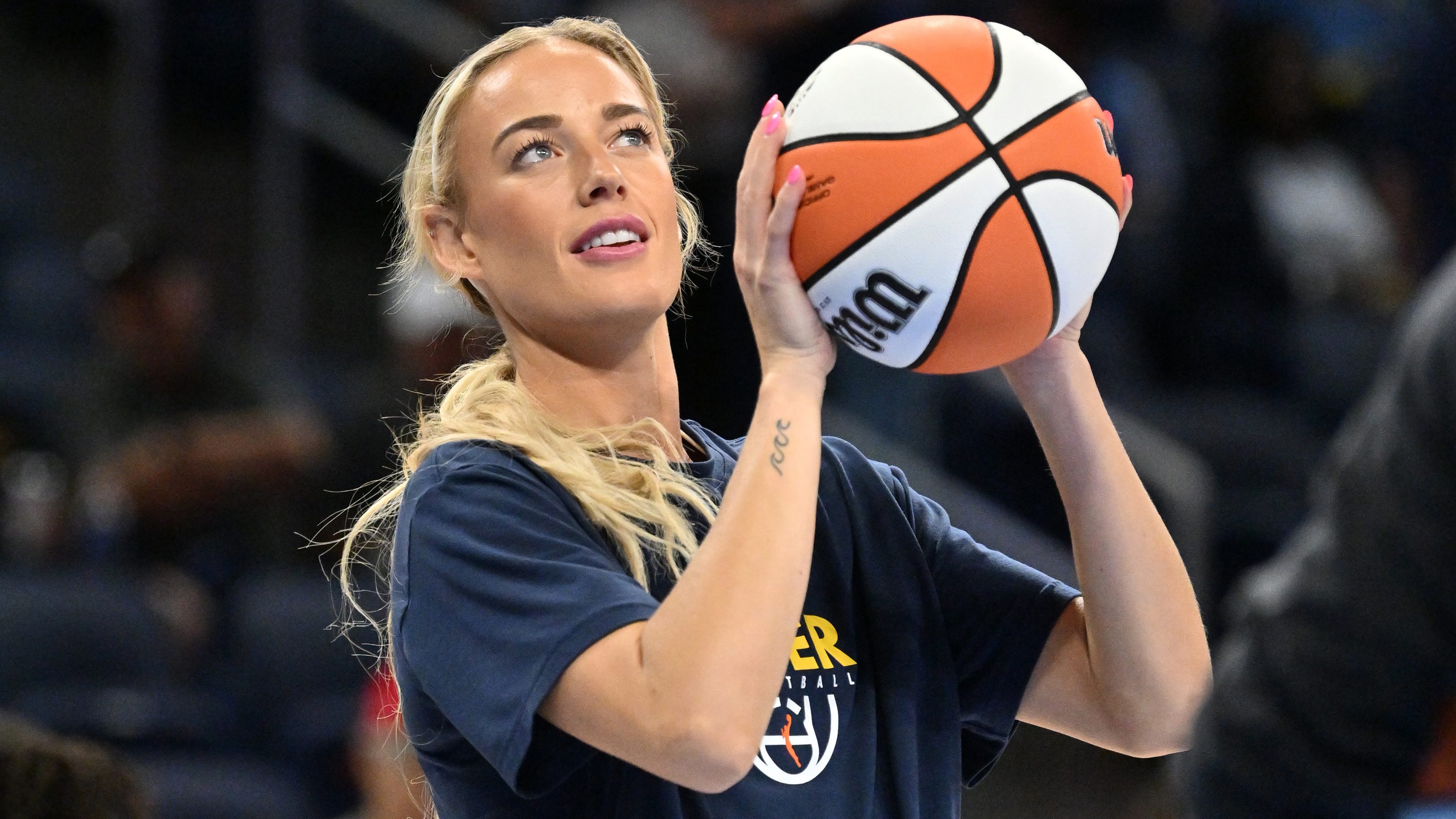
Indiana Fever guard Sophie Cunningham launched her new podcast "No Hesitation" with a sharp message: the WNBA needs a commissioner who listens to players and treats disagreements as normal business. TheMirror reported that Cunningham, speaking alongside trainer Drew Hanlen, made a top priority clear — dedicated practice facilities for every team, not shared YMCAs where some players still train.
Her comments land as Cathy Engelbert prepares to step down at the end of 2026. The league is expanding to 15 teams and saw salaries jump under a new deal: minimum pay hit $300,000 and average salary reached $500,000. But EssentiallySports noted Cunningham's core message was simpler — the next leader must have a backbone and keep an open line to the locker room.
Practice Facilities Remain a Glaring Weakness
Some WNBA teams still practice in borrowed spaces. AOL reported that Cunningham's immediate priority would ensure every team has a functional facility of its own. Candace Parker spent 16 WNBA seasons without a dedicated locker. Former player Kristi Tolliver described moving between high schools and small colleges as feeling like a "nomad."
This infrastructure gap signals whether teams are permanent organizations or temporary tenants. Shared facilities constrain training schedules, recovery time, and team identity. As the WNBA expands, dedicated spaces become even more critical to sustaining higher salaries and keeping players invested in their organizations.
Cunningham Wants Direct Communication With Leadership
Higher revenues and better contracts mean little without trust. EssentiallySports noted that Cunningham believes the next commissioner must speak directly with players and treat disagreements as part of a working relationship, not conflict. She acknowledged owners have invested heavily. But players and management will always disagree on some points.
The core gap is institutional trust. Stronger media exposure and player compensation do not substitute for regular, credible communication between league leadership and athletes. A commissioner must manage disagreements while creating a real channel through which players can influence decisions and understand business constraints.
New Podcast Replaces Previous Show With West Wilson
HITC reported that Cunningham launched "No Hesitation," replacing her old podcast "Show Me Something," which she co-hosted with "Summer House" cast member West Wilson. The debut episode featured film breakdowns of Cunningham and Minnesota Lynx rookie Olivia Miles alongside her conversation with trainer Hanlen.
The podcast gives Cunningham a platform to critique WNBA policies. She has already expressed dissatisfaction with the All-Star selection process, which she called "very political." Her new show signals that players are increasingly willing to use their platforms to push for change directly.
Expansion and Salary Growth Mask Deeper Tensions
The WNBA is booming. The salary cap climbed to $7 million. Average salary hit $500,000. Housing, charter flights, and pregnancy protections all improved under the new collective bargaining agreement. Yet growth has not healed the relationship between players and league leadership.
Cunningham jokingly suggested she should become commissioner. Online reactions split sharply — some tweeted "give her the job," while skeptics questioned whether she would even stay in the league. The divide reflects a real tension: financial success requires stability, but expansion to 15 teams will multiply coordination challenges unless the next commissioner builds genuine player trust.
Sentiment
Mostly NegativeNEGATIVENEUTRALPOSITIVE
Publishers
19
Articles
46
Reach
65
A
AnonymousAuthor


