Michigan Reconsiders Line 5 Permits
Michigan regulators are reconsidering Enbridge Line 5 tunnel permits after a Supreme Court ruling.
Anonymous
Key Points
1
The Michigan Supreme Court’s ruling was supported by six of the court’s seven justices, who said utility regulators should have examined both the tunnel’s environmental impacts and the consequences of extending Line 5’s operating life; the case was sent back to the Michigan Public Service Commission, a step expected to delay construction for years.
2
Enbridge’s earlier 2021 tunnel permit had expired, prompting the company to reapply with additional wetlands-survey data; EGLE approved the new application after a 16-month review, while a separate state permit allows disturbance of rare plants and animals during construction.
3
EGLE Director Phil Roos said construction of the tunnel is already on hold while the legal questions raised by the Supreme Court decision are resolved.
4
The Wisconsin Line 5 incident involved a runaway truck striking the pipeline at a valve site in Iron County. Enbridge estimated that about 1.3 million gallons of mostly propane and butane vaporized, making it the largest spill in Wisconsin history, according to state officials; additional liquid was contained at the site.
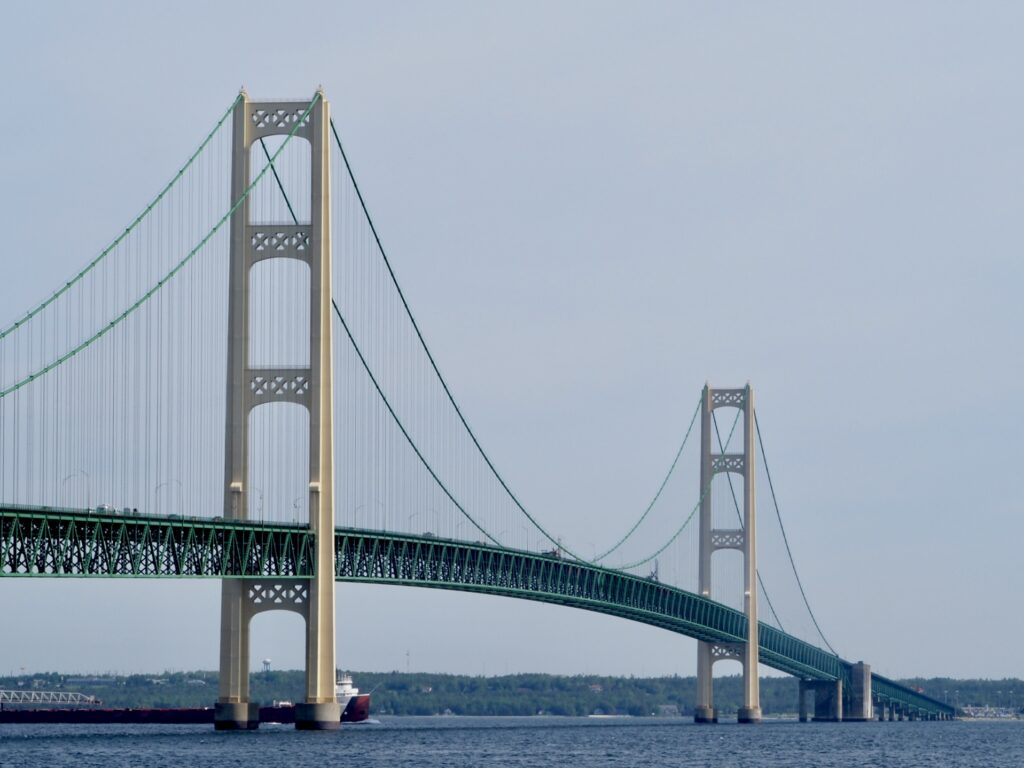
Michigan is reconsidering permits for Enbridge Energy's proposed tunnel to relocate oil pipelines beneath the Straits of Mackinac after the state Supreme Court ruled that regulators must assess environmental risks and alternatives more thoroughly. Mining Journal reported that the decision adds years of uncertainty to a project already behind schedule and raises questions about whether the tunnel will ever be built. Governor Gretchen Whitmer is pushing Enbridge to pursue alternatives that could remove the 73-year-old pipelines within months instead.
The permit reconsideration follows a six-to-one Supreme Court ruling that the Public Service Commission failed to examine both the tunnel's environmental impacts and the consequences of extending Line 5's operation. Alpena News noted that the case returns to regulators for a more complete review, a step expected to delay construction for years. Concerns intensified after a recent Enbridge spill in Wisconsin released an estimated 1.3 million gallons of natural-gas liquids, making it the largest pipeline spill in state history.
A 73-Year-Old Pipeline Creates Urgent Risks
The existing Line 5 pipelines have operated beneath the Straits of Mackinac for over seven decades, carrying oil and natural gas liquids through one of the Great Lakes' most sensitive areas. Iron Mountain Daily News reported that Michigan now faces a critical choice: accept continued exposure to potential spills while waiting for an uncertain tunnel project, or demand that Enbridge find faster alternatives. The Wisconsin spill in 2026 demonstrated how quickly catastrophic failures can occur with aging infrastructure.
Supreme Court Demands Deeper Environmental Review
The Michigan Supreme Court's decision requires regulators to examine not just the tunnel project itself but also what happens if Line 5 continues operating for decades longer. Six justices ruled that earlier reviews were too narrow, focusing only on tunnel construction while ignoring broader consequences. The case now returns to the Public Service Commission, which must conduct a more thorough environmental assessment before permits can move forward.
Permits Issued in July Face Legal Scrutiny
The Michigan Department of Environment, Great Lakes and Energy approved tunnel permits on July 15, just days before the Supreme Court's ruling on July 31. 9and10 News reported that Director Phil Roos confirmed construction remains on hold while legal questions are resolved. The original permit had expired, requiring Enbridge to reapply with additional wetlands data and a separate permit to disturb rare plants and animals during construction.
Whitmer Pushes for Faster Alternatives to the Tunnel
Governor Whitmer has directed state regulators to reconsider the permits and urged Enbridge to abandon the tunnel project in favor of solutions that could remove pipelines from the Straits within months. Yahoo noted that opponents of the tunnel claim the original July approval violated environmental principles, turning the focus on Whitmer's role in the decision. The Governor now backs tribes and environmental groups who argue the state must consider safer, faster pathways forward.
Sentiment
Mostly NegativeNEGATIVENEUTRALPOSITIVE
Publishers
13
Articles
18
Reach
31
A
AnonymousAuthor


