Closed Doors Spectator Loophole
England Face Croatia in Rijeka Despite Closed-Doors Ban Due to UEFA Rule
Anonymous
Key Points
1
The stadium could admit as many as 6,100 spectators—nearly 75 per cent of its 8,279 capacity—under a disciplinary-rule exception, despite the match being designated behind closed doors.
2
The sanction traces back to a suspended UEFA punishment following discriminatory behaviour at Croatia’s 2023 Nations League matches against the Netherlands; UEFA ordered it enforced in May 2025 after further racist and discriminatory behaviour against France.
3
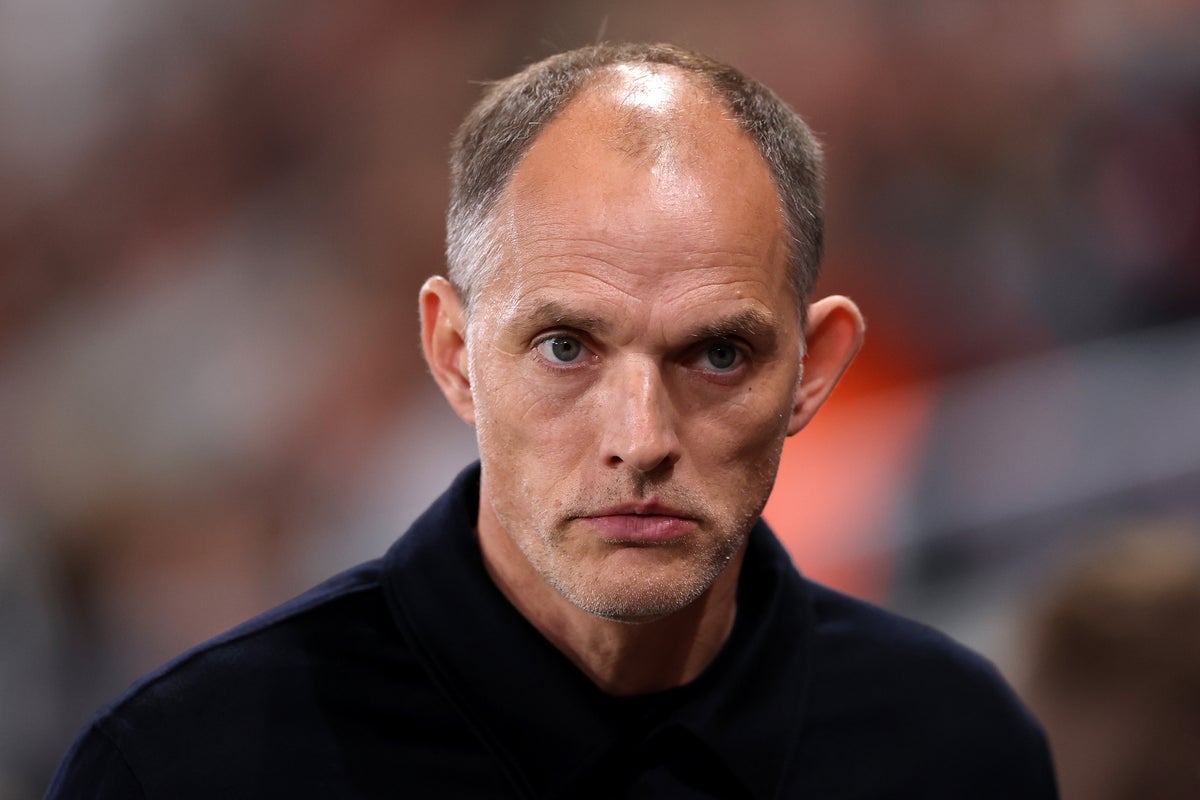
England manager Thomas Tuchel has won 18 of his 24 matches in charge since taking over in January 2025. He has confirmed Jordan Pickford will start England’s next two matches after James Trafford played in the opening Nations League fixtures.
4
England have won six of the 11 previous meetings with Croatia, compared with three Croatian wins and two draws; England have scored 22 goals to Croatia’s 13 across those matches.
England faces Croatia on Saturday in a Nations League match officially banned from spectators—yet up to 6,000 schoolchildren are expected to fill nearly 75% of the 8,279-seat stadium. The Standard reports UEFA's disciplinary rules permit the exception, turning a behind-closed-doors punishment into a youth community event after Croatia's racist fan behavior in March 2025.
Both teams arrive level on three points. England bounced back from a Spain loss with a 2-0 win over Czechia, while Croatia beat Czechia before losing 4-1 to Spain. England manager Thomas Tuchel confirmed Jordan Pickford will start in goal and acknowledged the strange atmosphere: Tuchel said being behind closed doors is "never nice" but he's "happy for the children" who get to attend.
How a UEFA Ban Became a School Field Trip
UEFA ordered Croatia to host this match behind closed doors after March 2025 incidents at Stade de France. Police detained seven Croatian supporters for Nazi salutes. Others set off smoke bombs and threw pyrotechnics. The Mirror reports UEFA fined the Croatian Football Federation €93,000 total—€30,000 for discriminatory chants, €41,000 for stadium damage.
But Article 73 of UEFA's disciplinary rules allows exceptions: member associations can fill stands with local youth aged 14 and under, supervised by one adult per 10 children. Goal.com reports the Croatian Football Federation coordinated with local schools and academies to fill the gap, turning punishment into community outreach.
England's England Supporters Get 100 Tickets in Unusual Setup
The Times reports the England Football Association and UEFA granted 100 complimentary tickets to the England Supporters Travel Club—limited to members with at least 314 prior match caps. This marks a rare allocation for a match technically behind closed doors.
The sparse adult presence will create an eerie broadcast environment. Every player word and coach instruction will carry loudly through the stadium. Sky Sports has noted that juvenile-dominated grounds strip away the typical roar and rhythm of professional soccer.
England's Momentum vs. Croatia's Search for Consistency
England manager Thomas Tuchel has won 18 of his 24 matches since January 2025. His side leads the historical head-to-head record: six wins to Croatia's three, with two draws. England has scored 22 goals to Croatia's 13 across 11 meetings. The last encounter was a 4-2 England victory at the 2026 World Cup.
Croatia, managed by Slaven Bilić in his second stint, sits third in League A Group 3 with three points, tied with England. Spain leads the group with six points. A loss Saturday would leave Croatia's Nations League hopes increasingly tenuous heading into the final two games.
Critics Say Loophole Weakens UEFA's Racism Penalties
The Guardian and other outlets argue that filling 75% of a stadium effectively nullifies the deterrent power of a behind-closed-doors ban. The rule was designed to punish serious misconduct. Allowing thousands of spectators—even if children—undercuts that message.
The Croatian Football Federation frames the event positively: a free opportunity for young fans and local academies to watch elite international soccer. But Daily Mail critics contend this scenario sets a troubling precedent. Future associations facing racism bans could simply convert them into mass youth events, rendering the punishment symbolic rather than substantive.
Sentiment
Mostly NegativeNEGATIVENEUTRALPOSITIVE
Publishers
28
Articles
18
Reach
46
A
AnonymousAuthor


