Lukashenko, U.S. Envoy Resume Belarus Prisoner Talks
Lukashenko, U.S. Envoy Resume Belarus Prisoner Talks
Anonymous
Key Points
1
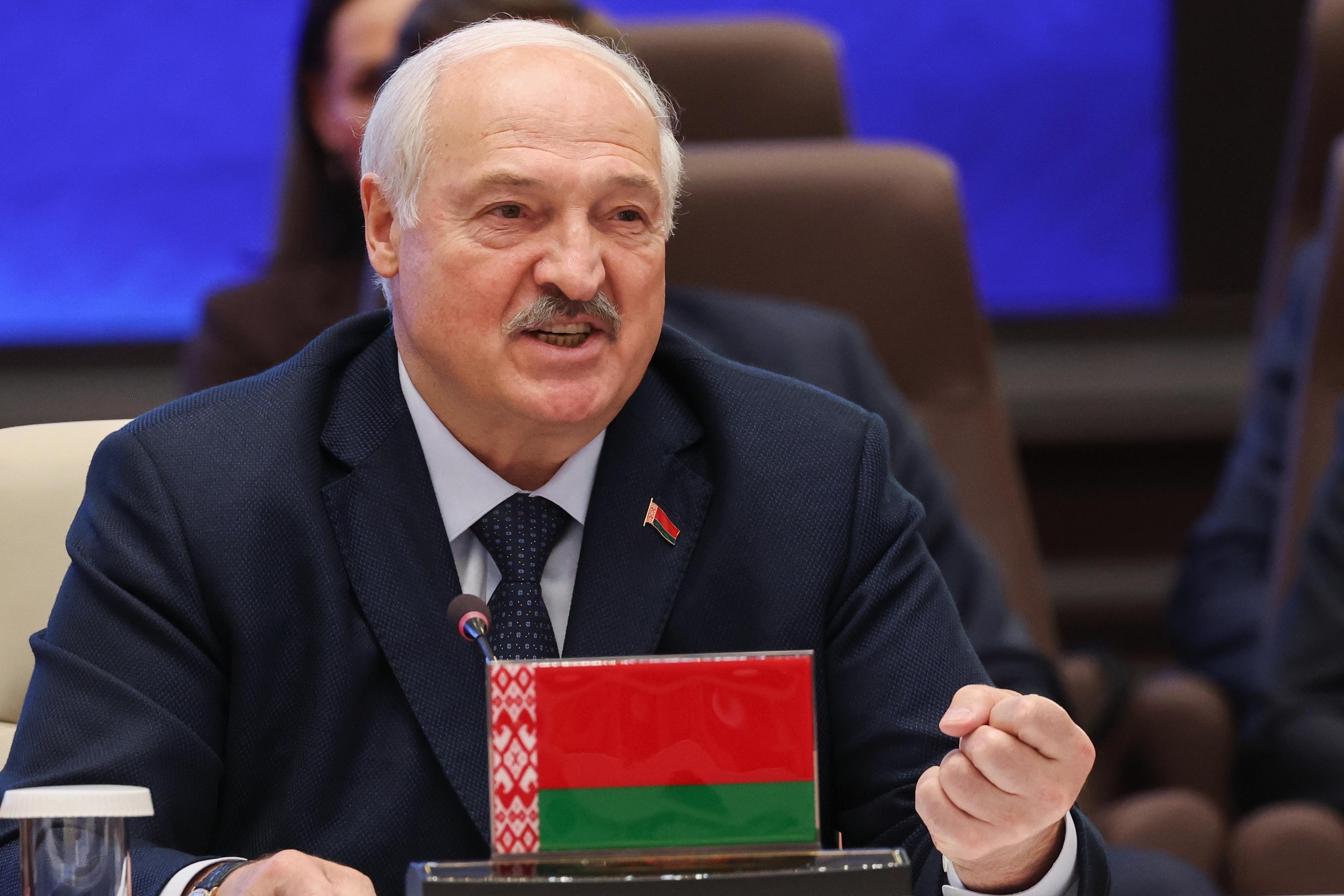
Belarusian President Aleksandr Lukashenko said he had invited Prime Minister Aleksandr Turchin to the meeting so he could provide a detailed report on the practical results of previous U.S.-Belarus contacts and the implementation of earlier agreements. Belarusian KGB chief Ivan Tertel and U.N. envoy Valentin Rybakov also attended for the Belarusian side.
2
Christopher Panico appears to have replaced Chris Smith in the talks with Minsk. Panico is a career U.S. diplomat who previously served in the State Department’s Bureau of Intelligence and Research and worked at the U.S. Embassy in Minsk from 2010 to 2012.
3
Lithuania said irregular migration from Belarus had begun increasing again after a temporary decline earlier in the summer, with secondary migration through Latvia also growing—an issue discussed separately from the prisoner negotiations.
4
Coale’s previous March visit resulted in the release of 250 political prisoners; afterward, he urged Lithuania to restore transit for Belarusian fertilizers and hold a high-level meeting with Minsk.
5
The U.N. experts’ findings included specific allegations of arbitrary arrests, torture, denial of legal safeguards, closed trials and continued harassment of former detainees after their release.
U.S. Special Envoy John Coale returned to Minsk this week for talks with President Aleksandr Lukashenko centered on freeing political prisoners held in Belarus. River Bender reports Coale conveyed President Trump's backing for the engagement, which has previously secured the release of hundreds of detainees in exchange for easing some U.S. sanctions.
The negotiations mark the second major push by Washington to extract concessions from Lukashenko's authoritarian regime. Christopher Panico, a career diplomat who previously worked at the U.S. Embassy in Minsk, joined Coale's delegation, apparently replacing earlier envoy Chris Smith in these delicate talks.
Previous Prisoner Release Broke Through 250 Detainees
Coale's March visit to Minsk yielded tangible results. Fox 40 reports that Lukashenko released 250 political prisoners following those earlier negotiations. The deal reflected a pattern: the U.S. and Belarus trading prisoner releases for modest sanctions relief. After securing the March releases, Coale pushed Lithuania to restore trade access for Belarusian fertilizers.
This week's talks aim for another substantial prisoner release. Lukashenko invited Prime Minister Aleksandr Turchin to brief negotiators on implementation of previous agreements. Belarusian KGB chief Ivan Tertel and U.N. envoy Valentin Rybakov also attended the meetings on Belarus's side.
Lukashenko Seeking Sanctions Relief and Frozen Assets
Beyond prisoner releases, Lukashenko is pressing Washington to lift remaining sanctions and unlock frozen state assets. Whales Book reports Belarus is urging the U.S. to release approximately $44 million in state assets currently held at Citibank. The money was frozen following earlier prisoner releases and sanctions disputes.
Lukashenko has framed sanctions relief as tied to prisoner releases, creating a negotiating leverage point. Each successful detainee release strengthens his case for broader economic reopening. However, U.S. officials remain cautious about moving faster than commitments warrant.
Human Rights Groups Warn Repression Continues Despite Releases
While opposition figures welcomed the prisoner releases as humanitarian progress, they cautioned that Lukashenko's security forces continue arresting new dissidents. The U.N. reported systematic abuses throughout Belarus's judicial system, including arbitrary arrests, torture, closed trials, and denial of legal safeguards to detainees.
Lithuania's foreign minister, who met separately with Coale during his regional trip, pledged support for U.S. efforts but warned that repression in Belarus remains widespread. Minsk remains closely aligned with Russia's military and security structures, complicating any democratic reforms. Additionally, irregular migration from Belarus through Lithuania resurged after a temporary summer decline, adding pressure on Baltic borders.
Sentiment
Mostly NegativeNEGATIVENEUTRALPOSITIVE
Publishers
16
Articles
99
Reach
115
A
AnonymousAuthor


