Quantum Bitcoin Security
Quantum Computing Threats Drive Urgent Security Planning Across the Bitcoin Ecosystem
Anonymous
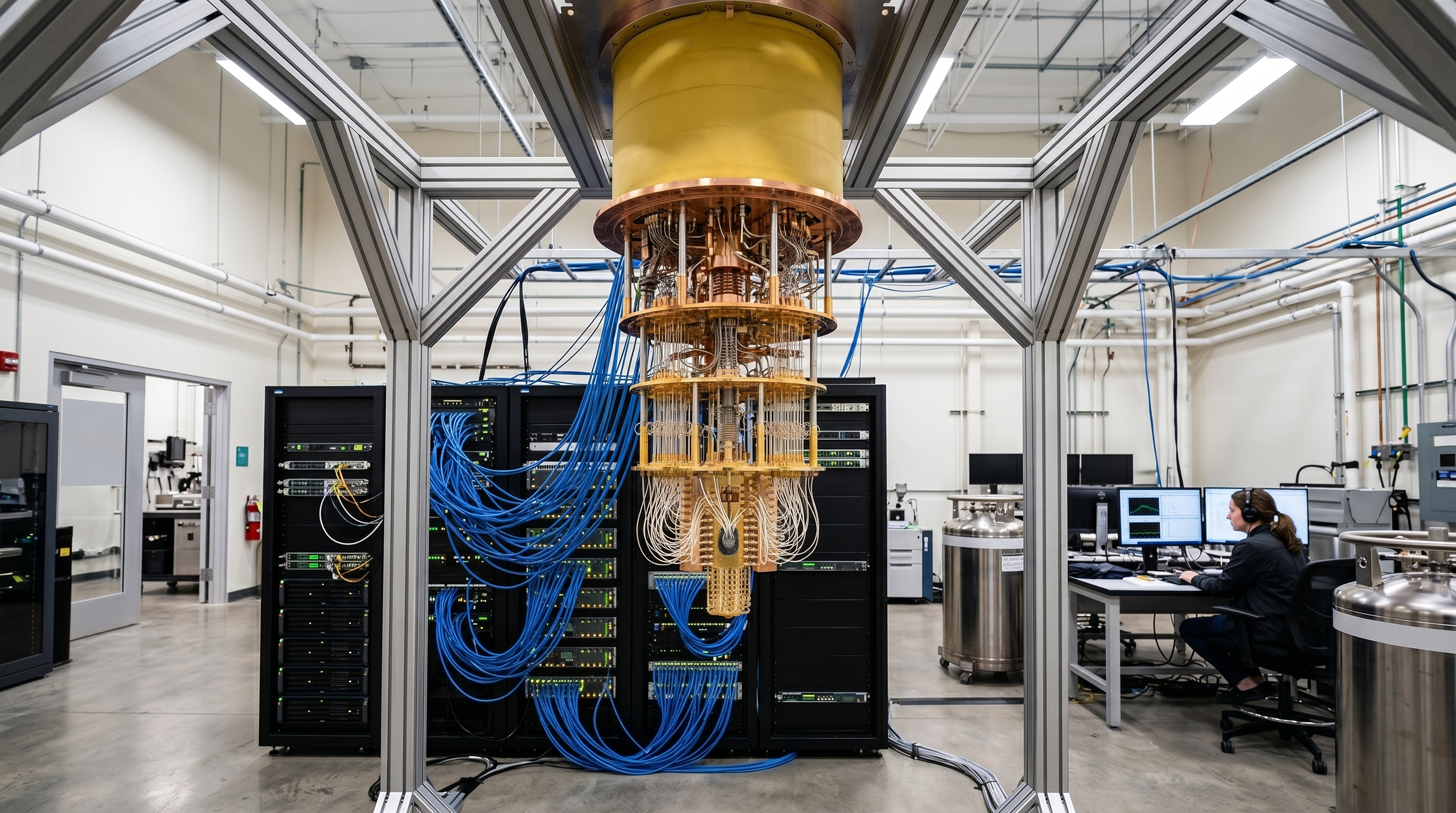
Key Points
1
The September movement involved 600 BTC mined in March 2010, drawn from rewards for 12 blocks over four days; the private-key holder spent the coins sequentially within about 30 minutes. Bitquery said 10 of the 12 blocks did not match the “Patoshi” mining pattern, while the remaining two were only weak matches that could have occurred by chance.
2
A quantum attack could unfold in sharply different ways depending on the attacker’s objective: a profit-driven attacker might quickly target major exchanges and exchange-traded funds, while an attacker seeking disruption could quietly drain exposed Satoshi-era coins in stages, making the theft initially difficult to distinguish from legitimate activity.
3
The main technical obstacle is not only developing quantum-resistant address formats but persuading holders of exposed coins to move them: a Bitcoin soft fork can create safer output types, but it cannot unilaterally transfer funds from vulnerable legacy outputs whose owners do not act.
4
A quantum-resistant Bitcoin transaction has already reached mainnet through MARA’s private SlipStream mempool using its Quantum Safe Bitcoin system, although the approach currently operates without a consensus-rule change and remains limited to private mempools.
5
BIP-361 proposes a phased response to vulnerable legacy addresses: first preventing users from sending bitcoin to older address types, then—after a two-year transition—blocking remaining legacy wallets from sending funds. Researchers also warn that rushed upgrades could introduce bugs and that scammers may exploit the uncertainty with fake demands to move coins immediately.
Quantum computers pose a real threat to Bitcoin's security, and the cryptocurrency industry is moving fast to build defenses before the technology becomes powerful enough to steal coins. StarkWare and collaborators just slashed the cost of a quantum-safe Bitcoin transaction from $320 to $66 in a single week of optimization work. Meanwhile, major exchanges like Coinbase—which manages $250 billion in institutional assets—are already planning upgrades to protect against potential quantum attacks.
The earliest Bitcoin created by Satoshi Nakamoto faces the greatest danger because those old coins expose their public keys, allowing attackers to target them directly without racing against the blockchain. Modern Bitcoin addresses hide public keys until you spend them, but that creates a tight window where a quantum computer could intercept and steal funds during a transaction.
The 79% Cost Breakthrough in One Week
StarkWare, Yukon Research, and Eigen Lab teamed up to sharply reduce the computational burden of quantum-resistant Bitcoin transactions. Their optimization work cut the estimated GPU cost from about $320 down to $66–$67 per transaction. CryptoNews reported that AI-assisted coding over seven days achieved this 79% reduction, removing a major obstacle to practical quantum-safe Bitcoin defense.
Why Early Bitcoin Coins Are Most Vulnerable
Bitcoin mined in 2010 and the early years reveals public keys on the blockchain, making those coins sitting targets for quantum attackers. An attacker with a powerful quantum computer could work offline to crack these keys without needing to race the blockchain. The September movement of 600 BTC from March 2010 highlighted this risk: those old coins broadcast their public keys to the entire network, leaving them exposed.
Modern Bitcoin addresses work differently. They hide the public key until you actually spend the coin. This creates a race condition where an attacker must crack the key before the transaction gets confirmed—a much tighter window. Both approaches carry risk, but they require different defense strategies.
Proposed Defenses and the Consensus Problem
Developers are exploring multiple defenses: new quantum-resistant address formats, migration plans to move coins off vulnerable addresses, and possible restrictions on legacy outputs. One proposal, BIP-361, suggests a two-phase approach. First, prevent people from sending Bitcoin to old address types. Then, after two years, block wallets holding legacy coins from sending funds at all.
The core challenge is that a Bitcoin soft fork can create safer address types but cannot force owners to move their coins. Researchers warn that rushed upgrades could introduce bugs. Scammers are already exploiting the quantum scare, using fake threats to trick people into moving coins immediately to vulnerable addresses.
When Quantum Computers Could Break Bitcoin
The Quantum Doomsday Clock website, created by Colton Dillion and cryptographer Rick Carlson, tracks when quantum computers might become powerful enough to threaten Bitcoin encryption. The tool has been warning the industry for over a year, though experts disagree on exact timelines. A sufficiently powerful quantum computer could use Shor's algorithm to crack Bitcoin's elliptic curve cryptography relatively quickly.
Sentiment
Mostly NegativeNEGATIVENEUTRALPOSITIVE
Publishers
13
Articles
12
Reach
25
A
AnonymousAuthor


