Fiber for Heart Health
Why Fiber is a Crucial Heart Health Superpower Many Americans Miss
Anonymous
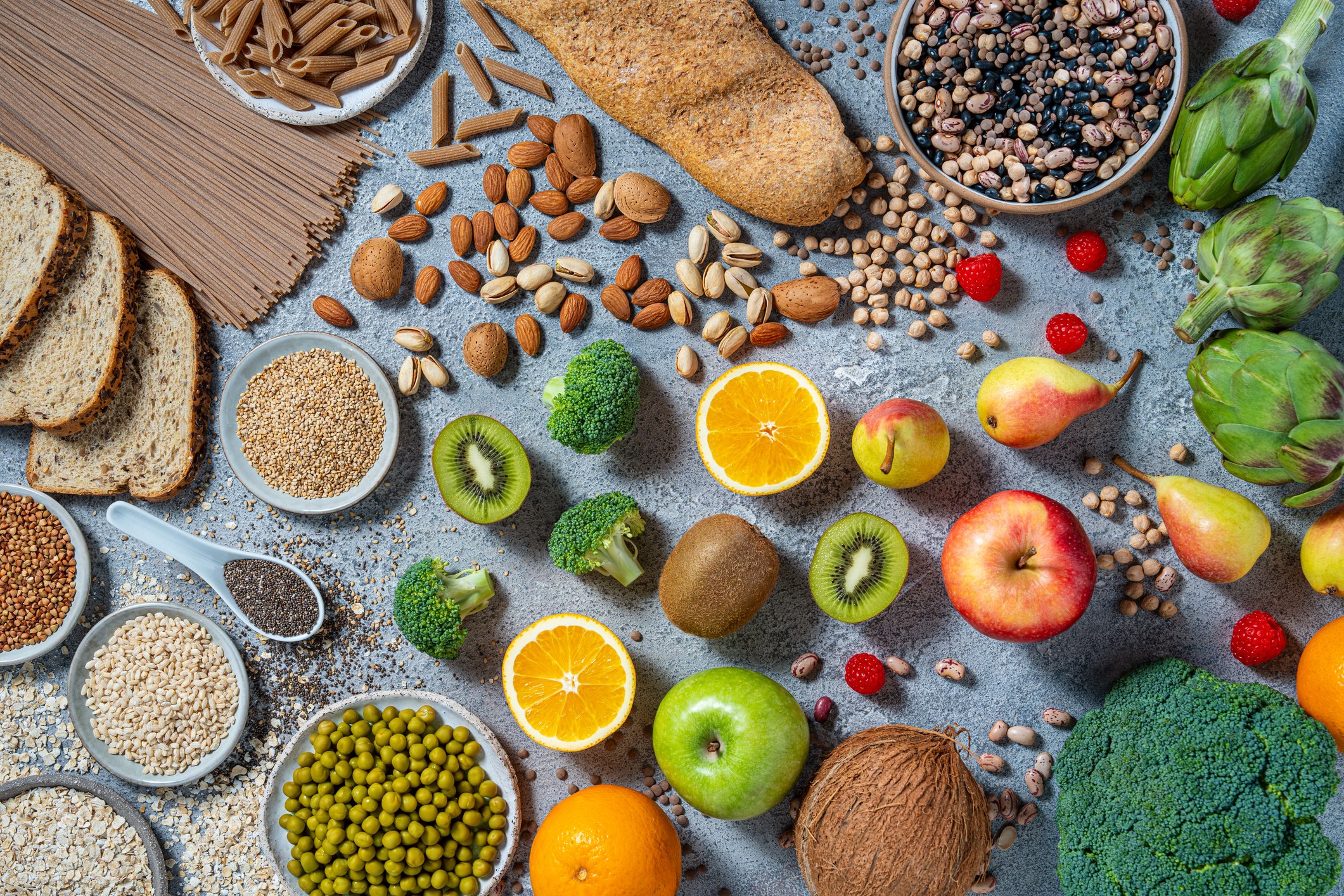
Fiber may be the most powerful nutrient for your heart that most Americans ignore. According to NBC Chicago, a full 95% of Americans do not eat the recommended daily amount — making fiber deficiency one of the most common nutritional gaps in the country.
Dr. Ian Smith, a physician and author of "Eat Your Age," calls fiber a "superpower" nutrient for heart health. NBC New York reports that Smith recommends adults eat between 25 and 38 grams of fiber every day — a target most people fall well short of.
How Fiber Protects Your Heart and Blood Sugar
Fiber does something simple but powerful. It slows down how fast sugar enters your bloodstream after a meal. That steadier rise in blood sugar puts less strain on your heart and reduces your risk of type 2 diabetes, according to NBC DFW.
Managing blood sugar is directly tied to heart health. High blood sugar damages blood vessels over time. Fiber helps keep those levels in check — which is why doctors are now pushing it as a front-line tool for both diabetes prevention and heart disease risk reduction, NBC Philadelphia reports.
The Five Foods Dr. Smith Says to Eat Now
Dr. Smith points to five specific foods as the best fiber sources. According to NBC Los Angeles, those are oats, beans, lentils, berries, and flaxseed. Each one is affordable, easy to find, and simple to add to meals you already eat.
Beyond those five, fiber also shows up in fruits, vegetables, nuts, whole grains, and cereals. The key, Smith says, is variety. Eating a mix of these foods each day makes it easier to hit that 25-to-38-gram daily target, NBC Connecticut reports.
Why 95% of Americans Still Fall Short
The gap between what Americans should eat and what they actually eat is striking. Most people get far less than 25 grams of fiber per day. Processed foods — which make up a large part of the average American diet — contain very little fiber, NBC San Diego notes.
The fix does not require a dramatic diet overhaul. Swapping white bread for whole grain, adding a handful of berries to breakfast, or stirring flaxseed into yogurt can add several grams of fiber with almost no extra effort. Small changes, done consistently, can move you out of that 95%.
Simple Ways to Start Eating More Fiber Today
Dr. Smith suggests starting with oatmeal in the morning. A single cup of cooked oats delivers about 4 grams of fiber. Add berries on top and you can hit 6 or 7 grams before lunch, according to NBC Chicago.
Beans and lentils are another easy win. One cup of cooked lentils contains roughly 15 grams of fiber — more than half the daily minimum in a single serving. Tossing them into soups, salads, or rice dishes is one of the fastest ways to close the fiber gap, NBC New York reports.
Sentiment
NeutralNEGATIVENEUTRALPOSITIVE
Publishers
7
Articles
6
Reach
7
A
AnonymousAuthor


