White House Ballroom Construction Continues
Trump Continues White House Ballroom Construction While Supreme Court Stays Silent
Anonymous
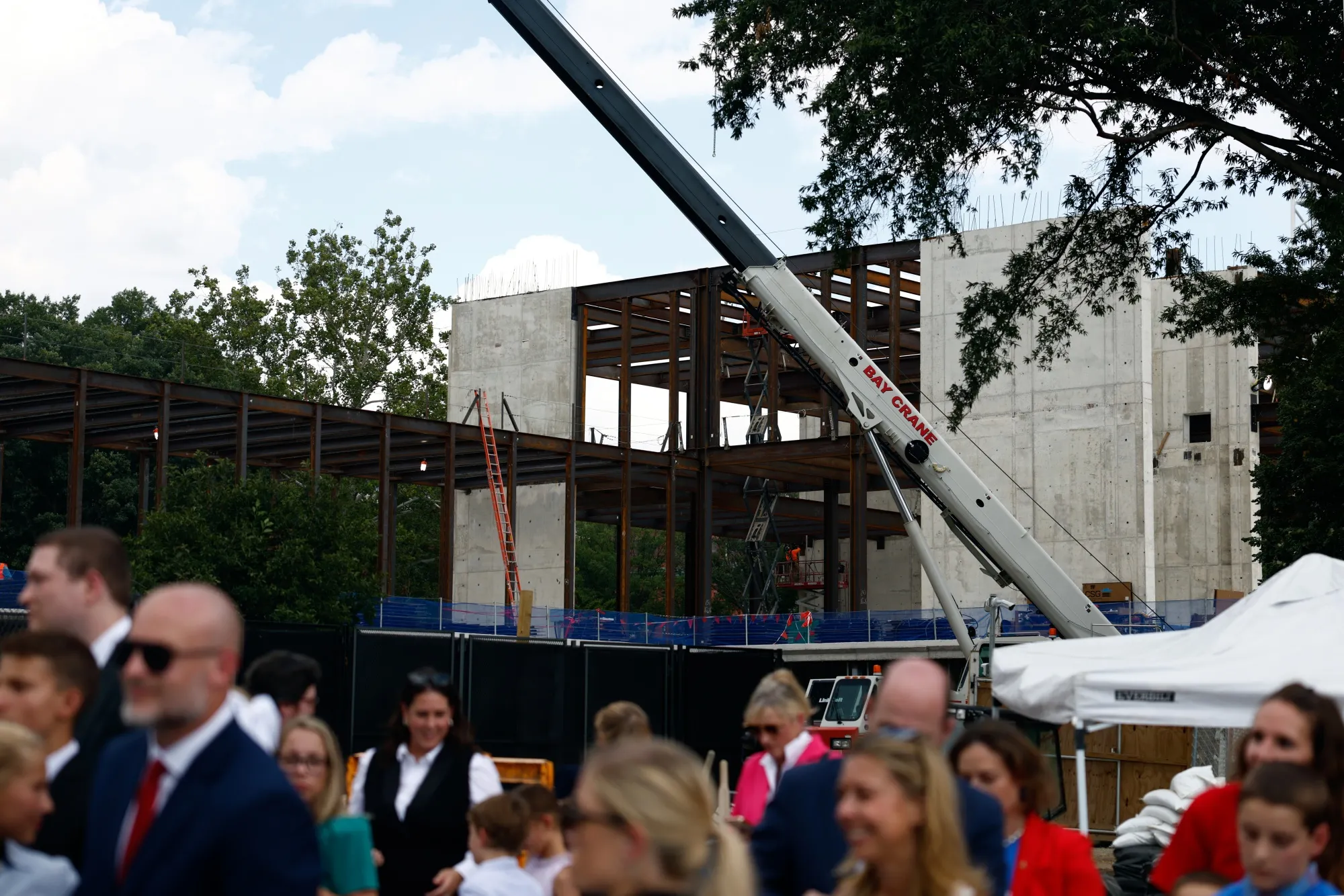
President Trump is pushing forward with a White House ballroom renovation while the Supreme Court remains silent on the legal challenge. A 250-person crew works 20 hours daily, seven days a week, racing ahead despite two lower courts ruling that Trump violated the law by starting the project without congressional approval. Idaho Statesman reports the Supreme Court has issued an interim order allowing construction to continue as the justices consider the case.
Preservation advocates argue Trump is trying to make the ballroom a "fait accompli" — a done deal — before judges can stop it. The National Trust for Historic Preservation says the administration is attempting to "outrun judicial review." The next major decision likely rests with the full nine-member Supreme Court, where six justices are Republican appointees.
Lower Courts Already Blocked the Project
Two lower courts have already ruled against Trump's ballroom plan. Both found that the President violated federal law by beginning construction without getting Congress to approve the spending. Ledger-Enquirer reports the courts issued injunctions attempting to halt the work. But Trump's team appealed, and the Supreme Court stepped in with a temporary order.
This interim order essentially freezes the legal status quo. It lets construction continue while the nine justices decide whether to hear the full case. The move is unusual — the Supreme Court typically sides with lower courts during appeals unless there's a strong reason not to.
A Crew Racing Against the Clock
The pace of work is extraordinary. Star-Telegram reports a 250-person construction team operates 20 hours every single day, including weekends. The crew works in shifts to minimize downtime. This aggressive schedule suggests the White House wants the ballroom finished before the courts can issue a final ruling blocking the project.
Preservationists Warn of a Fait Accompli
Historic preservation groups say Trump is deliberately trying to present judges with a completed ballroom. The National Trust for Historic Preservation argues the administration wants to make stopping the project impossible — if the work is done, courts cannot undo it. This strategy "outruns judicial review" by making the outcome irreversible before judges issue their final order.
The strategy puts pressure on the Supreme Court. If justices wait too long, the ballroom will be finished. A completed project makes legal remedies harder to enforce. That's why preservation groups are urging quick action from the full court.
Six Conservative Justices May Decide the Case
The Supreme Court's ideological makeup could shape the outcome. The bench includes six Republican appointees and three Democratic appointees. Conservative justices have historically favored executive power and questioned spending restrictions on the presidency. That balance may help Trump — or it may not, since this case involves historic preservation law, not partisan politics.
Sentiment
NeutralNEGATIVENEUTRALPOSITIVE
Publishers
5
Articles
5
Reach
5
Topics
A
AnonymousAuthor


