New Russia Sanctions
Ukraine Peace Talks Remain Stalled as Trump Signs New Russia Sanctions Law
Anonymous
Key Points
1
Market pricing put the probability of a ceasefire agreement by Dec. 31, 2026, at 21.5% on the “YES” side, indicating only limited investor confidence despite the reported Trump-Zelenskyy discussion.
2
Trump signed the Lindsey O. Graham Sanctioning Russia and Iran Act of 2026, which authorizes tariffs of up to 100% on the five largest buyers of Russian crude oil and gas, including China and India.
3
The new sanctions law also targets Russia’s leadership, energy sector, defense-industry collaborators and alleged “shadow fleet,” while exempting U.S. purchases of Russian uranium and certain U.S.-Russia space-cooperation activities.
4
India responded to the threatened Russia-related sanctions by saying it remains committed to securing energy for its 1.4 billion people through diversified sourcing.
5
In his UN speech, Trump credited Melania Trump with helping secure the return of Russian children displaced by the war, an issue separate from the broader ceasefire negotiations.
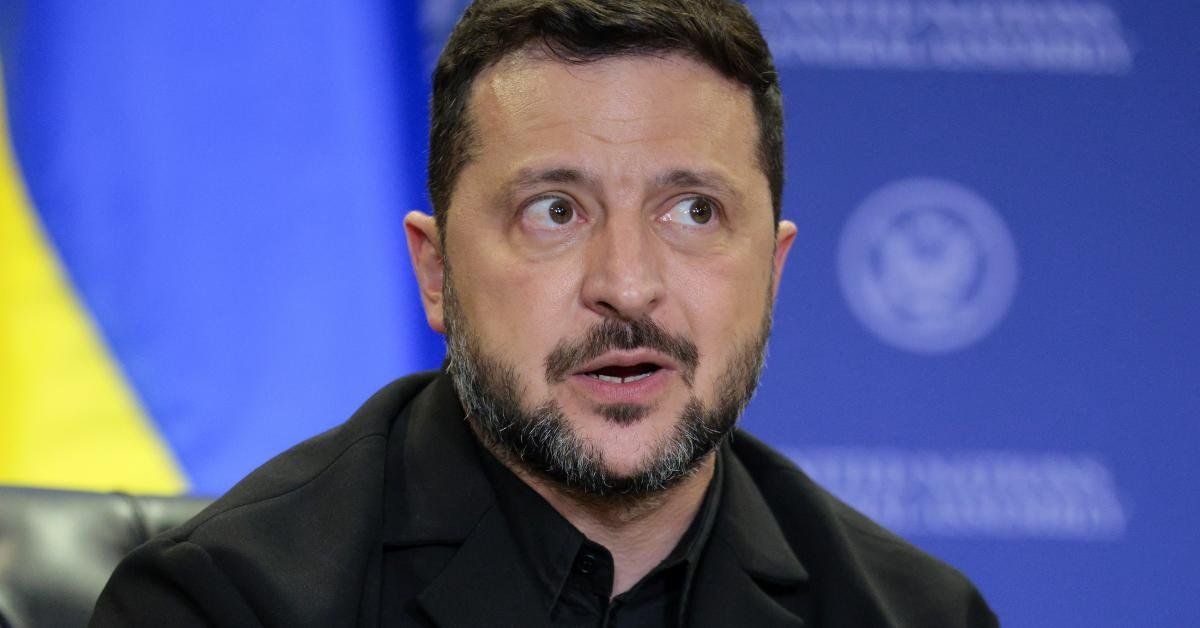
Ukraine peace talks remain stalled despite new diplomatic pressure from the U.S. Ukrainian President Volodymyr Zelenskyy met with President Donald Trump at the UN General Assembly on September 22, with both expressing openness to talks. Yet financial markets remain deeply skeptical—betting exchanges put the odds of a ceasefire by year-end 2026 at just 21.5%, according to Republic World.
Trump has signed tough new sanctions into law to pressure Moscow. The Lindsey O. Graham Sanctioning Russia and Iran Act authorizes tariffs up to 100% on the five largest buyers of Russian oil and gas, including China and India, Public TV English reported. Meanwhile, Russia and Ukraine continue exchanging long-range strikes, with no resolution in sight on core disputes over territory and security guarantees.American Veterans Voice
Trump Wields Tariffs as Leverage for Ceasefire
On September 18, Trump signed the Graham Sanctions Act into law, granting him "enormous new tariff authorities," he told the UN General Assembly on September 22. The law lets him impose tariffs up to 100% on Russia's top five energy buyers—primarily China and India. Congress passed the bill decisively: the Senate voted 86–11 in August, and the House voted 262–159 in September. Trump stated he will use these powers "if necessary" to force Moscow to negotiate.
India Resists U.S. Pressure on Russian Energy Imports
India's government quickly pushed back against threatened tariffs, declaring it "remains committed to securing energy" for its 1.4 billion people through diverse suppliers, India Today reported. New Delhi views Russian oil as essential to keeping energy affordable for its citizens. This stance reveals a potential rift: Washington wants to strangle Russia's cash flow, but major buyers like India and China refuse to cut ties unilaterally.
Zelenskyy Seeks Direct Talks While Russia Remains Cautious
Zelenskyy told the UN he wants to meet Trump and present "specific security proposals and de-escalation solutions." Daily Kos reported he also signaled openness to trilateral talks with Russia. The Kremlin has left the door open for negotiations, potentially in Turkey, but three earlier 2026 talks stalled—they produced only prisoner exchanges, not progress on sovereignty, occupied territory, or security guarantees.
Melania Trump Quietly Helps Return Ukrainian Children
In his UN speech, Trump credited his wife Melania with helping secure the return of Russian-held Ukrainian children. Ukrainian Human Rights Ombudsman Dmytro Lubinets confirmed she facilitated at least 26 returns. Over 20,000 Ukrainian children have been abducted or deported to Russia since the war began. Melania's role, though separate from ceasefire talks, signals a humanitarian angle that may ease future negotiations.
Sentiment
Mostly NegativeNEGATIVENEUTRALPOSITIVE
Publishers
53
Articles
38
Reach
91
A
AnonymousAuthor


