Record Uranium Radioactivity Found
Standard Uranium Completes Record Drill Program With High Radioactivity at Davidson River
Anonymous
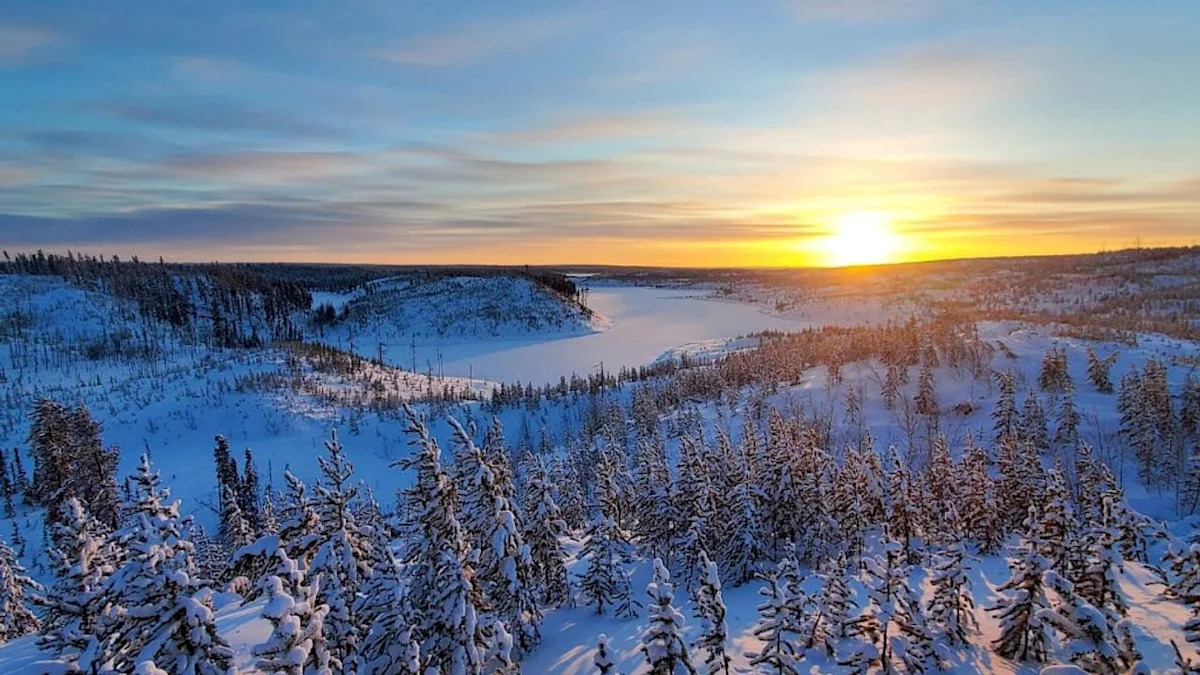
Standard Uranium has completed its largest drill program to date at the Davidson River uranium project in Saskatchewan’s Athabasca Basin, drilling 6,734 meters across 12 holes in the Warrior, Bronco and Thunderbird corridors. The company reported anomalous radioactivity above 300 counts per second in three holes, totaling five meters of composite intervals, and said drilling more than doubled the known widths of the Thunderbird and Bronco corridors. Core also showed hydrothermal alteration and structural features the company considers favorable for uranium exploration, while the corridors remain open for further work. The results are preliminary: laboratory assays are pending, so the radioactivity and geological indicators do not yet establish uranium grades. Standard Uranium plans to use the results and assay data to guide follow-up exploration.
Key Points
1
The targets lie on regional structural trends that also host NexGen Energy’s Arrow deposit and Paladin Energy’s Triple R deposit, providing a geological comparison for the exploration program.
2
The company reported graphitic fault zones, and said anomalous radioactivity was hosted in paragneiss, pegmatite and granitoid orthogneiss—specific rock and structural settings that add detail to the drilling observations.
3
Clay-alteration analysis verified dravitic-clay alteration in a key hole in the Bronco corridor, a more specific finding than the broader alteration observations reported across the program.
4
Standard Uranium said more than 60 kilometres of trend remain untested, while the structural corridors are still open along strike—indicating the scale of potential follow-up exploration beyond the completed drilling.
Sentiment
Mostly PositiveNEGATIVENEUTRALPOSITIVE
Publishers
6
Articles
25
Reach
31
Topics
A
AnonymousAuthor


