BOJ Raises Rate to 1.25%, Yen Weakens
BOJ Raises Rate to 1.25%, Yen Weakens
Anonymous
Key Points
1
Economists surveyed by Reuters expect the BOJ’s policy rate to reach 1.50% by March 2027 and 1.75% by the second quarter of 2027, implying a slow, extended normalization cycle rather than an immediate series of hikes.
2
Currency strategists were notably bearish: Wells Fargo recommended betting against the yen, Citigroup projected a possible move to ¥159 per dollar, and ING’s Chris Turner said the yen could weaken toward ¥157–¥158 if the BOJ failed to signal further increases.
3
The case for additional BOJ tightening includes higher energy prices associated with the war in the Middle East, persistent domestic inflation and the yen’s earlier weakness.
4
Scotiabank said markets had rapidly priced in the BOJ hike and described a shift in Japan’s official currency-management approach—from intervention toward a more fundamentally driven policy stance.
5
OCBC’s technical view identified resistance for USD/JPY near ¥156.70 and ¥157, with support around ¥155 and ¥153; the bank said momentum was tentatively mildly bullish but that softer U.S. data or a firmer BOJ signal could reverse the pair’s advance.
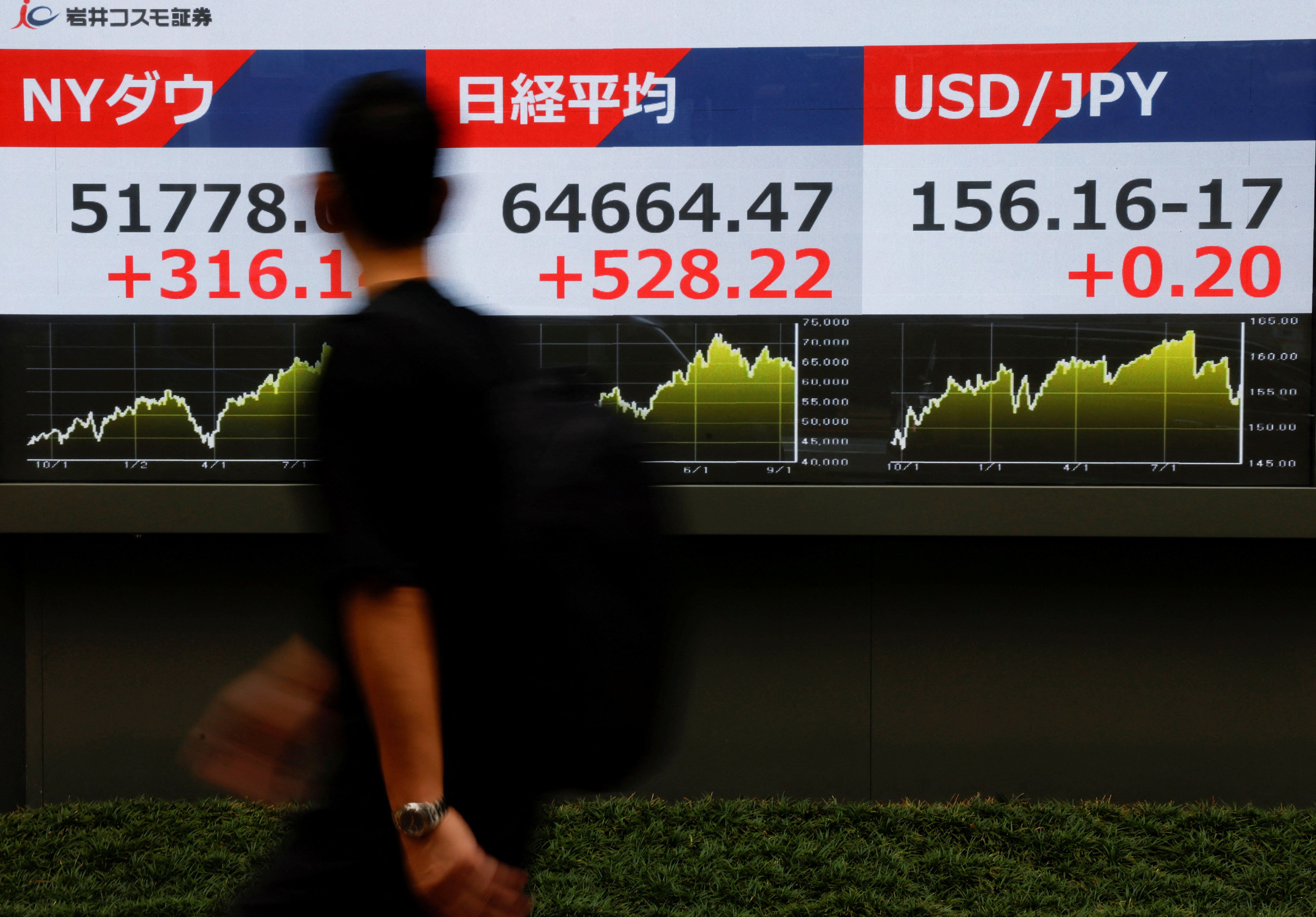
The Bank of Japan raised its policy rate by 25 basis points to 1.25%, the highest level in roughly three decades, in a 7–2 vote RTT News. Yet the yen weakened and USD/JPY climbed above ¥157 because Governor Kazuo Ueda offered no clear timeline for further increases. Markets read the decision as cautious, potentially signaling a pause in the tightening cycle.
The muted response reflects investor expectations that the BOJ will move slowly toward its next rate hike. Currency strategists warn that without stronger hawkish signals from Tokyo, the yen could weaken further—while U.S. rates near 4% continue to attract dollar demand Market Screener.
Why a Rate Hike Weakened the Yen
Conventional logic says higher rates strengthen a currency. Japan's hike to 1.25% should have lifted the yen Stock Wirex. Instead, it fell because markets interpreted the move as the last in a series, not the start of an aggressive campaign. The BOJ chair declined to commit to reaching 1.50% by October or December, disappointing investors betting on rapid tightening.
Economists surveyed by Reuters expect the BOJ to reach 1.50% only by March 2027 and 1.75% by mid-2027 Stock Wirex. This slow, extended timetable signals the central bank sees little urgency. With U.S. rates stuck near 4%, the interest-rate gap favors dollars, making yen-funded carry trades more attractive to speculators.
What Strategists Say About Further Yen Weakness
Major currency desks remain bearish on the yen XTB. Wells Fargo recommended betting against it. Citigroup projects USD/JPY could move toward ¥159 per dollar. ING's Chris Turner warned the pair could weaken to ¥157–¥158 if the BOJ failed to signal more aggressive future hikes XTB.
OCBC identified technical resistance near ¥156.70 and ¥157, with support around ¥155 and ¥153 XTB. Momentum is tentatively mildly bullish for the dollar. But softer U.S. economic data or a firmer BOJ signal could reverse the pair's advance and lift the yen XTB.
What Could Change the Outlook
The case for additional BOJ tightening exists. Higher energy prices tied to Middle East conflict, persistent domestic inflation, and the yen's earlier weakness all argue for more rate hikes Stock Wirex. Scotiabank noted markets had rapidly priced in this move and signaled a shift in Japan's currency approach—from intervention toward a fundamentally driven policy stance.
Watch two key triggers. First, any surprise BOJ commentary suggesting faster normalization could strengthen the yen overnight. Second, a U.S. economic slowdown would narrow the interest-rate gap and reduce dollar appeal Market Screener. For now, the BOJ's cautious tone and a 1.25% rate leave plenty of room for further yen weakness.
Sentiment
Mostly NegativeNEGATIVENEUTRALPOSITIVE
Publishers
20
Articles
42
Reach
62
Topics
A
AnonymousAuthor


