Robotaxi Expansion and Regulation
Lyft Expands Waymo Robotaxi Network in Nashville Amid Regulatory and Technological Challenges
Anonymous
Key Points
1
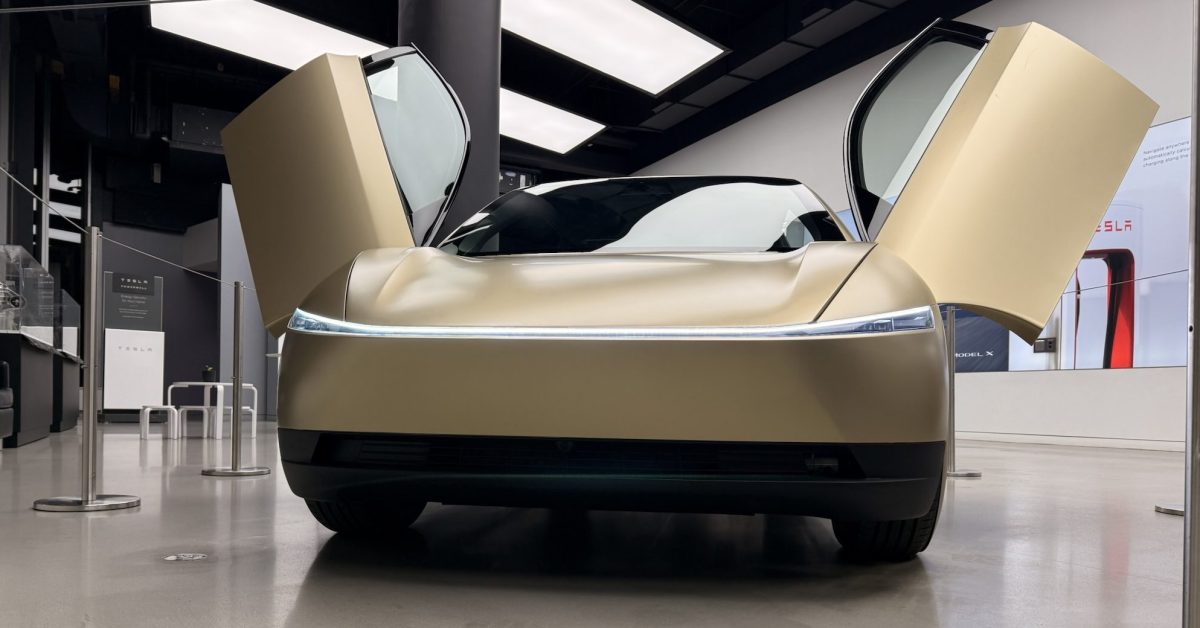
Automakers generally self-certify compliance with federal vehicle-safety standards and must seek a two-year exemption for certain driverless designs; Amazon’s Zoox received such approval last month, setting a regulatory precedent for Tesla’s Cybercab deployment.
2
Former acting NHTSA administrator Ann Carlson said the agency’s investigation may reflect frustration that Tesla ignored the exemption process, adding that the company’s decision to bypass it was “gobsmacking.”
3
NVIDIA describes its robotaxi platform as a three-computer architecture: separate systems for AI-model training, simulation and safety validation, and real-time computing inside the vehicle.
4
Lyft’s Nashville integration will make Waymo vehicles available for several ride categories—including Standard, Priority Pickup, Wait & Save, and Extra Comfort—while dynamically dispatching one autonomous fleet across both companies’ platforms.
5
Researchers have demonstrated a decentralized approach in which a small group of robots can assign and track more moving targets than there are robots, without relying on a central commander; the underlying simultaneous assignment-and-control problem is formally NP-hard.
Lyft is expanding Waymo's fully autonomous vehicles into Nashville at no extra cost, marking a major step forward for commercial robotaxis. NHTSA is simultaneously investigating Tesla's Cybercab service in Austin, questioning whether the company bypassed required federal safety-exemption procedures.
The clash reveals two competing paths: Tesla's aggressive self-certification approach versus the cautious, rule-following strategy of Waymo and Lyft. Meanwhile, NVIDIA is pushing a new computing architecture that robotaxi companies say will be essential as fleets scale nationally.
Tesla's Regulatory Gamble Draws Federal Scrutiny
On September 3, NHTSA opened a formal investigation into Tesla's Cybercab after the company launched 45 driverless vehicles in Austin without seeking a federal safety exemption. Most automakers self-certify compliance with vehicle safety rules, then request a two-year exemption when deploying cars without steering wheels or pedals. Tesla skipped this step entirely.
Former acting NHTSA chief Ann Carlson called Tesla's move "gobsmacking." On September 16, the agency escalated with a legal order demanding Tesla answer 21 safety questions by month-end. UCLA Law professor Carlson said the agency appears "super frustrated" that Tesla ignored established pathways. Amazon's Zoox received exemption approval just last month after a four-year review.
Waymo and Lyft Build Scale Through Compliance
On September 9, Lyft activated automatic matching for Waymo autonomous vehicles in Nashville, making them available for Standard, Priority Pickup, and Extra Comfort rides. Riders face no extra charge and won't know whether they're boarding a human-driven or driverless car until pickup. Lyft subsidiary Flexdrive manages fleet operations, charging, and maintenance via an 80,000-square-foot depot near Nashville International Airport.
This partnership creates a replicable template. Waymo operates 3,500 to 4,000 vehicles across 14 U.S. markets but has focused on building its own fleet and technology. Lyft's involvement lets Waymo focus on autonomous software while outsourcing operational headaches—depot staffing, vehicle cleaning, charging logistics. That formula could unlock rapid expansion in new cities.
Why Computing Power Will Decide the Race
NVIDIA argues that robotaxi scale requires a three-layer computing architecture: one system for training AI models on massive driving datasets, a second for simulating and validating safety scenarios, and a third for real-time decision-making inside the vehicle. Each layer demands substantial compute resources.
Tesla relies on a "vision-only" approach using cameras and custom processors. Waymo and other competitors use multiple sensors (cameras, lidar, radar) fed into centralized data centers for continuous refinement. As fleets grow from hundreds to thousands of vehicles, the choice of computing backbone will determine which company can improve safety fastest and scale without bottlenecks.
Trump Administration Rewrites Safety Rules for Driverless Cars
The Department of Transportation is rewriting eight federal vehicle-safety standards to accommodate autonomous vehicles—removing requirements for rearview mirrors, windshield wipers, and brake pedals. These changes favor driverless designs and could accelerate approvals. However, the old rules remain legally binding until officially replaced.
Tesla is betting that the Trump administration's pro-AV stance will protect it from NHTSA enforcement. Waymo is playing it safer, using the current exemption framework. If NHTSA wins its case against Tesla, the company faces potential recalls or service suspensions. If Tesla prevails, the entire regulatory pathway could collapse—favoring aggressive companies over cautious ones.
Sentiment
Mostly PositiveNEGATIVENEUTRALPOSITIVE
Publishers
25
Articles
82
Reach
107
Topics
A
AnonymousAuthor


