Global Jellyfish Warnings Issued
Authorities issue safety warnings after stinging and giant jellyfish are reported off Vietnam and Wales.
Anonymous
Key Points
1
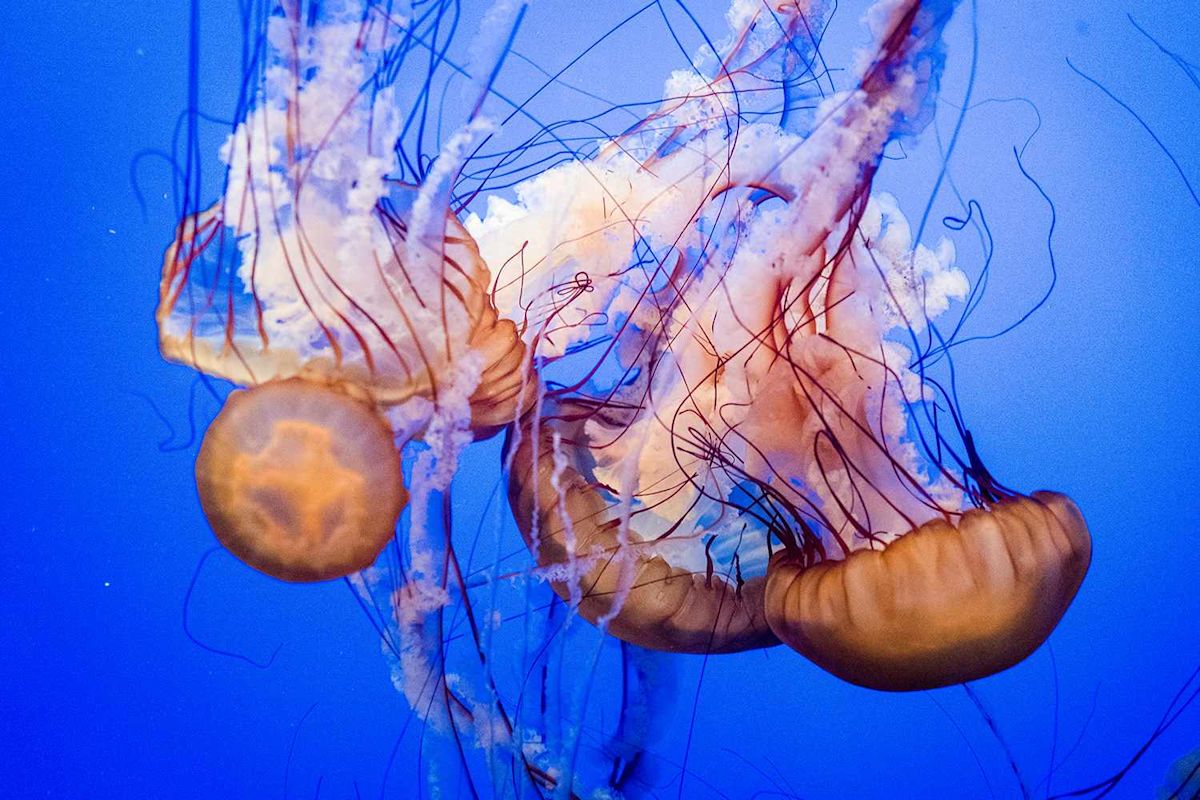
Vietnam’s Institute of Oceanography in Hai Phong identified the fire jellyfish as Chrysaora sp.; the animals typically measure 15–20 centimeters across, with tentacles two to three times the diameter of their bells.
2
The fire jellyfish is found across most of Vietnam’s coastal waters; observations near Tra Co in August 2019 recorded 30–50 stinging jellyfish per 1,000 cubic meters of surface water.
3
Quang Ninh’s Department of Agriculture and Environment asked coastal localities to strengthen public warnings and safety measures after sightings at Hon Gai beach in Ha Long ward and other nearby sea areas.
4
Morgan, a 21-year-old conservationist, said he records marine footage for social media to raise awareness of threats facing the seas and that this was the first lion’s mane jellyfish he had seen in Wales; the species is more commonly found in colder waters off Scotland.
5
For a detached lion’s mane tentacle, the advice reported by Dr Cathy Lucas is to flick it off with a stick and wash the affected skin in warm water, because the tentacles can continue stinging after they break away.
Stinging jellyfish are appearing in unusual numbers across two continents. Vietnam's authorities warned coastal towns after fire jellyfish swarmed waters near Ha Long, causing intense pain and blistering on contact. Meanwhile, a Welsh free diver filmed a lion's mane jellyfish off Pembrokeshire estimated to be as long as a bus — a rare sighting that signals the species may be shifting into cooler northern waters.
Fire Jellyfish Swarm Vietnamese Coastal Waters
Vietnam's Quang Ninh province issued an alert after fire jellyfish appeared near Ha Long. Institute of Oceanography researchers identified them as Chrysaora sp., small creatures measuring 15–20 centimeters across with tentacles two to three times that length. Stings cause intense pain, itching, redness, swelling, and blistering.
The fire jellyfish is common throughout Vietnam's coastal waters. A 2019 survey near Tra Co recorded 30–50 stinging jellyfish per 1,000 cubic meters of surface water. Local authorities ordered beach towns to post warnings and strengthen safety measures after sightings at Hon Gai beach and nearby areas.
Giant Lion's Mane Jellyfish Spotted in Welsh Waters
A 21-year-old Welsh free diver named Iestyn Morgan filmed an enormous lion's mane jellyfish off Pembrokeshire. He estimated the creature was roughly the length of a bus. Yahoo reported this was the first lion's mane jellyfish Morgan had ever seen in Wales, marking a rare occurrence in the region.
Lion's mane jellyfish typically live in colder waters off Scotland and further north. This species can grow tentacles longer than 30 meters. The sighting suggests these giant jellyfish may be moving into warmer Welsh waters as ocean conditions shift.
How to Stay Safe From Jellyfish Stings
Both species can deliver painful stings, but experts say they are generally not life-threatening. The key is avoiding contact. If stung, remove any tentacles carefully — they can continue stinging even after breaking away from the jellyfish's body.
For detached tentacles, use a stick to flick them off the skin rather than touching them with bare hands. Then wash the area with warm water. Authorities in both Vietnam and Wales urge swimmers to check beach warnings before entering the water.
Sentiment
Mostly NegativeNEGATIVENEUTRALPOSITIVE
Publishers
14
Articles
16
Reach
30
A
AnonymousAuthor


