Rising Food Safety Recalls
Food safety experts examine the sharp increase in FDA-regulated food recalls and illnesses.
Anonymous
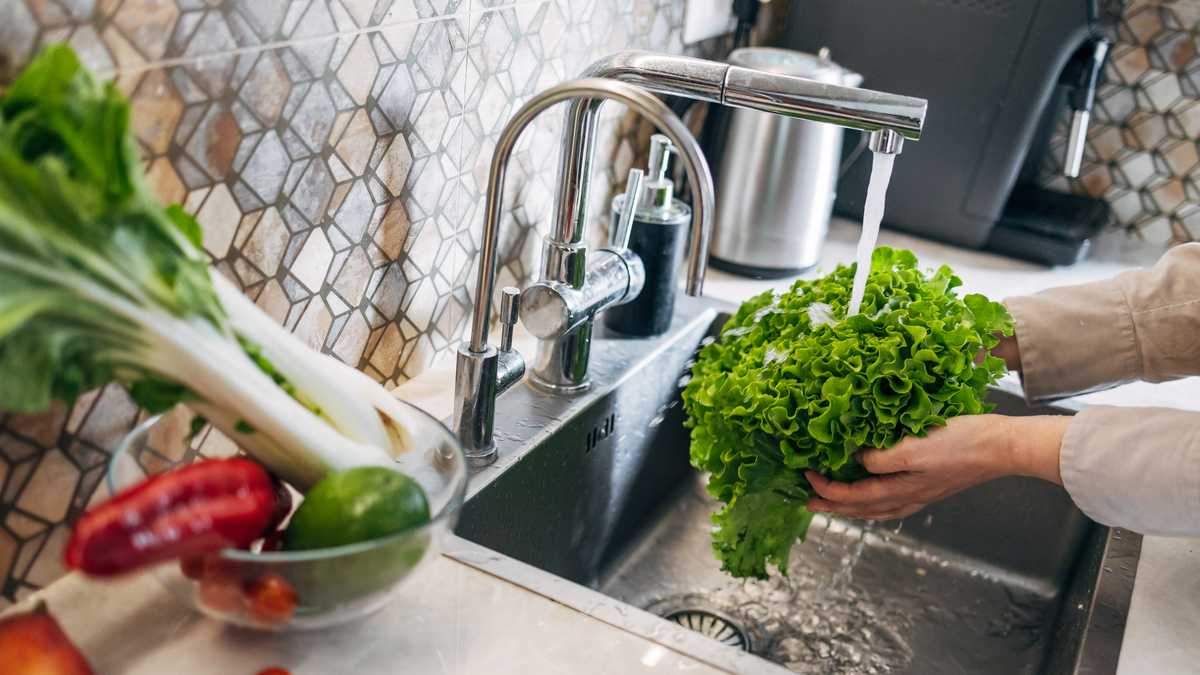
The summer of 2026 feels like a constant cycle of food recalls. KSBW reported that cyclosporiasis in lettuce and salmonella in jalapeños are hitting the news seemingly every day. Food safety experts say there really is an uptick — FDA-regulated food recalls jumped roughly 14% in 2025 compared to 2024, with even larger amounts of food affected overall.
What makes this year stand out is not just the number of recalls but their scale and severity. WCVB noted that recent FDA recalls have impacted massive quantities of food, meaning potential health issues could affect many consumers. Experts like Syers suggest the spike reflects bigger problems — hazards that could have been prevented with better oversight.
A Sharp Jump in Food Recalls This Year
The numbers tell a striking story. WLKY reported that FDA-regulated food recalls are up roughly 14% in 2025 versus 2024. But the real shock is the volume — the total amount of food affected increased even more dramatically than the count of recalls alone suggests.
Whether 2025 will ultimately exceed 2024's total recall count remains unclear. WGAL noted that experts are still assessing the final tally. What's certain is that each recall now involves larger quantities, exposing more consumers to potential foodborne illness.
Why Recalls Keep Growing — Scale and Severity Matter
Not all recalls are created equal. KCRA explained that the increase reflects bigger, more severe incidents involving serious hazards. A recall of 10,000 units matters far less than one affecting millions. This year's recalls have hit that higher severity threshold repeatedly.
Food safety expert Syers points out another factor: preventability. KOAT reported that many of this year's failures could and should have been stopped earlier with better oversight. This suggests the problem isn't just bad luck — it's broken systems that need fixing.
Technology and Inspections Alone Won't Solve This
Physical inspections and advanced technology do provide value, but they're not enough. Syers emphasized that efficient oversight is equally crucial. Right now, the system is catching problems after consumers already face risk — recall after recall after recall.
The real question is whether food safety agencies have the resources and authority to prevent outbreaks before lettuce gets infected or jalapeños hit shelves. Until that happens, consumers will keep seeing headlines about the next recall.
Sentiment
NeutralNEGATIVENEUTRALPOSITIVE
Publishers
6
Articles
5
Reach
6
A
AnonymousAuthor


