Youth Online Safety Funding
Meta to invest eighteen billion dollars over ten years for youth online safety.
Anonymous
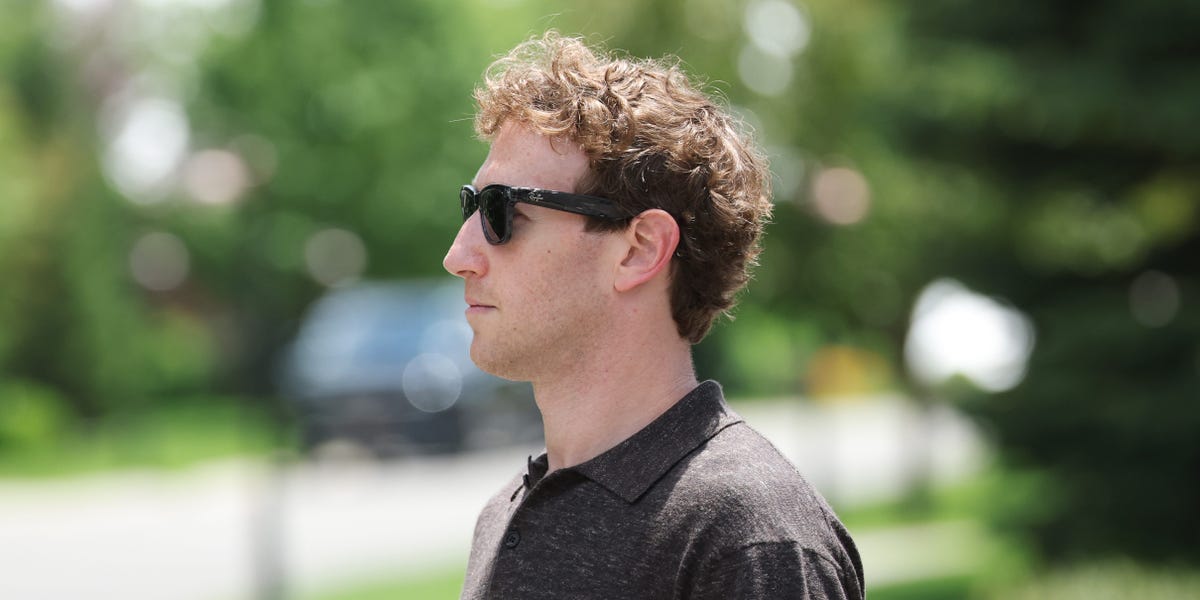
Meta has agreed to pay up to $18 billion over the next decade to settle a landmark lawsuit over teen social media addiction, according to TechCrunch. The settlement, brought by 29 U.S. states, accuses Meta of knowingly designing Facebook and Instagram in ways that harmed children and teenagers. The company will also implement new child-safety measures across both platforms.
The settlement figure varies slightly across reports, with some sources citing $17 billion and others $16.68 billion, but the core agreement remains the same: Meta must overhaul how its platforms operate to protect young users from addiction and harmful content.
States Unite Against Social Media Giants
A coalition of 47 states filed the original claims against Meta, with 29 states ultimately leading the settlement negotiations, according to Business Insider. The lawsuit alleged that Meta deliberately built addictive features into Instagram and Facebook to keep teens scrolling longer. States including California, Colorado, Kentucky, and New Jersey pushed hard for the settlement.
The case was presided over by U.S. District Judge Yvonne Gonzalez Rogers in California. The settlement ends the trial before CEO Mark Zuckerberg was expected to testify, marking a major victory for state attorneys general seeking to hold tech companies accountable.
New Safeguards Coming to Meta Platforms
Beyond the massive payment, Meta must add new child-safety measures to Facebook and Instagram, LA Times reported. The company will implement controls designed to reduce addictive features and protect younger users from harmful content. Details on specific changes remain limited as the settlement is finalized.
The settlement represents one of the largest tech industry payouts ever tied to child protection. It signals a shift in how regulators and state officials are approaching social media companies' responsibility for youth well-being and product design practices.
What the Huge Settlement Means
The $18 billion agreement sends a clear message: tech companies will face serious financial penalties for knowingly harming children. Other platforms may now face increased pressure to redesign their services and prove they protect young users from addiction-focused features.
This settlement could reshape how Meta, and the broader tech industry, approaches youth safety going forward. It shows that state coalitions can successfully challenge even the world's largest tech companies when they act in the public interest.
Sentiment
NeutralNEGATIVENEUTRALPOSITIVE
Publishers
13
Articles
8
Reach
13
A
AnonymousAuthor


