Citadel Stabilizes AI Market
Citadel Acquires Beleaguered AI Fund's Public Equities, Stabilizing AI Stock Market After Losses
Anonymous
Key Points
1
Situational Awareness’ public equity book included AI-related names such as Broadcom, Intel and CoreWeave, which were among the positions the firm unwound as it faced losses.
2
The transfer of the leveraged portion of the portfolio was facilitated by major prime brokers and banks, including Goldman Sachs, JPMorgan Chase, Bank of America and Citigroup.
3
Even after the sale, Situational Awareness is expected to retain a remaining portfolio valued at about $10 billion, comprising both public equities and private investments.
4
The July selloff erased roughly two-thirds of the fund’s value, illustrating the severity of the reversal in AI equities and the risks of aggressive leverage.
5
Citadel’s mass purchases helped catalyze a rebound in AI stocks, with market moves such as a record single-day 18% jump in South Korea’s Kospi noted in coverage of the period.
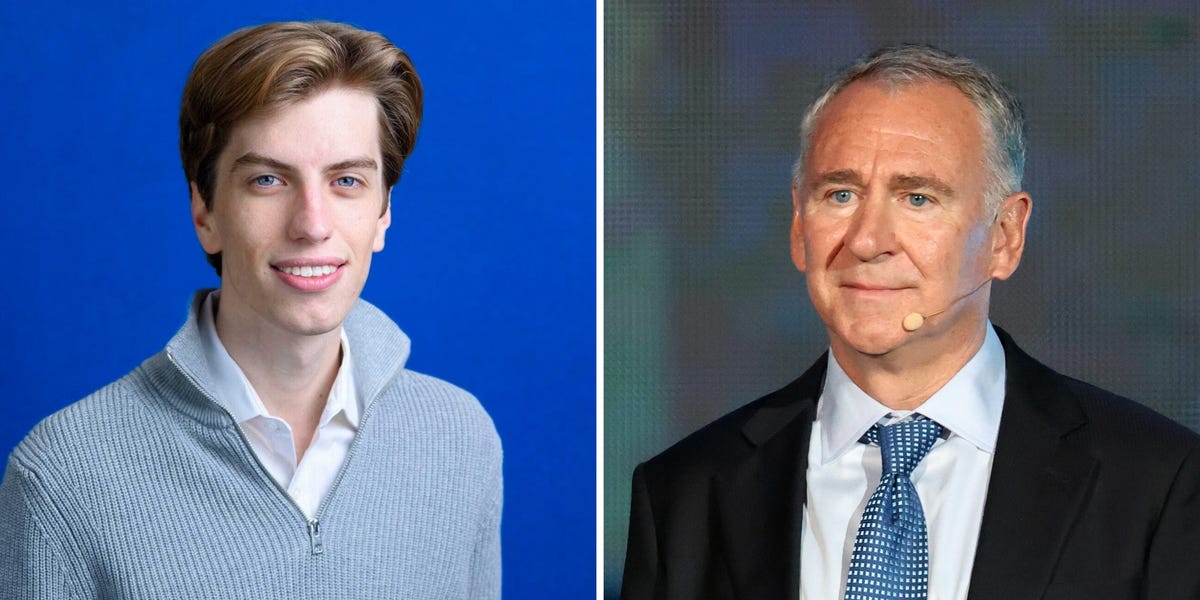
Ken Griffin's Citadel has acquired the majority of the public equity portfolio held by Situational Awareness, the AI-focused hedge fund run by former OpenAI researcher Leopold Aschenbrenner, according to Financial Times and Hedgeweek. The deal came after a brutal July selloff wiped out roughly two-thirds of the fund's value, erasing most of its eye-popping 439% gain from the first half of 2026.
The purchase was not just a lifeline for one hedge fund. Financial Times reported that Citadel's swoop helped stabilize global markets after a $3 trillion semiconductor rout threatened to spiral out of control. Citadel's mass buying helped spark a sharp rebound in AI stocks worldwide.
How a 439% Winner Collapsed in Weeks
Situational Awareness had one of the hottest starts in recent hedge fund history. The fund returned roughly 439% in the first half of 2026 by making big, leveraged bets on AI-related stocks. Leverage means borrowing money to amplify gains — but it also amplifies losses.
Then July hit. AI stocks sold off hard. Because the fund used heavy leverage, losses compounded fast. The July selloff erased about two-thirds of the fund's value, according to Business Insider. Positions in names like Broadcom, Intel, and CoreWeave were among those unwound as the losses mounted.
Citadel Steps In, Banks Facilitate the Transfer
Facing a collapsing public equity book, Situational Awareness agreed to sell the majority of its listed stock portfolio to Citadel. The transfer was arranged with help from major prime brokers and banks. Goldman Sachs, JPMorgan Chase, Bank of America, and Citigroup all played a role in facilitating the deal, per Hedgeweek.
The structure let Situational Awareness hand off its leveraged public positions to Citadel while keeping its private investments. Before the deal closed, the fund also explored selling private assets to investors including Sequoia and Greenoaks, and reportedly held talks touching on Anthropic, according to Financial Times. Those private asset sales did not ultimately drive the final transaction.
Citadel's Buying Spree Steadied the AI Selloff
Citadel's purchases sent a clear signal to the market: a major buyer was stepping in. That helped halt the broader AI stock rout. Business Insider noted three big market moves tied to the deal, including a record single-day 18% jump in South Korea's Kospi index during the period of market stabilization.
Financial Times credited Citadel's intervention with stemming what had become a $3 trillion wipeout in semiconductor stocks. The rebound showed how quickly sentiment can shift when a firm of Citadel's size and credibility starts buying aggressively into a falling market.
Situational Awareness Keeps $10 Billion and Moves On
Despite the chaos, Situational Awareness is not going away. Even after the sale, the fund is expected to retain a portfolio worth about $10 billion, according to KuCoin and Hedgeweek. That remaining stake includes both public equities and private investments.
The deal lets Aschenbrenner's fund shed the riskiest leveraged positions while staying in the game on AI. Citadel takes on the leverage exposure. Situational Awareness keeps selective private bets and a slimmer public book. For now, it is a reset — not an exit.
Sentiment
Mostly NegativeNEGATIVENEUTRALPOSITIVE
Publishers
16
Articles
13
Reach
29
Topics
A
AnonymousAuthor